50 years of data reveals true extent of climate change impacts on kelp forests

Originally published on UVic News

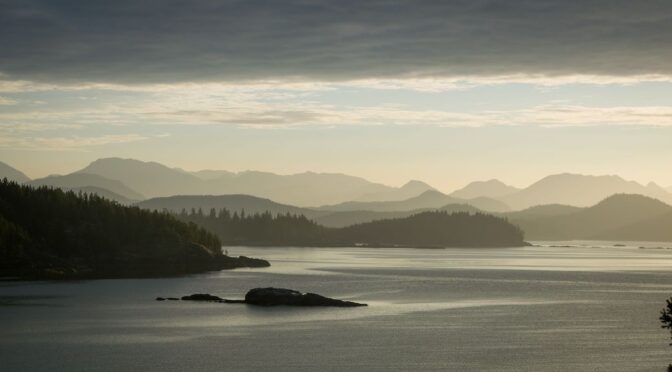
New research from the University of Victoria (UVic) has found that some kelp forests around Vancouver Island were disappearing far earlier than scientists previously thought, highlighting that climate change has been altering our ecosystems long before most people were aware anything was wrong.

“Most research has focused on recent kelp forest losses resulting from well-known marine heatwaves, like the record-breaking ‘Blob’ heatwave that hit our coast a decade ago,” says Brian Timmer, a UVic PhD student, National Geographic Explorer and lead author of the study, recently published in Ecological Applications.

“These recent changes to our kelp forests have been intense. But our research shows that some areas of the BC coast have been warming much faster than the global average, and associated kelp declines began decades ago. We’ve been underestimating the magnitude of ocean-warming impacts for years.” Chris Neufeld, co-author and senior aquatic ecology at LGL Limited

Continue reading 50 years of data reveals true extent of climate change impacts on kelp forests

BC is moving millions of frogs for construction—no one knows if they’re surviving

The study finds that frogs and salamanders are moved by the millions, along with smaller numbers of snakes and other reptiles, to clear the way for pipelines, culverts and other development.

By Lou Bosshart, UBC News

New research shows that more than five million amphibians and reptiles were relocated to make way for development in B.C. between 2019 and 2022, yet there is no requirement to determine whether they survived.

Moving millions, tracking few 

The practice, called mitigation translocation, has been standard in B.C. for over a decade: before breaking ground, proponents obtain a provincial permit and move amphibians and reptiles off-site. What they’re not required to do: determine if those animals survive.

Continue reading BC is moving millions of frogs for construction—no one knows if they’re surviving

Folk U: Life on Read and Sonora Islands (Part 2)

(Interview by Manda Aufochs Gillespie; written version by Roy L Hales)

In the conclusion of a two part story, Manda Aufochs Gillespie interviewed Renate Harvey and Renée Desautel from Sonora Island, as well as Sheila Hollanders from Read Island, about life on their islands. In Part 1 they talked about their daily lives, the seasons and community life. This segment deals with community support and future sustainability— the Surge Narrows Community Association and funding, land access/emergency preparedness, relationships with Homalco First Nation, youth and schooling challenges, and hopes for the next decade. 

Continue reading Folk U: Life on Read and Sonora Islands (Part 2)

Area C Director’s Report: news from the May Board meeting

Hello,
Far from complaints of ‘Junuary’, recent rain showers have been a blessing as we head into a predicted hot, dry summer. FireSmartBC.ca shares actions, resources & tips for reducing the risk of wildfire damaging your home… they say the best protection against wildfire damage is prevention. This short report shares news from the May 27 Board meeting & summer dates for ‘chat with the Director’.

Continue reading Area C Director’s Report: news from the May Board meeting

Majority of Albertans don’t want taxpayer dollars used for pipeline; say province’s economy too dependent on oil and gas

Despite the latest spike in oil prices and months-long push by oil and gas industry for the stripping back of environmental regulations, Albertans are concerned about overreliance on single sector.

By Janetta McKenzie , News release from the Pembina Institute

CALGARY — A majority (61 per cent) of Albertans say they do not want taxpayer money to be used for a new pipeline, with even more (67 per cent) saying they think the province’s economy is too dependent on the oil and gas sector. 

New polling commissioned by the Pembina Institute and conducted by Probe Research in late April and early May suggest Albertans’ views on energy policies are not aligned with priorities being brought forward by the Government of Alberta and oil and gas industry leaders. These have included a broad push for environmental deregulation, as well as a proposal for a new oil pipeline that has so far been funded exclusively with Alberta taxpayer dollars, and has still yet to attract a private sector proponent.

Continue reading Majority of Albertans don’t want taxpayer dollars used for pipeline; say province’s economy too dependent on oil and gas

Whats Current on Cortes and Beyond