


Around 60 representatives from social profits on Cortes, Quadra, and a number of the other islands recently gathered at Hollyhock. One of the breakout sessions was on climate adaption. Cortes Currents subsequently met with Max Thaysen, facilitator of that workshop, as well as Bruce Ellingsen, a participant.
“I was asked to host a conversation about climate adaptation, which we expanded into climate mitigation, stopping the pollution that’s causing the damage and adjusting our systems and life ways to be able to tolerate the pollution and the damage,” explained Thaysen.
CC: How does that apply to Cortes Island?
Max Thaysen: “Climate change is a phenomenon that affects every part of planet earth with all kinds of diverse impacts. We started by just hearing from everybody about what sorts of impacts they’ve already learned about, that we can expect more of on Cortes Island as well as in other parts of the world that affect our lives here.”

The situation is better in remote communities like Cortes Island, but Vancouver Island may still import 85% of the food it consumes – Photo by Tara Clark on Unsplash
Max: “We talked about wildfire risk, and food supplies. Most of the food that people eat on Cortes comes from off island, and the places where it’s grown are already impacted by climate change. We talked about how much warming we can adapt to, and whether we can expect the warming to stay within that range.”
CC: What about wells and the local aquifer?
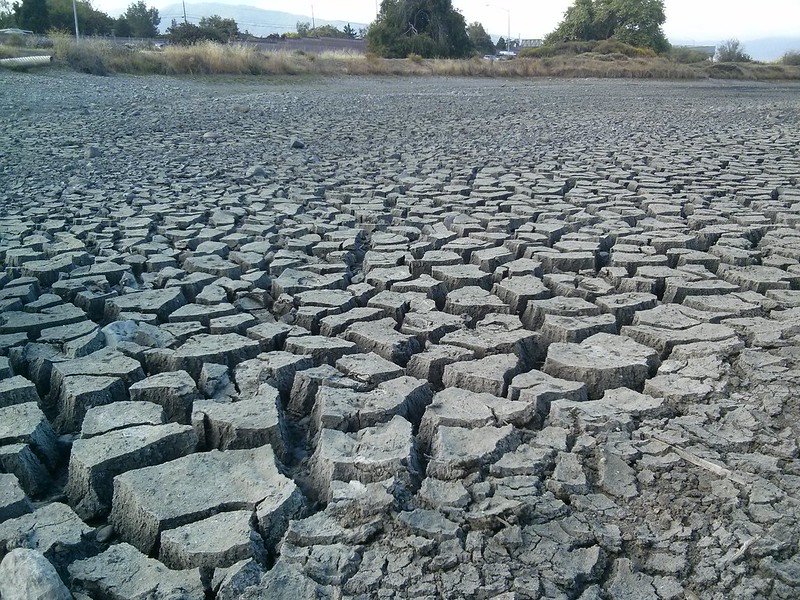
Max: “We did wonder about some gaps in our knowledge about the aquifers that supply water to Cortes Islanders. We had a couple of anecdotal stories about people’s wells already running dry this year. We talked about some options for responding to that, such as dealing with ditches to get the water that flows at other times of year back into the ground and into aquifers. Also building some storage options, either buying tanks or digging ponds on people’s land.”
“We’re just starting what is normally the drier part of the year.”
CC: Can you give me any more detail for any specific climate impacts? Anything from dryness to wells, to wildfires? According to the historical record, Cortes hasn’t had more than two wildfires larger than 10 hectors since 1950.
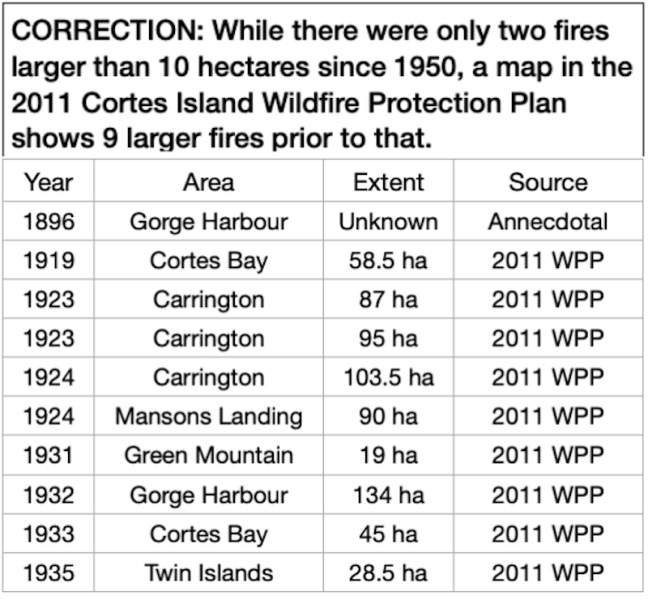
“I only ever heard of one, around the Gorge and over towards Whaletown in 1896, but that was purely anecdotal when I was a young person,” added Ellingsen.
He did not know how widespread it was, aside from the fact it was in Whaletown and did not spread beyond the east end of the Gorge.
Max: “We don’t live in a place that has typically had a high wildfire risk, but I think that’s changing and it’s something that we should pay more attention to. Lots of climate scientists or system scientists say that we’re living on a new planet now. The norms that we were used to, such as Cortes Island doesn’t burn very much or very often, is changing.”
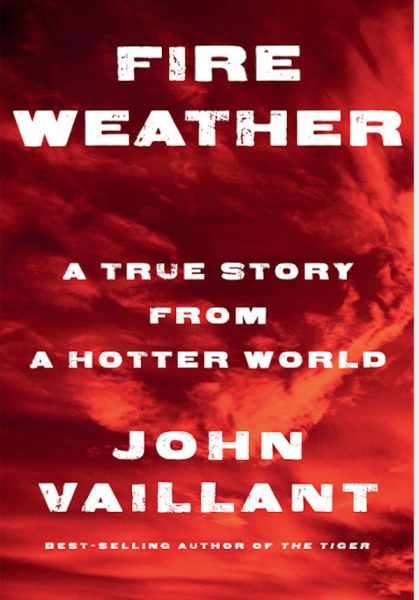
“I’m just reading ‘Fire Weather’ by John Vaillant. It’s a pretty wild story about how fire has changed in Canada. It’s a completely new animal. It creates its own conditions for burning. It dries the land out before it gets to it. It creates its own wind and starts its own fires. It’s important that we don’t just think about how things have worked in the past, but we also try to keep updated to the new situation that we find ourselves in.”
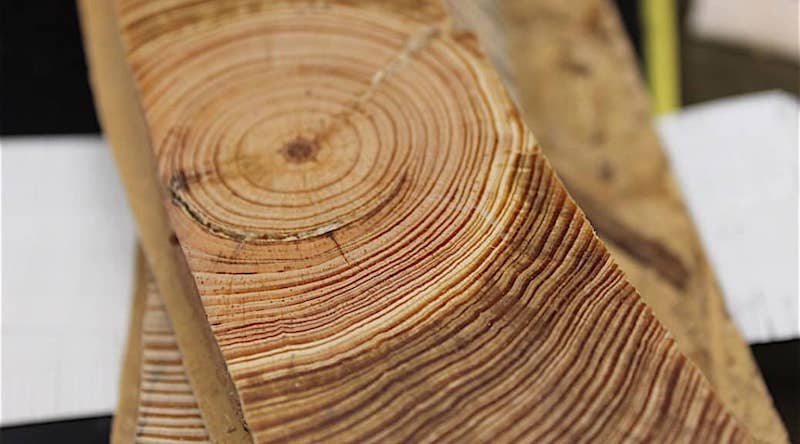
CC: A number of years ago I interviewed a scientist who was talking about mega droughts and tree ring analysis. She was saying that we’re due for a mega-drought and when you add in climate change it could be horrendous.
Max: “It’s very useful to keep in mind that we do have occasionally and infrequently some extremes of climate already around the world. When we think about climate impact, maybe we’d be wise to not just think about what is the normal sort of drought level that we experience and then add climate change onto that. We should also consider the fact that we do occasionally have mega-droughts that happened in the old climate system, and then now we have the new climate system on top of that.”
Max: “This year the climate community is all abuzz because El Niño is coming toward the latter half of 2023 and into 2024. That’s a regular natural oscillating phenomenon that moves heat around the planet, and so that’s all fine and normal. But when you have a really strong El Niño year, and it’s looking like this is going to be a really strong El Niño, and you add to that the amount of warming that we’ve already had, and then you maybe add to that some cleaning of air pollution that previously had been reflecting some of the heat from the sun back out into space dampening the effects of global warming that we’ve been seeing, then you have these confluences of natural and human caused global warming that creates some really extreme scenarios.”

Max: “Bad things don’t usually happen because one thing went wrong, but because three or four things went wrong at the same time. Our systems were developed for only one of them, so it’s important to think about those convergences. I think that’s really useful.”
Bruce: “We’re dealing with a whole different ball game now with the increased temperatures, the droughts and so on, that will result in probably even more radical effects happening or impacts.”
Max: “There’s a lot of green things on this earth that do a pretty good job of pulling carbon out of the atmosphere and that will help as well, but it’s not enough. We have to stop the pollution.”
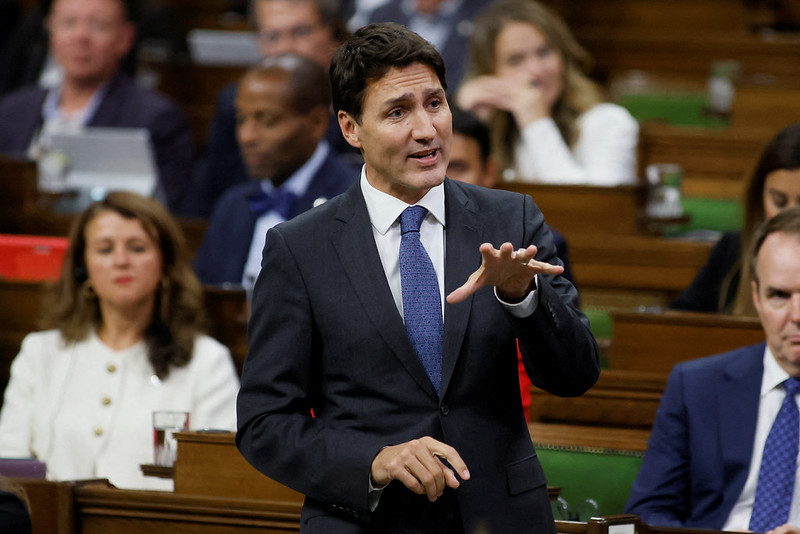
Max: “I feel like we’re at a bit of a tipping point in terms of the movement to demand more action. We’ve seen governments talk as though this is a serious issue and they’ve begun mobilizing some resources towards some things, but are still talking out of both sides of their mouths in a sense. They are supporting the fossil fuel industry while also making some strong commitments toward reducing pollution, supporting workers transitioning to other industries and providing rebates for people to insulate their homes. It’s not enough yet, but the momentum is starting to move that way. We just need the political will, which comes from people power.”
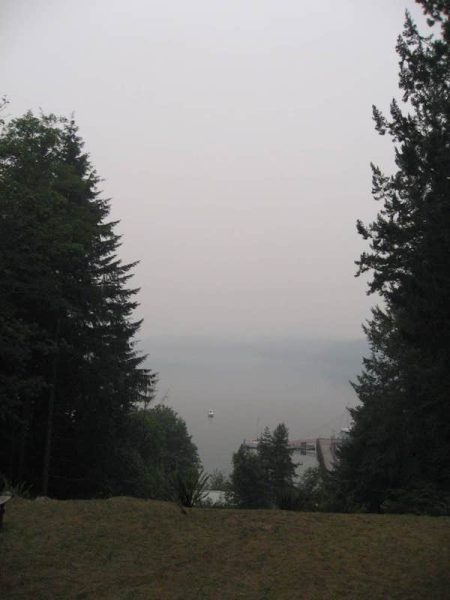
Top image credit: Photo taken at Qualicum Beach. We saw smoke filled skies from Victoria to Cortes Island on July 5, 2015. – Roy L Hales photo
Sign-up for Cortes Currents email-out:
To receive an emailed catalogue of articles on Cortes Currents, send a (blank) email to subscribe to your desired frequency:
- Daily, (articles posted during the last 24 hours) – [email protected]
- Weekly Digest cortescurrents – [email protected]