
Tag Archives: Australia

Indigenous Peoples are more protective of forests and biodiversity, study finds

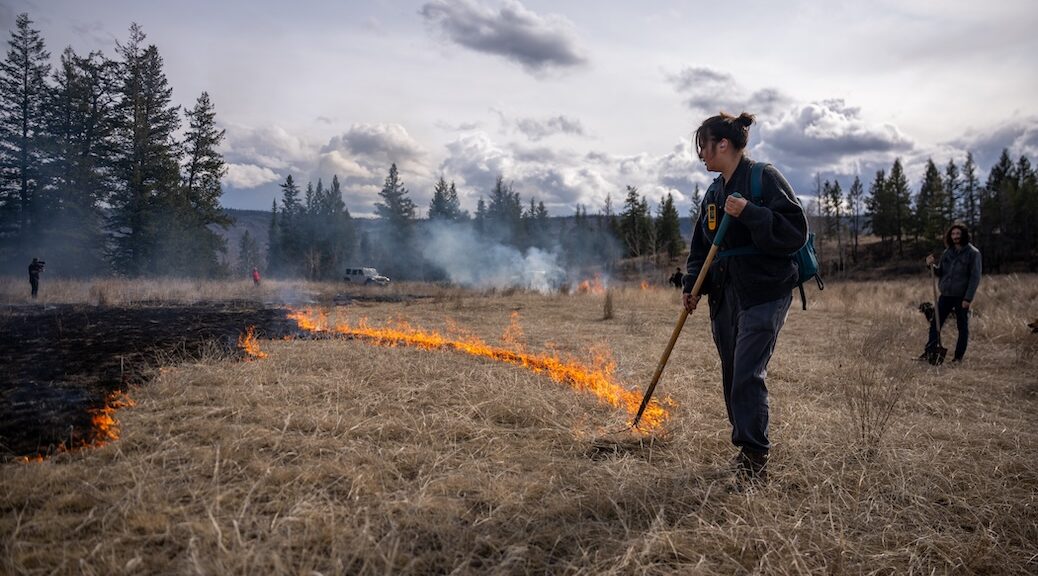
A new UBC led study of 111 peer-reviewed papers found that forests and biodiversity are better, or at least equally, protected if they are managed by Indigenous peoples. Between 2005 and 2012, vegetation loss in native areas of the Brazilian Amazon was 17 times lower. In Australia, 60% of the nation’s 1,574 threatened species were found on Indigenous lands. In the United States, Indigenous lands harbour more mature trees and higher tree volume. Close to two-thirds of the articles noted that Indigenous peoples were themselves threatened, and some offered suggestions to either provide resources or strengthen their tenure over the land. While little of the material dealt with British Columbia, lead author William Nikolakis has worked with First Nations in the Interior and was prepared to comment.   

Continue reading Indigenous Peoples are more protective of forests and biodiversity, study finds

Introducing Anna Kindy, MLA For North Island 

It has been three weeks since Anna Kindy was sworn in as the Conservative Party MLA for North Island riding.

We actually had a long phone conversation shortly after her election, but this has been a very busy time for Ms Kindy and so we agreed to do the interview on December 3, yesterday. 

As I didn’t get an opportunity to interview her during the election, it’s probably best to start at the beginning. 

“As an MLA,  I represent everyone in this constituency. It doesn’t matter if you voted for me or not, I represent you and I’ll do it to the best of my capacity.  I have to look at what the issues are in my riding and how to address them,” she said.  

Continue reading Introducing Anna Kindy, MLA For North Island 

On Climate Change, Peak Oil, Overshoot, and the Importance of Relationships: An Interview with Jon Cooksey

Last week, I sat down on zoom with television showrunner and independent film maker Jon Cooksey to talk about his 2010 film, “How to Boil a Frog”. The film, which also features Rex Weyler, is being screened at Manson’s Hall on Tuesday, July 9, at 7PM. Jon and Rex will be there to participate in discussion after the film.

In the interview, we talked about the events that led to his interest in climate change and ecological overshoot, his long friendship with Rex, and how his thoughts about impacting the future have evolved since making this film.

Continue reading On Climate Change, Peak Oil, Overshoot, and the Importance of Relationships: An Interview with Jon Cooksey

Delores Broten: The problem with Facebook

Google and Facebook took in $9.7 billion in advertising revenue during 2020, while the revenues of more traditional news outlets – who produce much of the actual news being posted on Facebook and Instagram – are failing. In response to Bill C-18, which requires them to pay Canadian media outlets a fraction of their advertisement revenues, the dynamic duo will no longer let Canadian news outlets post. 

This was brought home to Cortes Currents on Wednesday, August 2, when Facebook served notice that as a news outlet, Cortes Currents Facebook posts will no longer be viewable inside Canada. 

As only about 10% of my web traffic actually comes through Facebook, my reactions were mixed, but the strongest was curiosity. 

So I reached out to some local media outlets to find out:

  1. What is their opinion of the situation?
  2. How does being cut off from Facebook affect their publication? 

The first to respond was a well known former Cortes resident, Delores Broten of the Watershed Sentinel.  

Continue reading Delores Broten: The problem with Facebook

The last 33 caribou: fighting for the survival of a Wet’suwet’en herd

By Matt Simmons, The Narwhal, Local Journalism Initiative reporter

There’s a serene pocket of mountainous habitat in northwest B.C. where 33 caribou live, drinking from glacial-fed creeks and grazing on alpine lichens. Though it’s peaceful, they have nowhere to go. They’re surrounded.

They’ve been cut off from where they gave birth to their young and the tracts of land that supported them through the long northern winters by highways, hydroelectric dams, rail lines, clearcuts and farmland. The herd’s range has been fragmented for more than a century and faces imminent threats.

Continue reading The last 33 caribou: fighting for the survival of a Wet’suwet’en herd