Tag Archives: BC emissions

Humanity consuming more than ever; Increased emissions negate Renewable growth

Global energy demand continues to rise faster than the deployment of renewables, and emissions reached new heights in 2025. The world is consuming more energy than it did in 1990, the baseline from which most nations measure progress toward their energy and climate targets. While only 47% of our energy is now derived from fossil fuels, the world is using more coal, gas and oil than ever before. 

Continue reading Humanity consuming more than ever; Increased emissions negate Renewable growth

BC made small gains on emissions — but the province is scrapping climate measures

Canada’s National Observer, Local Journalism Initiative Reporter

British Columbia’s modest climate gains are at risk after a wave of policy clawbacks this past year. 

According to the province’s recent accountability report — which reflects BC’s climate data on a two-year lag — carbon pollution declined by four per cent in 2023, meaning emissions are now 9 per cent below the 2007 baseline. 

The province has also nearly halved methane emissions in the oil and gas sector from 2014, meeting this year’s target two years early. 

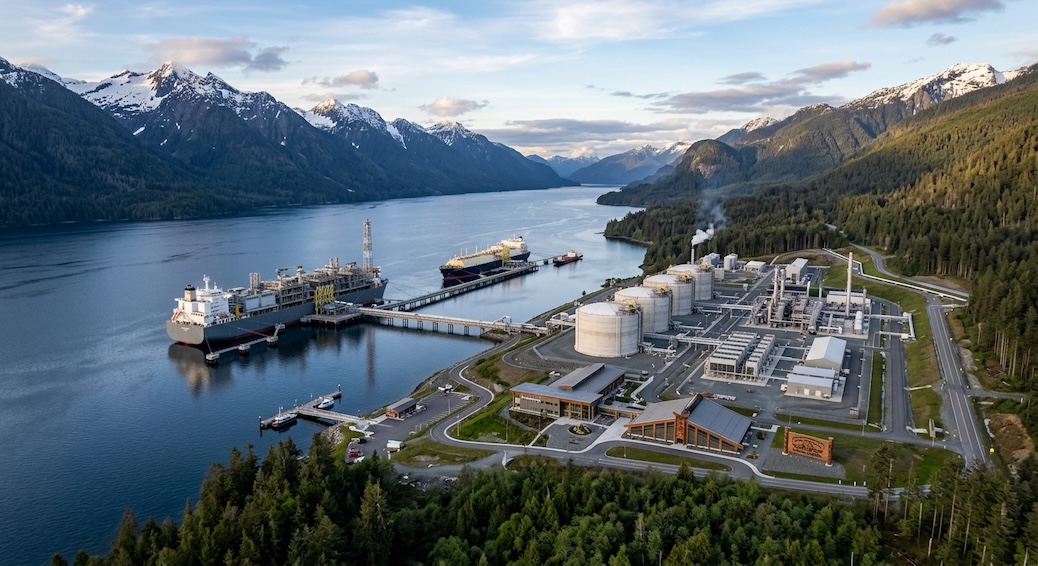
However, many climate measures that are just beginning to bear fruit, or will soon — such as the consumer carbon tax, electric vehicle rebates and sales mandates and net-zero requirements for liquified natural gas (LNG) projects — have been pruned back or chopped entirely in 2025. What’s more, the province scrapped the promised oil and gas sector emissions cap and never delivered a clean transportation plan although fossil fuel vehicles continue to account for 41 per cent of the BC’s carbon pollution. 

Continue reading BC made small gains on emissions — but the province is scrapping climate measures

Are Oil and Gas emissions holding Canada back from reaching its climate goals?

On March 21, Environment and Climate Change Canada issued a press release stating that in 2023 Canada’s greenhouse gas emissions dropped to their lowest level in 27 years (excluding the pandemic years). The exception in this otherwise positive picture was the oil and gas sector, where emissions continue to rise. However there is good news within that sector as well, ‘fugitive greenhouse gas emissions from oil and natural gas have decreased by 33% between 2013–2023, driven in part by Canada’s 2020 oil and gas methane regulations, which have reduced methane venting and leaks.’  

“The two main messages from the National Inventory report last week, which I feel are really important, is that climate policy works. Over the last 10 years, Canada’s greenhouse gas emissions have gone down. Our methane emissions have gone down. Our electricity has become less emissions intensive, and all of that has happened while our economy has grown. This is a significant point to make. And this is something that environmental groups, activists, researchers, community leaders, all of them have been saying for decades,” responded Aly Hyder Ali, from Environmental Defence. 

“The other aspect of the report was that the oil and gas industry is holding us back. The oil and gas industry has failed to do its part when it comes to emissions reductions and if it was able to or willing to do that, Canadians would be in a much better place.”

Continue reading Are Oil and Gas emissions holding Canada back from reaching its climate goals?

B.C.’s new clean-energy czar is a climate ‘wild card’

Canada’s National Observer, Local Journalism Initiative Reporter

Adrian Dix is B.C.’s new climate and clean energy czar, but it’s not clear whether his appointment signals a new commitment by the NDP government to tackle the province’s growing oil and gas emissions.

Dix, the former health minister who once ran for premier himself, was appointed as the Minister of Energy and Climate Solutions during Premier David Eby’s cabinet shuffle.

With the appointment, Eby also combined responsibility for energy and climate accountability under one roof.

Continue reading B.C.’s new clean-energy czar is a climate ‘wild card’

Unconstrained LNG exports will cost consumers and the climate: U.S. Department of Energy

By Natasha Bulowski, Canada’s National Observer, Local Journalism Initiative Reporter — With files from John Woodside

If the U.S. allows unconstrained growth of liquefied natural gas (LNG) exports, there will be significant costs to both consumers and the climate, according to a new government report.

Continue reading Unconstrained LNG exports will cost consumers and the climate: U.S. Department of Energy