Tag Archives: US

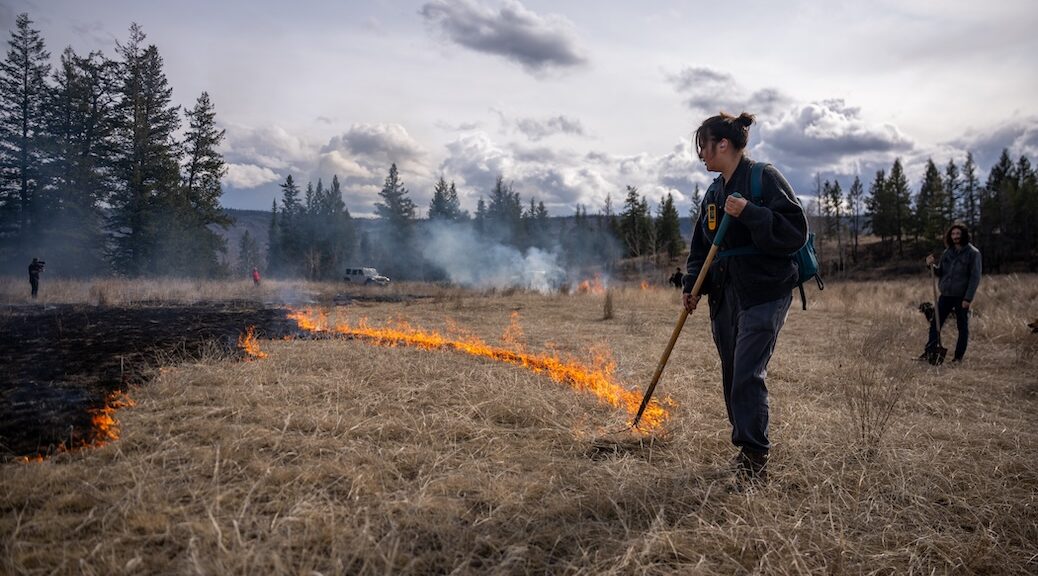
Folk U: Chief Kevin Peacey on Politics, Projects & the Past (Part 2)


Interview by Manda Aufochs Gillespie; written version by Roy L Hales

This is the second half of a highly abridged text version of Manda Aufochs Gillespie’s interview with Chief Kevin Peacey of the Klahoose First Nation.

In Part 2 Kevin talks about QXMC businesses, the new restaurant in Gorge Harbour, the Squirrel Cove project, Treaty Negotiations, Land & Rights, Klahoose History, his own life and Future Challenges   

Manda: “I want to talk a little bit about your development arm, Qathen Xwegus Management Corporation (QXMC). What is its relationship to Klahoose?”

Kevin: “The corporation is Klahoose. We just keep it hands-off so that we’re not bugging them with, ‘We need this, we need that.’ We let the corporation do what they need to do.”

Continue reading Folk U: Chief Kevin Peacey on Politics, Projects & the Past (Part 2)
UN Says Nations Have a Legal Obligation to Address Climate Change; Trump Tweets Otherwise

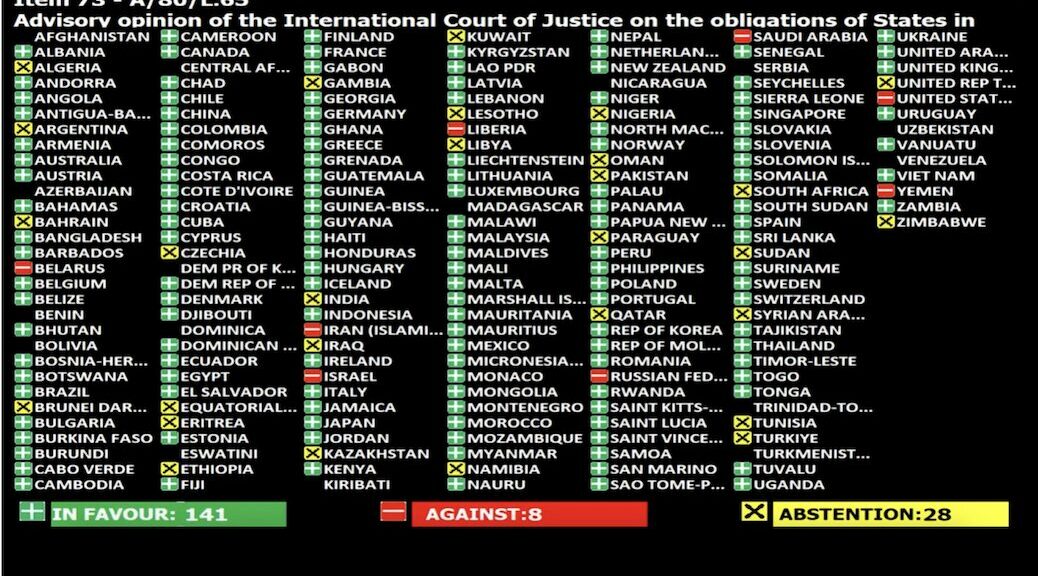
The UN backed a world court opinion stating that countries have a legal obligation to address climate change. Canada, China and every EU country except Czechia were among the 141 nations that supported the resolution. The United States, Russia, Saudi Arabia and Iran were among the eight that voted in opposition. Twenty-eight countries abstained. 

UN Secretary-General António Guterres tweeted, “I welcome the adoption of the General Assembly resolution on the @CIJ_ICJ’s (International World Court) advisory opinion on climate change – a powerful affirmation of international law, climate justice, science & the responsibility of states to protect people from the escalating climate crisis. Those least responsible for climate change are paying the highest price. That injustice must end.”

Continue reading UN Says Nations Have a Legal Obligation to Address Climate Change; Trump Tweets Otherwise

Indigenous Peoples are more protective of forests and biodiversity, study finds

A new UBC led study of 111 peer-reviewed papers found that forests and biodiversity are better, or at least equally, protected if they are managed by Indigenous peoples. Between 2005 and 2012, vegetation loss in native areas of the Brazilian Amazon was 17 times lower. In Australia, 60% of the nation’s 1,574 threatened species were found on Indigenous lands. In the United States, Indigenous lands harbour more mature trees and higher tree volume. Close to two-thirds of the articles noted that Indigenous peoples were themselves threatened, and some offered suggestions to either provide resources or strengthen their tenure over the land. While little of the material dealt with British Columbia, lead author William Nikolakis has worked with First Nations in the Interior and was prepared to comment.   

Continue reading Indigenous Peoples are more protective of forests and biodiversity, study finds

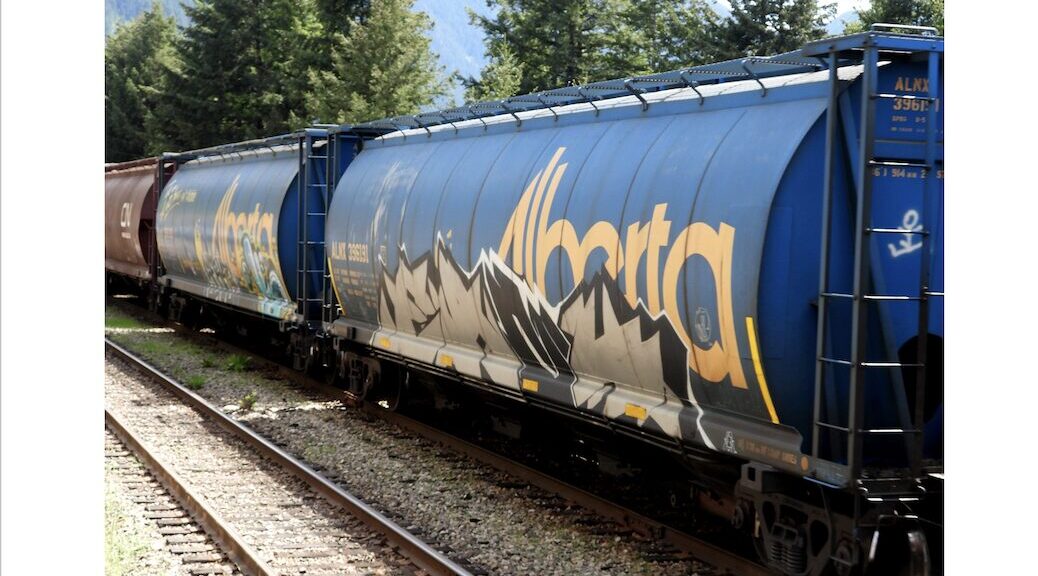
MLAs pitch strong relationships, better infrastructure and ‘awfully blurred’ borders to secure Alberta’s economic future

By George Lee, The Macleod Gazette, Local Journalism Initiative Reporter

Alberta should leverage trade, diversify industry and improve corridors to entrench the landlocked province as a pivotal economic player, the legislature heard this week.

Shane Getson, the UCP’s parliamentary secretary for economic corridor development, envisioned a near-future Alberta with strengthened ties — physical and otherwise — in all directions.

A self-described expansionist, the member for Lac Ste. Anne-Parkland painted a picture of Alberta with “awfully blurred” borders with the territories to its north.

Justin Wright, meanwhile, talked up an existing economic history with the American Midwest, saying Alberta has taken a “proactive approach to strengthening our trade relationship with the U.S.”

Continue reading MLAs pitch strong relationships, better infrastructure and ‘awfully blurred’ borders to secure Alberta’s economic future

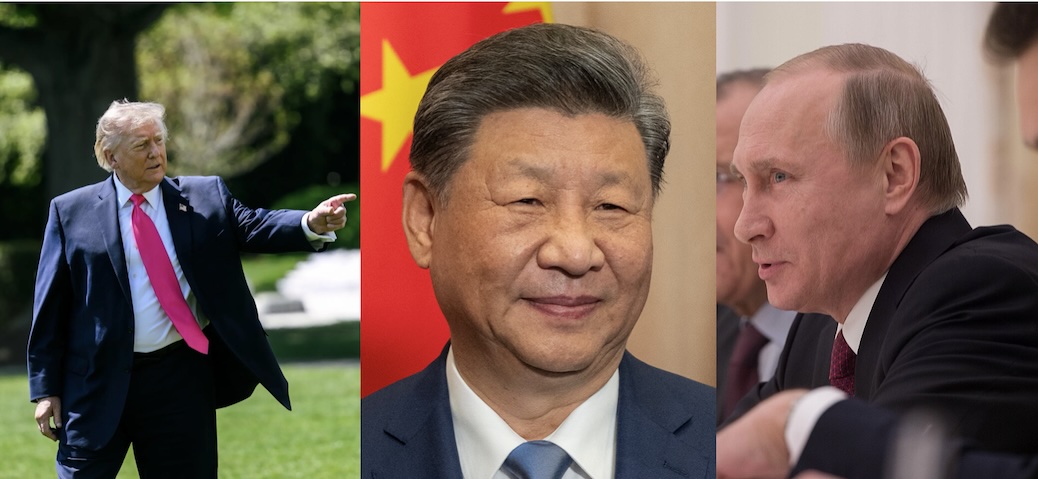
The Quadra Project – The Dark Triad – Part 1

As the course of history attests, civilizations tend to rise and then fall. This process poses two fundamental questions. What causes people
to coalesce into complex societies? And what causes them to fracture
into disorganized populations? Perhaps the most cogent and credible of current explanations to both their formation and collapse is in Goliath’s Curse: The History and Future of Societal Collapse, a remarkably insightful 2025 book by Dr. Luke Kemp, a scholar from the Centre for Studies of Existential Risk at the Cambridge University.

Continue reading The Quadra Project – The Dark Triad – Part 1