


UBC researchers found a new virus in farmed Pacific Oysters that perished during a mass die-off in 2020.
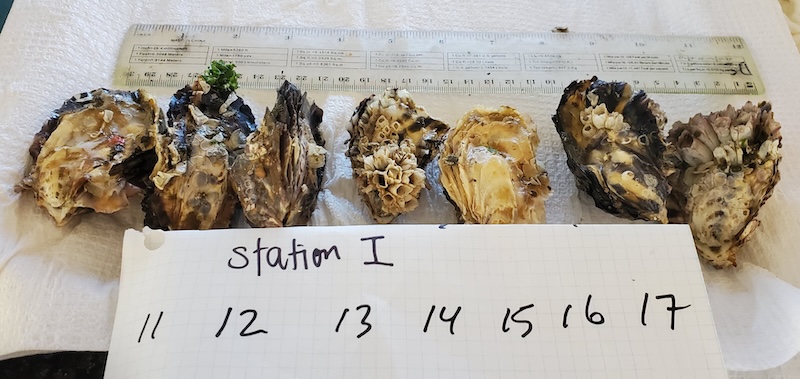
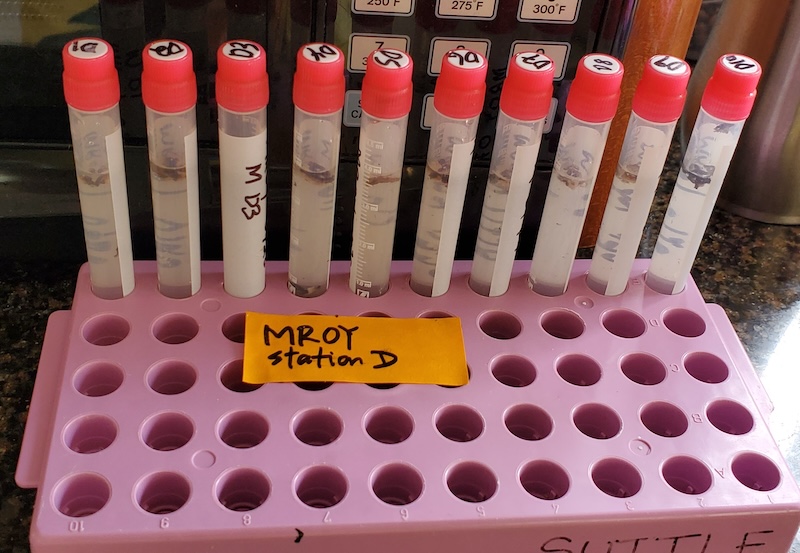
During the die-off, researchers collected 33 dead oysters as well as 26 wild oysters from neighbouring sites. Pacific Oyster Nidovirus 1 (PONV1) was only found in 20 of the dead or dying farmed oysters.
Dr Kevin Xu Zhong, a research associate in the UBC department of Earth, Ocean and Atmospheric Sciences (EOAS), explained this does not mean the virus was the cause of death.
“We found this new virus. There is no indication it is causing the mortality mentioned in the database, the study, or the reporting.”
Cortes Currents: What does the virus do to oysters?
Dr Zhong: “We don’t know how this virus is working, or how it causes disease. What we can know right now is that we found this virus associated with the mass mortality for the oysters in the farm. That’s what we know. There are many unknowns; many questions to address in the future.”
Dr Zhong said there have recently been mass die-offs of Pacific Oysters in BC and other parts of the world, but the cause is often unknown.
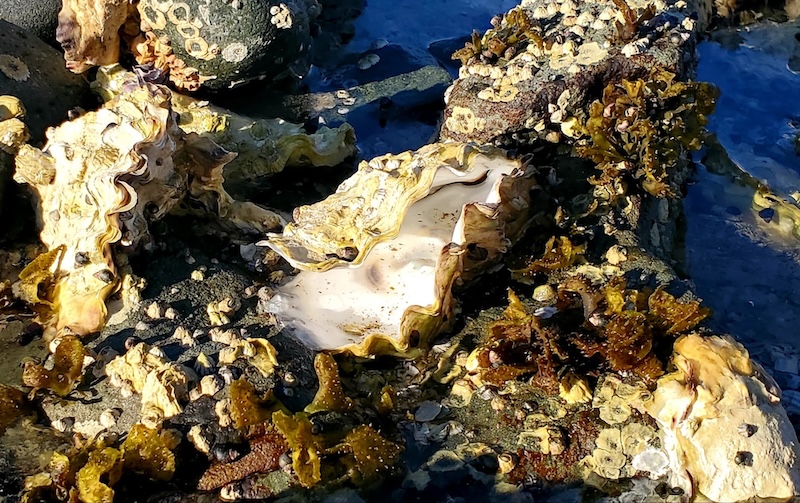
Pacific Oysters are the primary shellfish species grown in B.C. and brought in revenues of $16 million in 2023.
Cortes Currents: Where have you found Pacific Oyster Nidovirus in BC?
Dr Zhong: “Fanny Bay and Deep Bay.”
Cortes Currents: I guess it’s too early to ask whether Pacific Oyster Nidovirus is spreading?
Dr Zhong: “Yes, we only analyzed the samples from two farms. As you said, it is very early to say. We found this virus in the BC area, but based on the genetic data available in the database, it can also be found in France and in China. You can trace it back about one decade.”
Cortes Currents: Have there been any indications that it would be harmful to human consumers of oysters?
Dr Zhong: “Oh, no, no, no. Don’t worry about that. This virus can only infect the Pacific Oyster and never humans or other animal species. There’s no worry about that because viral infection is mostly host specific.”
Cortes Currents: Can you definitively say that it doesn’t cause any harm to humans?
Dr Zhong: “We also eat oysters, raw too. I don’t think this will be a problem.”
Links of Interest:
- Evolutionarily divergent nidovirus with an exceptionally large genome identified in Pacific oysters undergoing mass mortality – Kevin Xu Zhong et al, Proceedings of the National Academy of Sciences
- New mega RNA virus may hold the key to mass oyster die-offs – UBC News
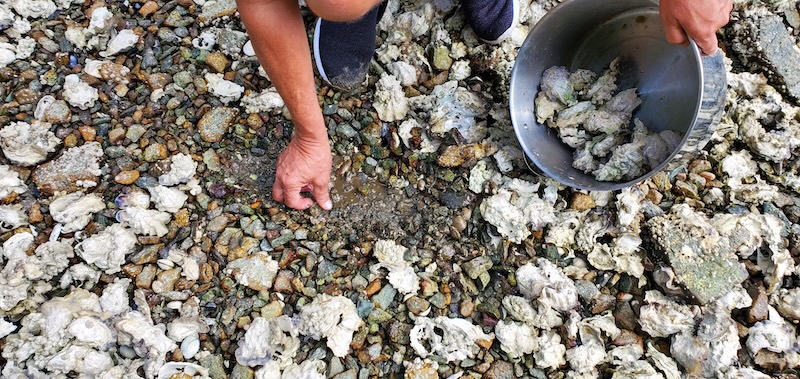
Top image credit: Investigating the oyster virus. – Photo by Amy M. Chan
This program opens and closes with a clip from ‘The Beat of Nature’ – Music by folk_acoustic from Pixabay
Sign-up for Cortes Currents email-out:
To receive an emailed catalogue of articles on Cortes Currents, send a (blank) email to subscribe to your desired frequency:
- Daily, (articles posted during the last 24 hours) – [email protected]
- Weekly Digest cortescurrents – [email protected]