All posts by Rochelle Baker

Rochelle Baker is a staff reporter with Canada’s National Observer, thanks thanks to a grant from the Local Journalism Initiative of the Government of Canada. She previously worked as a newspaper reporter and photographer in BC’s Lower Mainland for over 7 years.

Threat of oxygen-poor ‘dead zones’ surfacing on BC central coast

Canada’s National Observer, Local Journalism Initiative Reporter

The spectre of low-oxygen “dead zones” is surfacing along BC’s Central Coast, threatening the region’s rich marine ecosystems and fisheries. 

Widespread hypoxia — when oxygen levels in the ocean fall below levels required by marine life — is being detected in the deep waters of Queen Charlotte Sound for the first time, said Sam Stevens, an oceanographer at the Hakai Institute and lead author of a new study

Continue reading Threat of oxygen-poor ‘dead zones’ surfacing on BC central coast

BC’s Cedar LNG subsidy courts financial liability

Canada’s National Observer, Local Journalism Initiative Reporter

The BC government’s $200-million subsidy to electrify the Cedar LNG project is drawing sharp criticism as a fossil fuel handout and an unwise investment that also opens up potential legal risks after a new International Court of Justice ruling.

Premier David Eby and Energy Minister Adrian Dix said the public funding will go to the electrification of the Cedar LNG terminal, a floating liquefied natural gas facility co-owned by the Haisla Nation and Pembina Pipeline Corporation near Kitimat that is expected to come online in 2028. 

Continue reading BC’s Cedar LNG subsidy courts financial liability

Ottawa stalls while cruise ships dump toxic wastewater along West Coast

Canada’s National Observer, Local Journalism Initiative Reporter

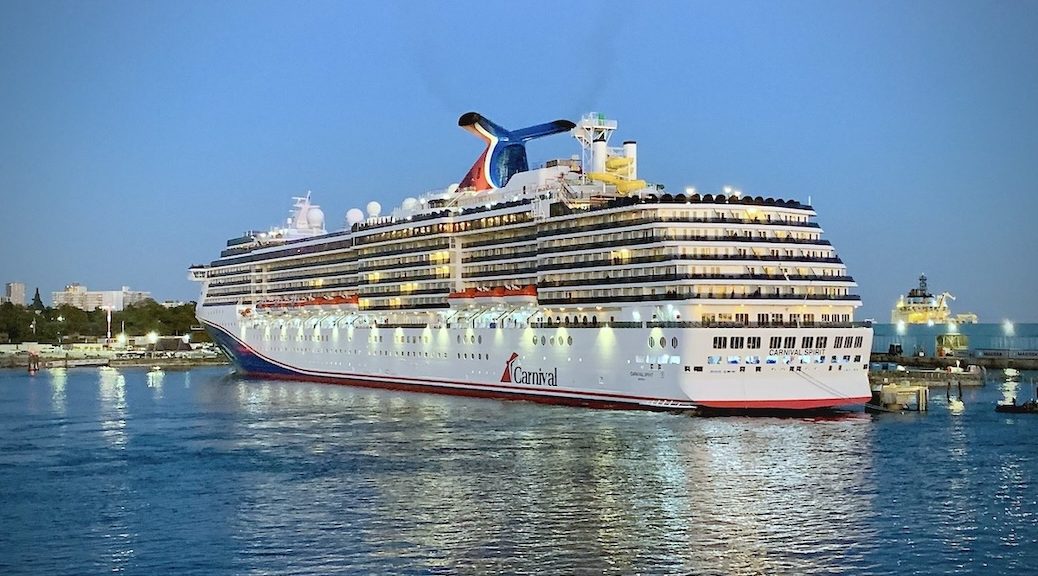
Cruise vessels are leaving billions of litres of wastewater in their wake despite longtime promises of action by the federal government.

Most water pollution discharged by ships showcasing the beauty of the coast is pumped out by scrubbers — an exhaust-cleaning system that uses seawater to “wash” sulphur dioxide, toxic metals and carcinogens from ship fumes, only to flush them into the ocean. 

The devices are widely used by the cruise industry and act as a loophole for shipping companies to continue burning cheaper, dirty, heavy fuel oils while still complying with the International Maritime Organization’s (IMO) 2020 sulfur emissions standards, said Anna Barford, oceans campaigner for Stand.earth Canada.

The federal government, which promised to examine the issue of scrubbers in marine conservation areas in early 2023, held a general two-month public consultation on the exhaust systems early this year. The Transport Canada public input process didn’t include details about what, if any, scrubber restrictions are being considered, nor any timelines for action. 

Continue reading Ottawa stalls while cruise ships dump toxic wastewater along West Coast

BC’s sunflower sea stars are now endangered, but rays of hope remain

Canada’s National Observer, Local Journalism Initiative Reporter

Sunflower sea stars clinging to life in BC’s cold-water fjords are officially on the edge of extinction, a scientific advisory panel is warning.

A once-abundant predator of the sea floor along the Pacific coast, stretching from Alaska to Baja California, Pycnopodia helianthoides, has been assessed as endangered by the federal Committee on the Status of Endangered Wildlife in Canada (COSEWIC).

While disheartening, the decision isn’t unexpected and could offer a margin of hope for the survival of the massive, vibrant sea star, said Alyssa Gehman, marine ecologist with the Hakai Institute. 

Continue reading BC’s sunflower sea stars are now endangered, but rays of hope remain

Canada’s northern wildfires projected to slow global warming — at a high cost

Canada’s National Observer, Local Journalism Initiative Reporter

The climate-driven wildfires currently razing Canada’s northern forests and darkening skies across the continent may have an unexpected effect: according to a new study, the fires may reduce global warming and sea ice melt in the Arctic.

The rising impact of blazes in Canada and Siberia’s boreal regions over the next 35 years will slow warming by 12 per cent globally and 38 per cent in the Arctic, according to recent climate modelling research at the University of Washington (UW). But the study’s authors warn that while the study may sound positive, it’s just one part of a trend that overall spells major trouble for northern ecosystems. 

Continue reading Canada’s northern wildfires projected to slow global warming — at a high cost