Tag Archives: Campbell River and District Coalition to End Homelessness

Solutions for the ‘Unsheltered’ and ‘at Risk’ crisis on Cortes and Quadra Islands

According to Linda Bernicki, Director of Rural Health and Wellness at the  Rural Development Network, “Housing is a human right and just not housing, safe and stable housing is a human right. So if I’m in housing that doesn’t have any heat or running water, then I’m denied a basic human right, and it takes all levels of government and all levels of society to work together to start to develop responses that is going to limit and homelessness.” 

Continue reading Solutions for the ‘Unsheltered’ and ‘at Risk’ crisis on Cortes and Quadra Islands

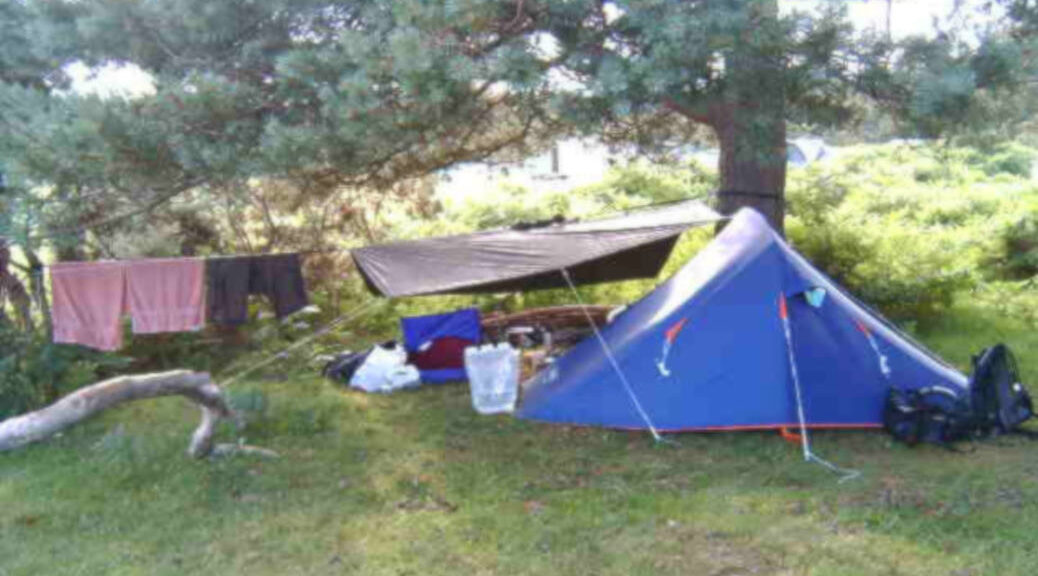
Demographics of the ‘Unsheltered’ and ‘At Risk’ on Cortes and Quadra Islands

There were at least 159 Cortes Island residents living in ‘unsheltered’ or ‘at risk’ conditions when they responded to the housing needs survey last spring. There was a smaller response on Quadra and the Outer Islands, so only 69 were identified. These are both low numbers. At one point during our interview Emma Wallace, who oversaw this project, suggested the actual number for Cortes might be 10% higher. So I guesstimate about 175 people in a population of about 1,100 are in unstable housing situations. (I do not believe there is enough data to make a serious guesstimate in Area C.)  

Wallace is employed by the Rural Development Network, which was commissioned to do this study by the Campbell River & District Coalition to End Homelessness and the Urban Indigenous Housing and Wellness Coalition. In today’s program she gives a demographic sketch of the unsheltered and at risk population.

Continue reading Demographics of the ‘Unsheltered’ and ‘At Risk’ on Cortes and Quadra Islands

‘Unsheltered’ and ‘At Risk’ Populations on Cortes and Quadra Islands

In the Spring of 2022, Campbell River & District Coalition to End Homelessness and the Urban Indigenous Housing and Wellness Coalition  commisioned a series of studies of the housing crisis in our area. One components was a survey called ‘Collecting Stories of Where We Live’ conducted by the Rural Development Network. 110 Cortes Island and 43 Area C residents participated (all but two of the latter were from Quadra Island).  

“The purpose was to provide a comprehensive picture of housing instability and homelessness in the area to help inform service providers and municipal, provincial, and federal policies, practices, and funding decisions. And then to elevate and incorporate the voices of folks who are experiencing homelessness in solutions to end homelessness,” explained Emma Wallace, Project Manager of Community Development and Homelessness Estimations at the Rural Development Network.

Continue reading ‘Unsheltered’ and ‘At Risk’ Populations on Cortes and Quadra Islands

Potentially More than 1200 ‘housing unstable’ in the SRD

There may be more than 1,200 ‘housing unstable’ people in the Strathcona Regional District. 

This figure arises from a statement Emma Wallace, of the Rural Development Network, made when she released the comments from the ‘Collecting Stories of Where you Live’ data collection project.

Wallace’s organization was commissioned by the Campbell River & District Coalition to End Homelessness (CRDCEH) and the Urban Indigenous Housing and Wellness Coalition (UIHWC) to conduct the housing and service needs estimation in the Strathcona Regional District earlier this year. The ‘stories’ her organization collected were written responses to the housing needs survey.

Continue reading Potentially More than 1200 ‘housing unstable’ in the SRD

The rural housing and service needs survey

The Strathcona Regional District is in the midst of a 30 day survey of rural housing insecurity and service needs. The Campbell River and District Coalition to end homelessness emailed copies to every Vancouver Island Regional Library in the district. There was a network of volunteers ready to work with them on Cortes Island and individual volunteers on Quadra, but some areas can only be reached through social media. The survey comes to an end on Wednesday, May 11, 2022.

Continue reading The rural housing and service needs survey