

By Radha Agarwal, Delta Optimist, Local Journalism Initiative Reporter
Drawing on nearly two decades of self-governance, Tsawwassen First Nation (TFN) is endorsing the ratification of the K’ómoks and Kitselas Final Agreements.
The Nation asserts that the success of these new treaties is a vital legal precedent required to unlock TFN’s own pending treaty modifications.
TFN became the first Nation to enter into a modern treaty under the B.C. process in 2009, and operates with its own constitution, laws, and elected government.
While Kitselas and K’ómoks have navigated the treaty process since the early 1990s, ratification faces significant pushback.
The Union of B.C. Indian Chiefs and neighbouring Nations — including the Wei Wai Kum and the Lax Kw’alaams Band — have called for a legislative pause, citing unresolved territorial overlaps.
Despite these tensions, TFN asserts that land disputes should not halt progress.
The Nation maintains that overlapping complexities are an expected part of reconciliation that should be resolved through patient, Nation-to-Nation dialogue rather than stalling the process.
Additionally, the First Nations Summit added its support, calling treaty negotiations the “highest form of reconciliation”.
How new treaties unlock TFN’s own modernization
Currently undergoing its 15-year periodic review, TFN’s modifications are tethered to the ratification of the K’ómoks and Kitselas bills.
TFN believes that treaties are not static; they are meant to be updated.
The newer agreements include nearly 20 areas of expanded jurisdiction that TFN looks to incorporate, such as the administration of justice through a First Nations court.
It also aims to bring the language up to date by replacing terms like ‘Aboriginal’ with ‘Indigenous,’ matching the newer treaties.
Another priority for TFN’s review is streamlining how the Nation incorporates newly acquired lands under its self-governing jurisdiction.
Furthermore, the Nation wants to move from a 15-year to a more frequent 10-year review cycle to keep pace with modern needs.
In a statement, TFN expressed concern that the public is conflating the treaty process with the Declaration on the Rights of Indigenous Peoples Act (DRIPA).
The Nation asserts that the treaty model provides the details and legal certainty that DRIPA lacks.
“By being a self-governing body instead of a reserve under the Crown, you can make change quite quickly that benefit the entire community, not just First Nations,” said TFN.
Treaties enabled them to build economic plans, commercial lands, and housing.
“Because Tsawwassen has gone through the treaty process and knows it’s a vehicle for success, we’re supporting it. By holding them back, we’re actually holding our own work back as well.”
Once approved by the legislature, these treaties will create the necessary legal precedent for Tsawwassen’s modernization.
“The government sees treaties as a divorce, and First Nations see them as a marriage,” TFN stated. “It’s the start of a relationship, not the end of one.”
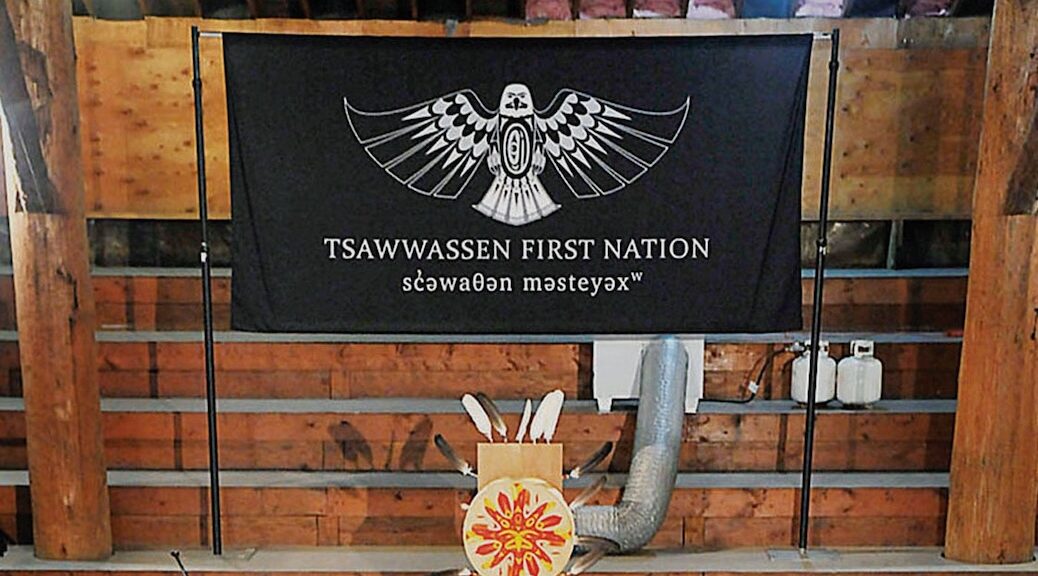
Top image credit: Currently undergoing its 15-year periodic review, TFN’s modifications are tethered to the ratification of the K’ómoks and Kitselas bills. – Delta Optimist file

Sign-up for Cortes Currents email-out:
To receive an emailed catalogue of articles on Cortes Currents, send a (blank) email to subscribe to your desired frequency:
- Daily, (articles posted during the last 24 hours) – [email protected]
- Weekly Digest cortescurrents – [email protected]