

By Nicolas Crier, Megaphone Magazine, Local Journalism Initiative Reporter
The City of Vancouver is known for being progressive in many ways. One of those ways is through the development and implementation of a new Urban Indigenous Engagement Framework.
The guidelines are the first of their kind adopted by a municipality, establishing a formal and mandatory process for the city to engage on issues with urban Indigenous communities — including First Nations, Inuit and Métis peoples.
Historically, urban Indigenous Peoples have faced systemic discrimination and exclusion at the municipal level, through policies, bylaws and practices that restricted where they could live, gather, work and participate in civic life.
“This framework is an overdue recognition that our Indigenous voices belong not just to the past but must also shape every conversation about this city’s future,” said Sxwíxwtn Wilson Williams, chairperson of the Sḵwx̱wú7mesh Úxwumixw (Squamish Nation), in a press release.
Aligned with the United Nations Declaration on the Rights of Indigenous Peoples Act (UNDRIP), and with contributions from a number of Indigenous advisory committees, the guide sets out what Indigenous Peoples living in Vancouver can expect from the city with regards to including them in decision making.
“Ultimately, this framework supports the City’s vision of reconciliation by ensuring Indigenous people are not only engaged but are active partners in shaping Vancouver’s future,” the framework states.
The framework is detailed, covering everything from how Vancouver will prepare to meaningfully connect with Indigenous Peoples, to carrying it out, to determining the next steps following engagement. Read the full guidelines here: City of Vancouver: Urban Indigenous Engagement Framework.
For example, when a City department — such as Arts and Culture — develops a new initiative, the framework requires early consultation with urban Indigenous peoples (like me), living away from their ancestral territories.
It also calls for consistent, transparent communication throughout the process, as well as proper follow-up documentation afterward. This will help ensure future projects are informed by past experiences and can strengthen relationships over time.
But the framework, while ideologically positive, raises some important questions. How exactly will officials engage with urban Indigenous Peoples? How will the city measure the impact of this framework? Are there examples of how it’s being implemented so far?
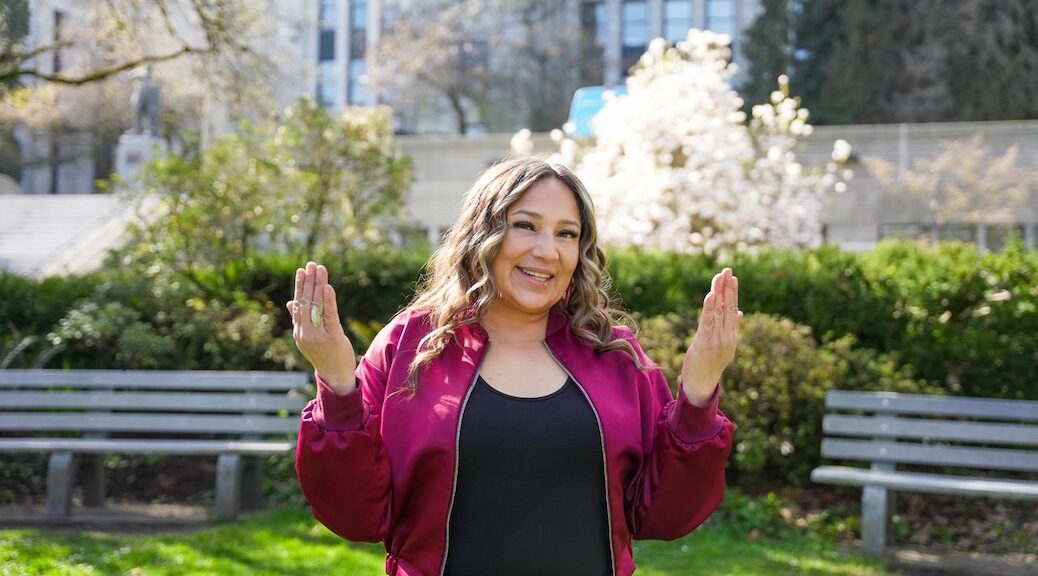
Rachel Wuttunee, senior manager of Urban Indigenous Relations, told Megaphone that the framework provides “clear, actionable guidance for city staff before, during and after city engagement processes by embedding Indigenous protocols, applying culturally safe and trauma-informed practices and introducing reporting mechanisms and evaluation tools into the urban Indigenous engagement process.”
Wuttunee, who is Anishinaabek from Kitchenuhmaykoosib and a Bear Clan member, said her team will support staff “throughout the planning, implementation and engagement wrap-up phases” to help confirm all proper steps have been taken.
Any Indigenous person in Vancouver can sign up to receive updates and invitations to engagement events at Shape Your City Vancouver, (shapeyourcity.ca), added Wuttunee.
When asked how the city plans on measuring the impact of the framework, Wuttunee said the framework will be reviewed annually and updated “based on guidance and feedback from Indigenous participants,” who have the opportunity to provide feedback after each engagement.
Given the disproportionately higher rates of addiction, incarceration, suicide and other challenges experienced by urban Indigenous populations, creating this framework appears to be a step in the right direction.
In my view, having a seat at the table is what has long been needed. In many ways, this is reconciliation in action: building meaningful relationships between the city and its Indigenous citizens.
“The path to reconciliation is smoother when Indigenous and non-Indigenous peoples walk together, honouring each other with mutual kindness and respect,” said Chief Justin George of the səlilwətaɬ (Tsleil Waututh Nation).
From this urban Indigenous resident, a heartfelt Chi Migwetch (“thank you very much”), Vancouver.
Nicolas Crier (Cree) is a member of The Shift peer newsroom at Megaphone magazine. He has spent approximately half his life surviving in the streets and more than a decade in the Downtown Eastside. He’s parlayed his street smarts and community connections into a successful career as an overdose responder and outreach worker. He is a published writer and takes part in numerous academic partnerships through universities and health authorities. He is the proud father of one son.
Top image credit: Rachel Wuttunee, senior manager of the City of Vancouver’s Urban Indigenous Relations department, says staff will receive “clear, actionable guidance” on new mandatory engagement protocols with urban-Indigenous peoples. – Photo courtesy City of Vancouver

Sign-up for Cortes Currents email-out:
To receive an emailed catalogue of articles on Cortes Currents, send a (blank) email to subscribe to your desired frequency:
Weekly Digest cortescurrents – [email protected]
Daily, (articles posted during the last 24 hours) – [email protected]