
Tag Archives: UNDRIP

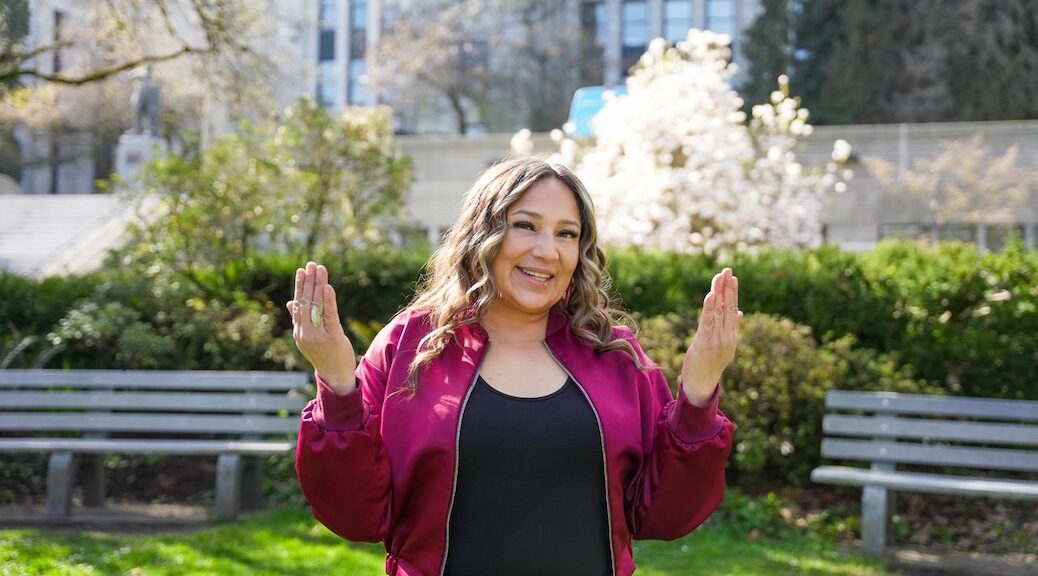
Vancouver sets new standard for urban Indigenous engagement

By Nicolas Crier, Megaphone Magazine, Local Journalism Initiative Reporter

The City of Vancouver is known for being progressive in many ways. One of those ways is through the development and implementation of a new Urban Indigenous Engagement Framework.

The guidelines are the first of their kind adopted by a municipality, establishing a formal and mandatory process for the city to engage on issues with urban Indigenous communities — including First Nations, Inuit and Métis peoples.

Continue reading Vancouver sets new standard for urban Indigenous engagement
Indigenous-led watershed protection effort lacking crucial municipal support in Okanagan

By Aaron Hemens, IndigiNews, Local Journalism Initiative Reporter

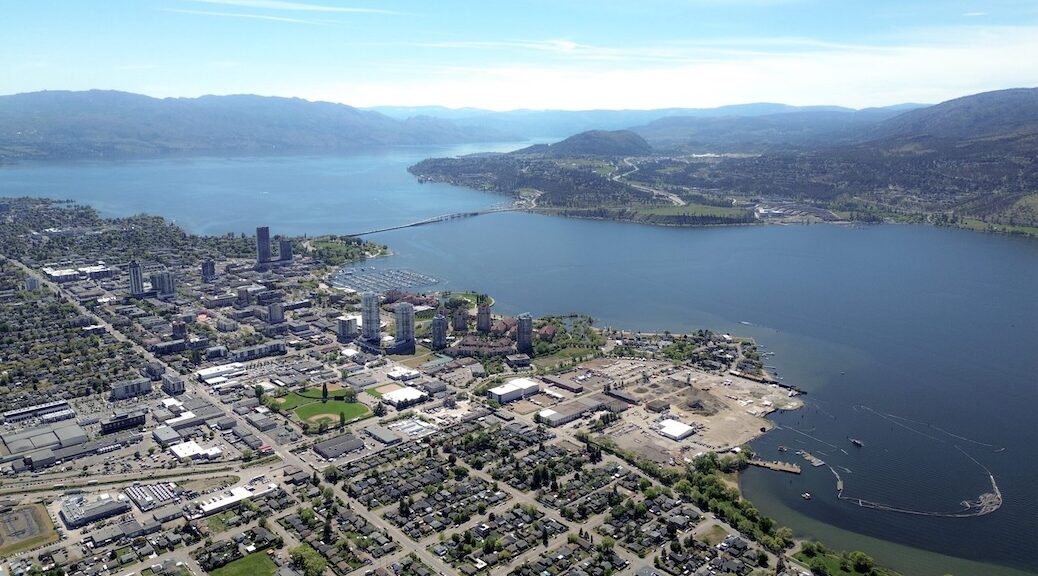
Nearly every municipality, regional district, and First Nation across the Okanagan and Similkameen watersheds has signed on to a syilx-led initiative to restore and protect the region’s waters for the next seven generations. 

But the multi-government effort is missing two key players: the cities of Kelowna (kiʔláwnaʔ) and West Kelowna, representing a combined population of nearly 210,000 people, according to B.C. Stats.

Continue reading Indigenous-led watershed protection effort lacking crucial municipal support in Okanagan

DRIPA: Nuu-chah-nulth Tribal Council Says Its Time to Set the Record Straight!

Press release from the Nuu-chah-nulth Tribal Council

April 14, 2026– Hupacasath and Tseshaht Territories, Port Alberni, BC
The Nuu-chah-nulth Tribal Council (NTC) is relieved to hear that amendments to DRIPA are paused while the Premier looks for support with chiefs and opposition MLA’s. We know it is not because he is listening to the First Nations who have spoken out against amending DRIPA but rather his need to find enough MLAs to support his amendments. The premier needs to drop this initiative.

NTC says to the Premier, now it is time to work with First Nations and find solutions to what he feels is a huge problem. We would like good faith negotiations in person and no negotiating through the media. Also no short meetings and turn around times to respond to BC’s position. We want co-developed solutions. NTC has always been willing to look at options other than amending DRIPA.

Continue reading DRIPA: Nuu-chah-nulth Tribal Council Says Its Time to Set the Record Straight!

The Battle Over DRIPA & Land Claims

(The first in a series of articles about Indigenous consent, property rights and the future of DRIPA)

British Columbia is currently navigating a widening divide. On one side, the courts are handing down historic decisions affirming Indigenous rights. On the other, a growing wave of anxiety over private property and economic certainty. Today, we look at the fallout from the Gitxaala and Cowichan Tribes decisions—and the political battleground forming around the Declaration on the Rights of Indigenous Peoples Act (DRIPA). 

These are actually three separate topics: two court cases regarding the duty to consult before registering mining claims (Gitxaala versus British Columbia and the 2025 appeal); a court case regarding the Aboriginal title to an ancient village site that was sold out from beneath the Cowichan Tribes (Cowichan Tribes v. Canada); and DRIPA, the provincial legislative framework that formally adopts and implements the the United Nations Declaration on the Rights of Indigenous Peoples (UNDRIP)

Continue reading The Battle Over DRIPA & Land Claims

Coastal First Nations say they are open to cooperation, not pipelines

By Sonal Gupta, Canada’s National Observer, Local Journalism Initiative Reporter

Following a closed-door meeting with Prime Minister Mark Carney on Tuesday, Coastal First Nations leaders said they are still firm in their opposition to a new oil pipeline. 

“Our interest isn’t about money in this situation, it’s about [the] responsibility of looking after our territories and again nurturing the sustainable economies that we currently have here,” said Gaagwiis Jason Alsop, President of the Council of the Haida Nation and vice president of CFN, speaking at a press conference. 

Continue reading Coastal First Nations say they are open to cooperation, not pipelines