Tag Archives: Proposed BC pipeline

Majority of Albertans don’t want taxpayer dollars used for pipeline; say province’s economy too dependent on oil and gas

Despite the latest spike in oil prices and months-long push by oil and gas industry for the stripping back of environmental regulations, Albertans are concerned about overreliance on single sector.

By Janetta McKenzie , News release from the Pembina Institute

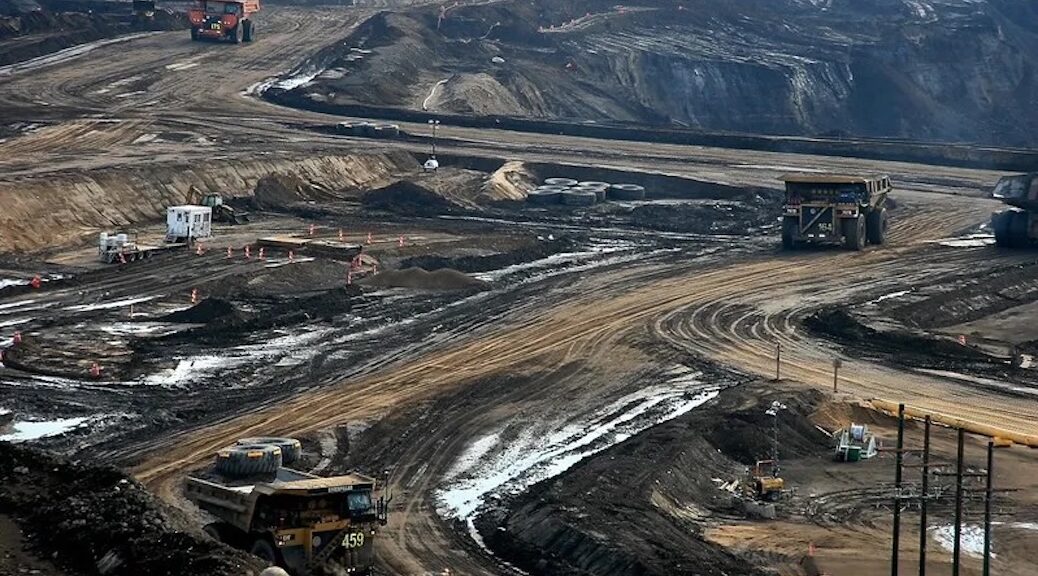
CALGARY — A majority (61 per cent) of Albertans say they do not want taxpayer money to be used for a new pipeline, with even more (67 per cent) saying they think the province’s economy is too dependent on the oil and gas sector. 

New polling commissioned by the Pembina Institute and conducted by Probe Research in late April and early May suggest Albertans’ views on energy policies are not aligned with priorities being brought forward by the Government of Alberta and oil and gas industry leaders. These have included a broad push for environmental deregulation, as well as a proposal for a new oil pipeline that has so far been funded exclusively with Alberta taxpayer dollars, and has still yet to attract a private sector proponent.

Continue reading Majority of Albertans don’t want taxpayer dollars used for pipeline; say province’s economy too dependent on oil and gas


First Nation says federal government is absent after major spill settlement

By Sonal Gupta, Canada’s National Observer, Local Journalism Initiative Reporter

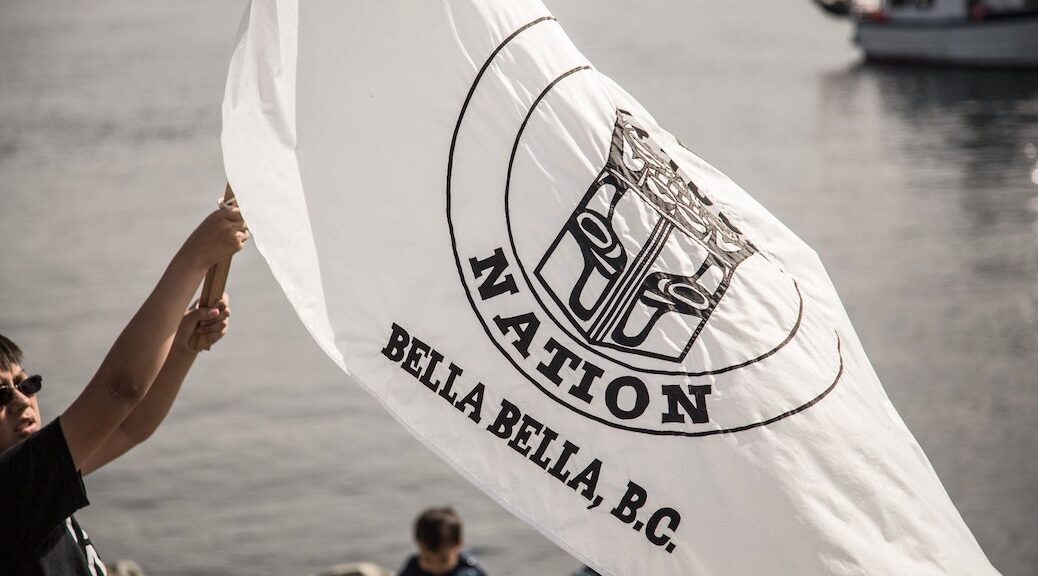
Nearly a decade after a tug spilled diesel into the territorial waters of a BC First Nation and shut down key harvesting grounds, the Heiltsuk Nation says a new settlement is only one step toward recovery.

The Heiltsuk have reached a settlement with Kirby Corporation, the Texas-based marine transportation company that owns the Nathan E. Stewart tug. The tug hit a reef near Bella Bella, BC in 2016 and spilled 110,000 litres of diesel and lubricants, fouling more than 350 kilometres of shoreline and shutting down a key clam harvesting area. 

But Heiltsuk leaders say the federal government — and Canada’s compensation fund for ship spills — are still “nowhere to be found.” 

Continue reading First Nation says federal government is absent after major spill settlement

Inspirations: An interview with Ruby Singh

Juno-nominated musician Ruby Singh recently returned to Cortes Island, both as a facilitator for the CASE Youth Leadership Conference at Hollyhock and to give a concert at Manson’s Hall. In this morning’s interview, he talks about his many forms of artistic expression, inspirations, and relationship with Cortes Island. 

Ruby Singh:  “I find inspiration in a lot of different ways. I feel like we are all just small tendrils of creation, so the act of creation and the act of creativity are among the most natural ways of being. Other artists really inspire me. I am deeply inspired by ancestry and futurity at the same time, so finding ourselves where we are in this timeline of inheritance from our ancestors, and what we are thinking about leaving here when we leave. Long timelines really inspire me, and deep time is a very inspirational thing. I get a lot of inspiration from my community, from the people around me, and from this more-than-human world that surrounds us.” 

Continue reading Inspirations: An interview with Ruby Singh

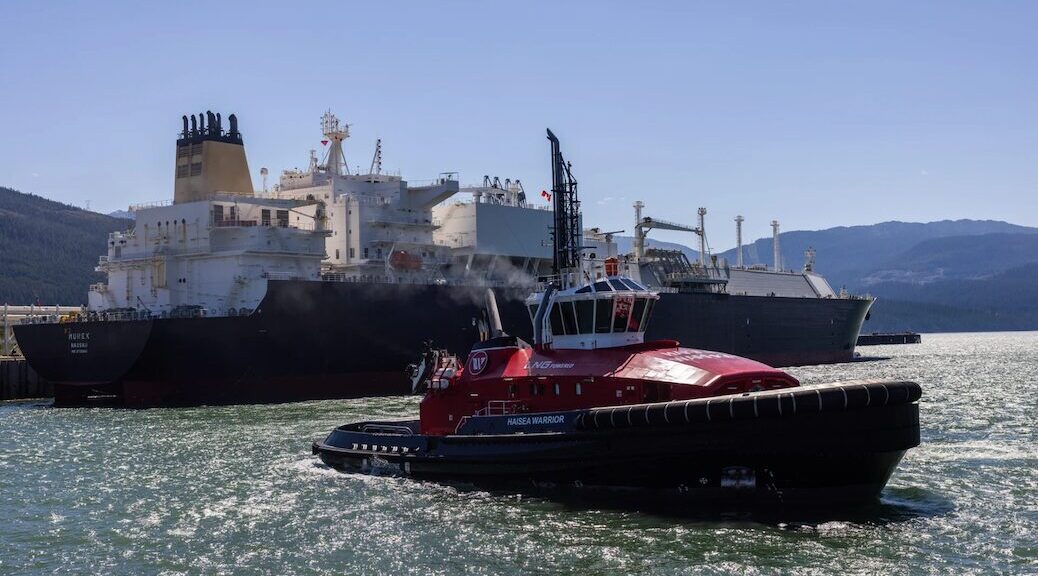
Ottawa warned public funding for LNG and fossil fuel projects could trigger Charter challenges

By Sonal Gupta, Canada’s National Observer, Local Journalism Initiative Reporter

A BC citizens’ group and its lawyers are warning Ottawa it could face Charter challenges if it uses public money to support new or expanded fossil fuel projects, including major LNG developments in British Columbia.

Ecojustice lawyers, acting for Citizens for My Sea to Sky, recently sent a legal letter to federal ministers and Crown corporations, including the Canada Infrastructure Bank and Export Development Canada. The letter says new subsidies or financing for projects such as Ksi Lisims LNG, LNG Canada Phase 2 or a new oil pipeline, could violate Canadians’ constitutional rights — on the basis that public financing for these projects would worsen the climate crisis and increase risks to Canadians’ Charter-protected rights, including the right to life, security of the person and equality. 

“The subsidies drive the project; the project [drives] the emissions; the emissions drive the harms and the risk of harms,” said Ecojustice lawyer Charlie Hatt.

Continue reading Ottawa warned public funding for LNG and fossil fuel projects could trigger Charter challenges

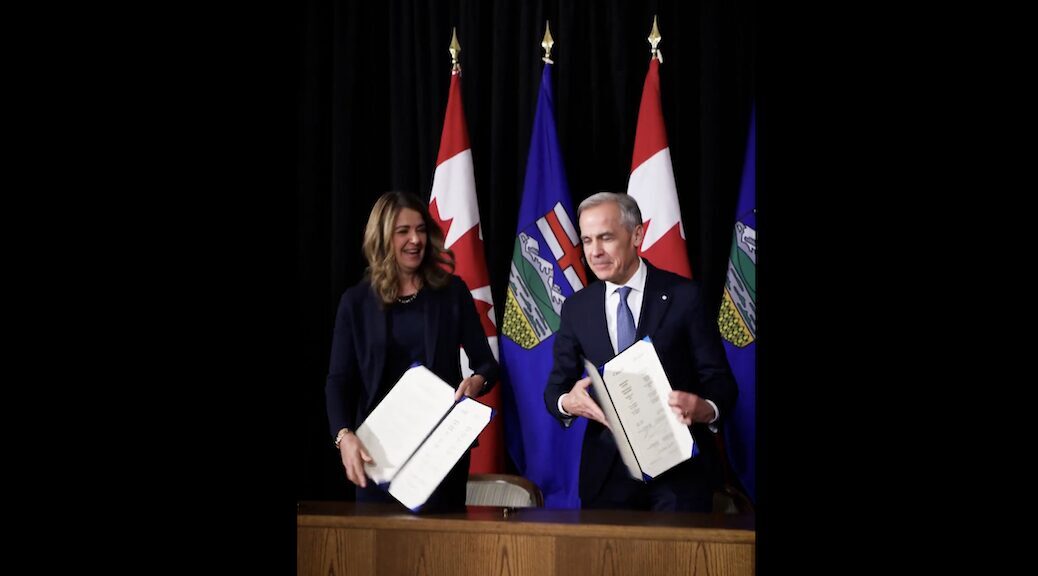
Jennifer Lash on Mark Carney, the MOU and Canada’s low carbon future

There have been a lot of concerns that the MOU with Alberta represents a step backward when it comes to reducing climate-change-causing emissions from big industry and advancing clean energy. In this morning’s interview, Jennifer Lash, who was both a senior adviser at Environment and Climate Change Canada and a Liberal candidate in the last election, shares her perspective on these issues.

Shortly after the radio version of this story first aired, Carrie Saxefrage from the Cortes Island Climate Action Network emailed, “Ten years ago, Bank of England Governor Mark Carney gave a speech in which he said the world must turn risk into opportunity by building new markets in climate transition and green finance. Last week, Prime Minister Carney just backed down before the oil industry bullies who are pushing our shared Earth further toward mass extinction. The new Mark Carney may survive to fight another day, but how much of our money will he have thrown away, or locked into climate destruction? What and who will be left to save? “

Canada needs the Mark Carney of ten years ago, the leader who is eager to use his political capital to persuade Canada that our taxes and regulations must, with deliberate speed, transition our nation toward stability and away from fossil fuels.”  

May Thaysen added, “The Cortes climate action network is here to build a home base for the people power we need to stop the pollution that is threatening our lives and livelihoods – that includes political pressure on the Prime Minister to force him to do the right things.  Reach out at [email protected].”

Jennifer Lash explained, “I went through a bit of an existential crisis when the MOU was announced. That was a hard moment for me. I’ve spent many years arguing against pipelines and arguing for carbon pricing, but I had to step out of the old way I was looking at climate. I had to step into a new way of looking at it, one that took more into consideration the current global crisis we’re in and the political situation.”

Continue reading Jennifer Lash on Mark Carney, the MOU and Canada’s low carbon future