

See: Liberal Budget survives Non-confidence vote

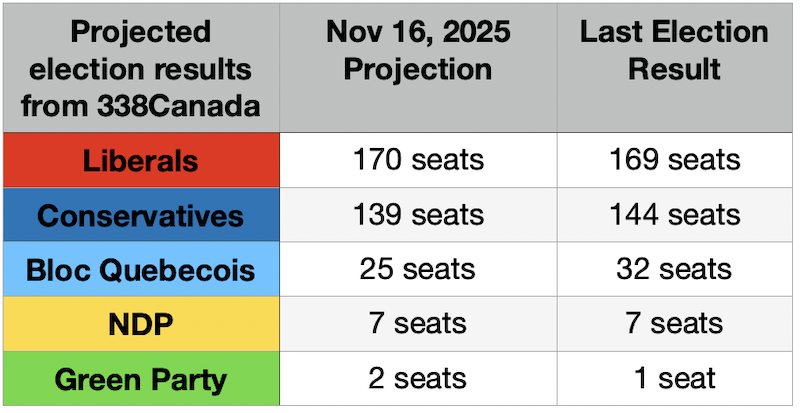
Monday November 17, 2025 – Prime Minister Mark Carney’s government is expected to face another non-confidence motion today. This will be the third non-confidence motion this month, which the opposition parties have made in regard to the 2025 budget. In this morning’s interview, Jennifer Lash, the liberal candidate for this riding during the last election, explains why the budget is good for North Island Powell River, and why it’s good for climate action.
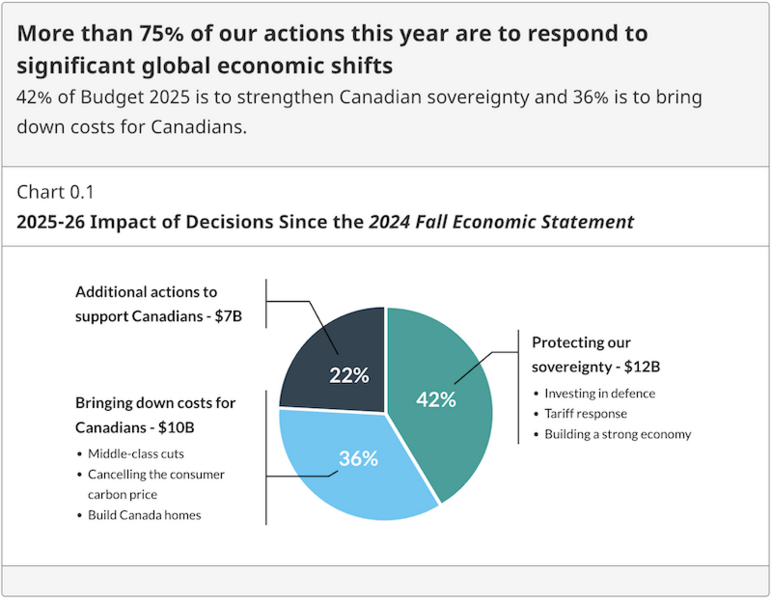
Jennifer Lash: “Budget 2025 can be looked at in two ways, and I’m going to use some economic language here. There’s both the macro approach and there’s the micro approach. So the macroeconomic approach is, what does it mean for Canada? A thriving economy within Canada benefits everybody in terms of just having a healthier economy and generating more tax revenue for the government – which can result in more social services.”
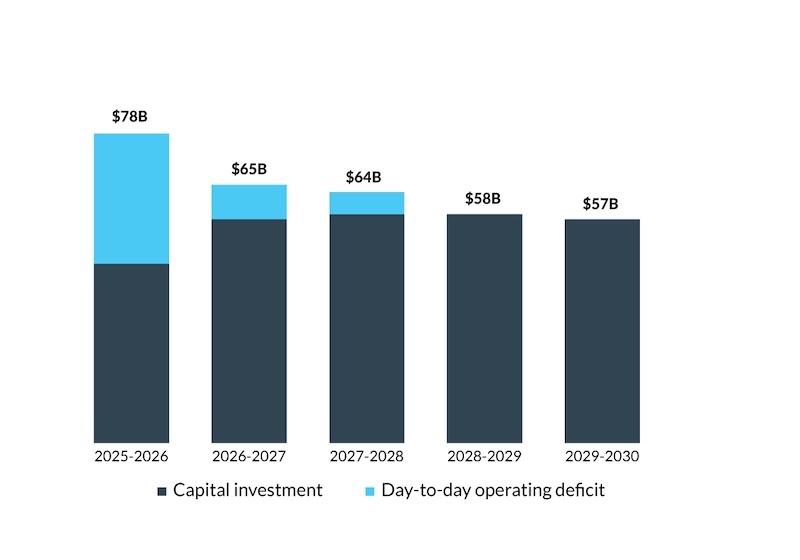
“What the Prime Minister did with this budget is he really looked at how we can invest in major industries so that we can see the economic development we need to see in this country to make our economy stronger. A lot of that’s through infrastructure, through capital investments, really trying to attract up to a trillion dollars of private investment so the economy at large across Canada is healthier.”
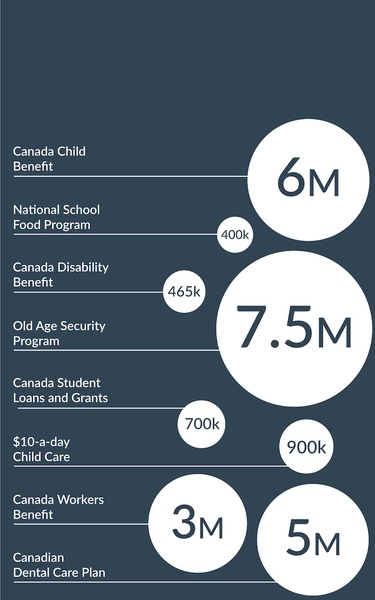
“When our economy is stronger, we have more revenue for the social services that we all benefit from so many times. This, in general, will benefit North Island- Powell River, but there are some specific things that also develop that also benefit this area.”
“There is support for the forestry industry, which was announced before the budget, but reconfirmed in the budget. Money to help companies that are dealing with tariffs: how can they diversify their markets? How can they get guaranteed loans so that they can help to retool their industry or their business so that they can adjust to new markets overseas.”
“There’s really an influx of cash into the forest industry to deal with these tariffs. It’s really important to note that this riding is not a stranger to tariffs. “These tariffs that the country is talking about now, we have been dealing with for decades from the United States on the software lumber industry. So I find it refreshing, the government’s finally really supporting us through that. I hope that it continues to get the priority attention it needs that the auto sector’s getting, the steel sector’s getting and aluminum sector’s getting so forestry’s really important.”
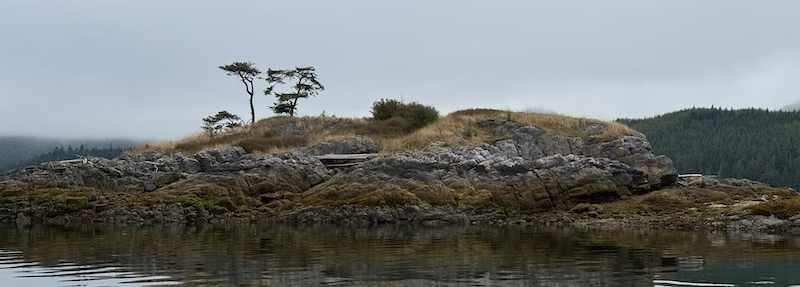
“In terms of fisheries, there’s also funding for the seafood industry to also look at new markets and that would apply to wild fisheries as well as the aquaculture industry. So that’s shellfish, farmed fish, and also our amazing, wild seafood industry. And again, talking about tariffs, It’s not just the US tariffs that are a problem. A lot of the seafood industry is really affected by tariffs from China right now. How can we support our industry through that?”
“One that made me particularly happy too is this continued support for the small boat harbors. We have an amazing network of organizations and governments that are helping look after our small boat harbors right now.
I know in Sointula it’s our Lions Club that manages it. It is part of the heartbeat of our community, and the government will continue that support, which is really important for all of our coastal communities.”
“Let’s think of other things. There’s funding for cultural things, such as anniversaries and festivals in local communities, that they can apply for. There’s funding for seniors for physical activities, so there’s some really great support coming through there.”
“There’s some support for community infrastructure projects. So if any of the communities in this riding want to look at some major infrastructure that they need, there’s ways that they can apply for that. It requires the provincial government stepping in as well, but I think that’s a really great approach. The federal government can’t foot the bill for everything. It’s nice to have the provinces involved as well.”
“Another one really important is the health infrastructure. There is funding that’s going to the provincial government so that they can invest in health infrastructure. I know on the North Island, places like Port McNeil Hospital are dealing with a lot of pressure as the other hospitals sometimes have to close down. How can we help some of these smaller rural community hospitals really deal with the health challenges of today?”
“There’s support for through E.I. for people who work less , so they can get more EI support and some temporary EI support as well. That’s just a snapshot of some of the ways that the budget can trickle down and really benefit people here in North Island-Powell River.”
Cortes Currents: I have two questions, both are hotspots. One of them is forestry and the question of preserving the sector of old growth called big tree old growth. Studies have been showing that logging has actually been increasing since deferment has been talked about in old growth areas. Do you have any comments about that?
Jennifer Lash: “It is a really important issue, really, really important. The rate that we cut and where we cut is very important. That is really a provincial jurisdiction and I tend to focus my analysis on federal policy. I’m not an expert on that, and I prefer not to weigh into that. What I really look at is how can the federal government step in and help? That’s why the support they’re doing for the forestry industry through market diversification ensures that they can continue to sell their products.”
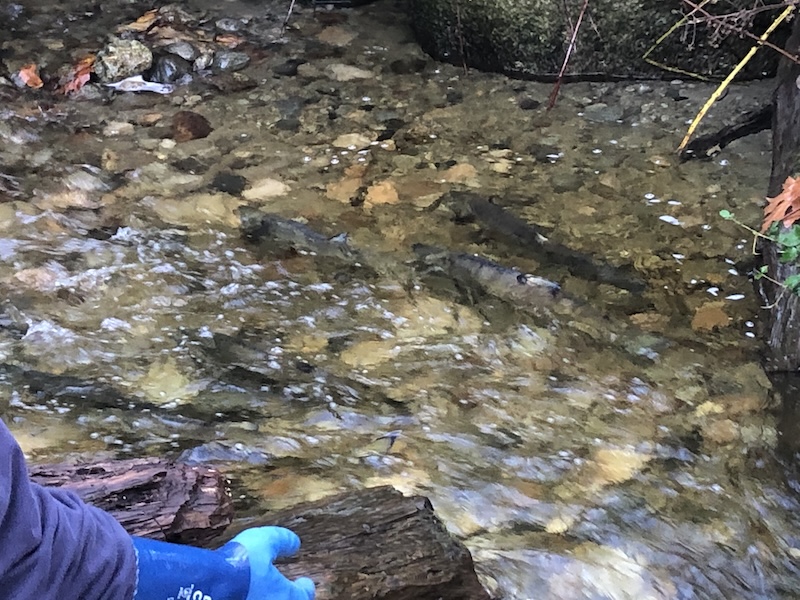
Cortes Currents: The other question in terms of promoting fish and seafood products is fish farms, we’re noticing a resurgence in fish populations to some extent.
Jennifer Lash: “I will agree the fish returns this year were amazing as somebody who does like to go out and catch the occasional spring salmon. Got one beautiful one this year. It was thrilling to see all the fish out there. It was also really thrilling to see the sockeye fishery in Johnson Strait open up for the commercial fishermen. They haven’t fished there in a long time, and it was really great to see those returns. “
“In terms of fish farms, we can look at changes in fish population trends over time and compare them to whether farms have been present or not. I don’t think there’s enough time to draw conclusive evidence that they’re connected. So we can’t say that the fish populations have gone up only because the fish farms aren’t there and we can’t say that the fish farms have had no impact. There’s enough information.”
“We need to do everything we can to protect those salmon and continue to rebuild our fish stocks because a lot of people all along the coast are doing a lot of work to protect our fish.”
“Right now the federal government has the policy to phase out open neck cage salmon farms. I said this during the campaign and I believe this so strongly right now, I think that is a good policy, but I feel like the federal government really left the aquaculture industry or the salmon farming industry high and dry when they didn’t provide the support they needed for that transition. I know that the industry’s done a lot of work to try and figure out how they can start to really improve or how they can continue to improve their technology because it’s better now than it was 20 years ago, but we need to do more. The government really needs to put some funding into that. We did not see that in the budget, and that’s disappointing.”
“If I was the MP for this area, I would’ve been advocating for it very hard with the government and I really hope that at some point we will see that support. I know that communities like Campbell River, Port Hardy and others have worked really hard to build this industry as a way to replace jobs lost through forestry and commercial fishing. How can we continue to have those jobs, but also ensure that those amazing wild salmon are protected so me and others can keep fishing? That’s also important – It’s an important part of my summer.”
Cortes Currents: Any final thoughts about what the budget means for North Island Powell River?
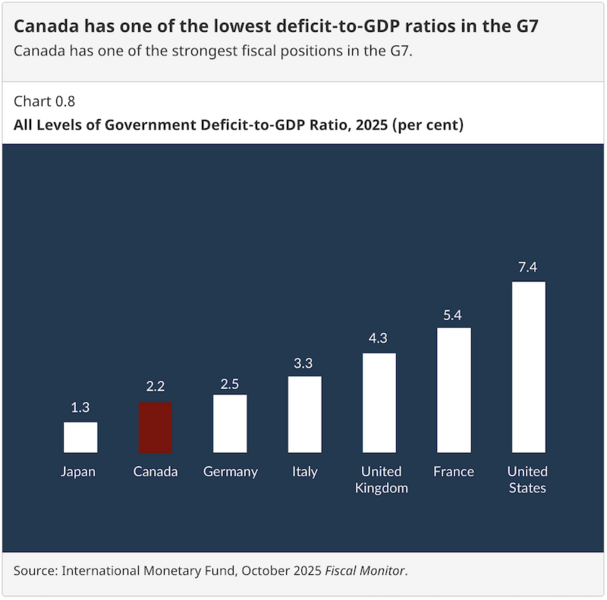
Jennifer Lash: “The final thing I’d say is I was a little bit disappointed in the response from our MP, Aaron Gunn. He really just leaned into the fact that we have a deficit and he failed to really look at the nuances of this budget. It is a change in the way Canada’s running its budget in that it is looking at eliminating any deficit from its operating budget and really emphasizing the investment. What that means is that you have to give it time for this approach to take hold. But we will get our operating budget, which is the cost of us doing business in line. So there will be no deficit and the investments will start to generate revenue for the federal government and we’ll be healthier.”
“He really leaned into what is an easy response, which is we shouldn’t have a deficit as opposed to understanding the true value of this approach and why it’s so visionary and good for Canada. At this moment in time when we’re facing affordability issues, we’re facing a slowing economy and we’re facing a very real threat from the United States in terms of trade.”
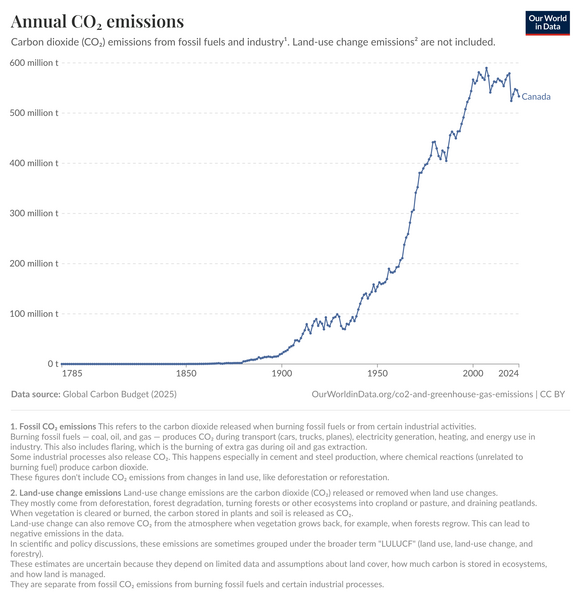
Cortes Currents: How does this budget help when it comes to climate action?
Jennifer Lash: “An issue near and dear to my heart, I worked for many years as a climate advocate. So this budget does a couple things.”
“First of all, looking at climate policy. It offers a really creative solution to what was becoming a real problem.”
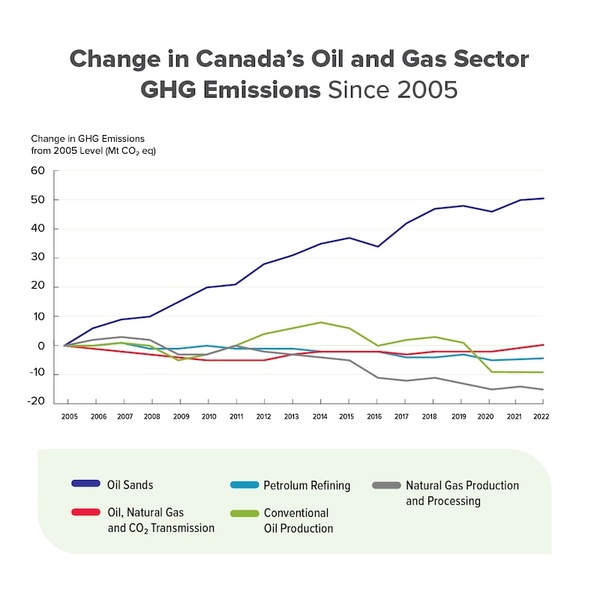
“I think it was in 2021 when the federal government committed to an emissions cap on the oil and gas sector. The oil and gas sector is the fastest growing source of emissions in Canada and they had said that they would take action to reduce emissions, but there was no guarantee that was going to happen. So the federal government was like, okay let’s cap those emissions so that you could basically put your money where your mouth is and live up to what you’re saying. So an approach was taken using the Canadian Environmental Protection Act to actually put in a hard cap of what that emissions would be.”
“Basically the emissions cap said: if industry reduces its methane, if they put in energy efficiencies and if they put in place the carbon capture and storage-which they have guaranteed us works-we can set our emissions at a certain level and it doesn’t affect production.”
“I know some people will be saying, we actually have to curtail production, but that is not the federal government’s jurisdiction. If the federal government’s policies try to infringe on production, then we would lose in court and any regulations we put in place would be canceled.”
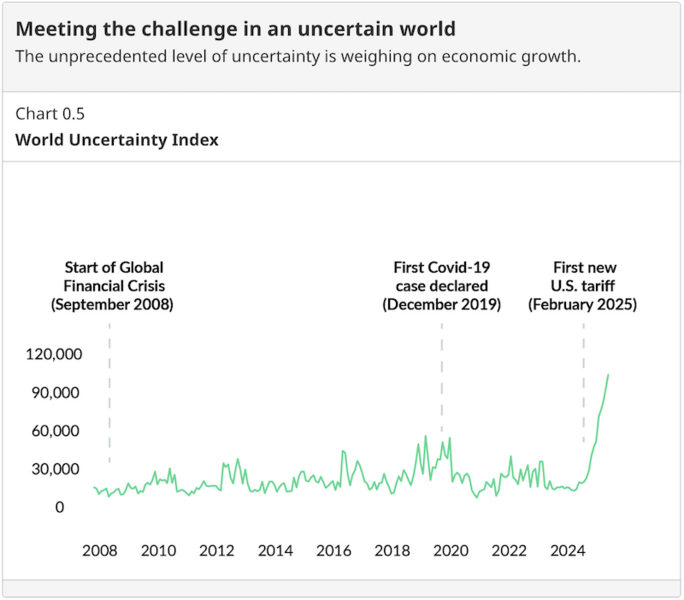
“We have to really look at regulations that don’t affect production, but do affect emissions. In this budget, what the government did was say the emissions cap was creating such tension with industry but also conflict with our provinces. For us to move forward in these uncertain times, we need to have better working relationships with all of our provincial governments.
“So the question put forward to the government was how can we meet those same emissions reductions, but without having this cap that the industry and the provinces really didn’t like.”
“So the government’s switching over to looking at improving on the industrial carbon price. The industrial price is a system that’s in place right now on the oil and gas and other major emitters and it’s not working as efficiently as it should. It also doesn’t have a price projection past 2030. Our methane regulations are currently at 40% below 2012 levels by 2030, but there’s draft regulations in place to get to 75% below.”
“So what the budget says is pass those improved methane re regulations, work with the provinces to improve and strengthen the industrial carbon price. With those together, the same emissions reductions will be met. If we can come up with a system that reduces those emissions to the same level as the cap, then this cap will be removed, which takes away a lot of the red tape that the industry was going to have to follow.”
“It’s a very creative approach to have the same emissions reductions, but make it less burdensome on industry and address some of the concerns of the provinces. That was a bit of a policy wonk conversation, I hear it being framed as the government walking back on the emissions cap, but it’s not, it’s actually a way of ensuring we have the same emissions reduction.”
“Canada already has a really clean grid, but there are some places that aren’t as clean as they should be. BC we’re lucky, we have a very clean grid here. They’re going to continue with the clean electricity regulations and then spur industry to build more clean electricity with a clean electricity tax credit, which basically just means if an industry goes and builds clean energy, once it’s built, they get a tax credit back for it. It’s proved to be an excellent policy for spurring development.”
“Sustainable finance is a way of saying if a company wants to invest in a green or clean industry, how do they know that that industry is clean? Everybody right now can stand up and say their industry is clean.
‘What this government’s going to do is work on what’s called a taxonomy, which really looks at defining what is a transition industry, what’s a clean industry, or a green industry. So investors can put their money where they want. In terms of building the economy of the future and also climate disclosure. So working with the provinces to ensure there’s climate disclosure and that is what are the steps that are being taken to ensure that we are ready for the climate that’s coming in the future. Where are investments at risk of being stranded? Where investments are at risk of investing in things that may not be a viable industry 10, 15, 20 years from now? So really working to improve those and those have been on the books for a while. I think those could have been easily dropped. I’m really pleased to see that the government has not only committed them, but committed them with some timelines, which is really great.”
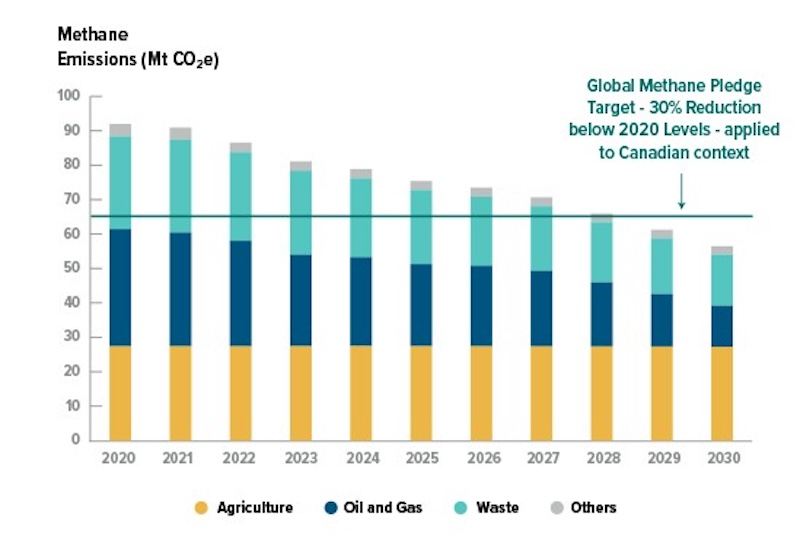
Cortes Currents: What about this government’s support for the LNG industry, which produces methane – one of the most toxic greenhouse gases on the planet?
Jennifer Lash: “The one thing that I’m sure a lot of people on Cortes are talking about and frustrated with is the support for LNG. We just saw it in the major project. We saw it also in the budget.”
“Some of the investments do support LNG. I know that’s a very hard topic for a lot of people. This is one of the things that I found so interesting about running for politics, where you have to step out of the comfort of running on single issues and into understanding how things affect people more broadly.”
“It was a big transition for me. I think we have to understand that right now to ensure that Canada remains a strong and vibrant country. We have to continue to build our industries, and one of those is LNG, but we need to make sure that the LNG is as clean as possible from our end and to do that we are putting through the methane regulations, which we’re committed to in the budget and also the projects that are being approved such as the most recent one. They are looking at ensuring that the emissions are really done, empowering it with clean electricity. A lot of work is being done to ensure that the LNG is clean on our end.”
“It does not deal with the fact that it’s being burned. I understand that. The faster the world can get off burning fossil fuels, the better. That’s something we need to continue to work for , but if it wasn’t developed here, the LNG demand for LNG would be filled elsewhere and at a time when Canada needs to be building our own economy. This is the decision that needs to be made at this time.”
“It’s not a perfect budget.”
“There’s a few pieces missing too.” “
“The electric vehicle availability standards, what’s usually called the EV mandate, was paused earlier in the summer. While they’re doing a review of it, we have not seen the results of the review yet. The budget does note that the results are coming soon.”
“The EV mandate is critical for reducing our emissions from the transportation sector, and I am really hoping that it’s left in place. I could see them possibly tweaking it to make it a little bit more effective, maybe increasing the amount of plugin hybrids that are included under it, but I think we really need to have that and also get some of the rebates back again so that it’s a little bit cheaper to buy an electric vehicle. Hoping that will be coming soon, the budget says it’ll be in the next couple weeks.”
“One of the real challenges is that when Mark Carney was elected as Prime Minister, the first thing he did was get rid of the consumer carbon price. I personally liked that policy, but a lot of people didn’t and a policy is only as good as the politics around it. It was causing too much division within the country. It was right for him to get rid of it, but it helped reduce emissions and we have not found the new policy that’s going to make up for that yet. That is a gap.”
“I believe that the Prime Minister really holds climate as a core value, and I think we will see more in the years to come, but it’s not there right now. I think that’s something that needs some work on.”
“A program I’ll just touch on is the Youth Climate Corps. I love this program. When I was an advisor to the federal government, I really pushed for it. So I’m thrilled to see this in there. And not just ’cause I’m the mother of two 25 year olds, but it’s a way of helping create jobs for youth that are good paying jobs that last for not just a six week internship. Where you can learn some reskill real skills that look at in the fields of both climate mitigation and climate adaptation.”
I’ll just finally just touch on a nature strategy, part of a good climate plan is ensuring that we’re protecting nature. I know that the Prime Minister is very committed to protecting nature. I stood behind him when he announced the commitment to creating new parks during the election, and I believe he’s still there. I think we will see a nature strategy. My guess is it just wasn’t ready in time to be in the budget, but I think it will be forthcoming.
Links of Interest
- Our plan: Building Canada strong (2025 Budget)
- Liberal Budget survives Non-confidence vote – Cortes Currents
- Our Communities, Our Country – Federal politics in North Island Powell River (Jennifer Lash’s website)
- Articles about, or mentioning, Jennifer Lash.
Sign-up for Cortes Currents email-out:
To receive an emailed catalogue of articles on Cortes Currents, send a (blank) email to subscribe to your desired frequency:
- Daily, (articles posted during the last 24 hours) – [email protected]
- Weekly Digest cortescurrents – [email protected]