De Clarke is a sailor, photographer, retired software engineer and intermittent author who since the late 70’s has published both technical writing and essays on various topics ranging from feminism to technology and environmental issues. She has lived on Cortes since late 2011.
Here’s an example of what I would call downright peculiar (when describing SRD’s dealings with Area B, Cortes Island).
When Craig Peterson (private investigator hired by SRD) suddenly arrived on Cortes Island in the New Year, he was quite open and frank about his mission here. He said he was here “to investigate the charges against Director Anderson.” For many islanders, it was the first they’d heard about any allegations or charges against our Director.
(EDITORIAL) – The Board of Directors is committed to performing its functions of office truthfully, faithfully and impartially to the best of its knowledge and ability based on the following values: (a) to work as a committed team in a spirit of collaboration and community; (b) to be caring and respectful in all interactions and relationships; (c) to be open and honest, and to adhere to the highest standards of ethical conduct; (d) to deliver effective public service through professionalism and creativity; and (e) to be accountable to constituents and to the region as a whole. — From the Strathcona Regional District Code of Conduct
On October 30th, just a few days after the decisive referendum on Area B Bylaws 328 and 341, the Cortes community received quite a shock: SRD (Strathcona Regional District) published on Tideline a press release detailing a motion of censure against Regional Director Noba Anderson. This censure rests on a claim that Director Anderson inappropriately released confidential in camera information (namely, the Craig Peterson report and two legal opinions whose significance is not explained). Our community’s assessment of this charge against her depends on how we understand in camera privilege and SRD’s use of it.
During the couple of weeks immediately surrounding our two elections (federal, and assent voting), I have not wanted to muddy the waters with discussion of any issues outside the immediate and practical ones: evaluating and choosing our federal candidates, and determining the community will regarding Bylaws 328 and 341. Now that both elections are over, however, I think we might want to reflect on the last year in Cortes politics and what the results of our recent referendum imply.
(This is the full text of a mailer sent to all mailboxes on Cortes during the week of October 11th. This mailer was produced and distributed by a cross-island group of property owners and tax payers who support Bylaw 341.)
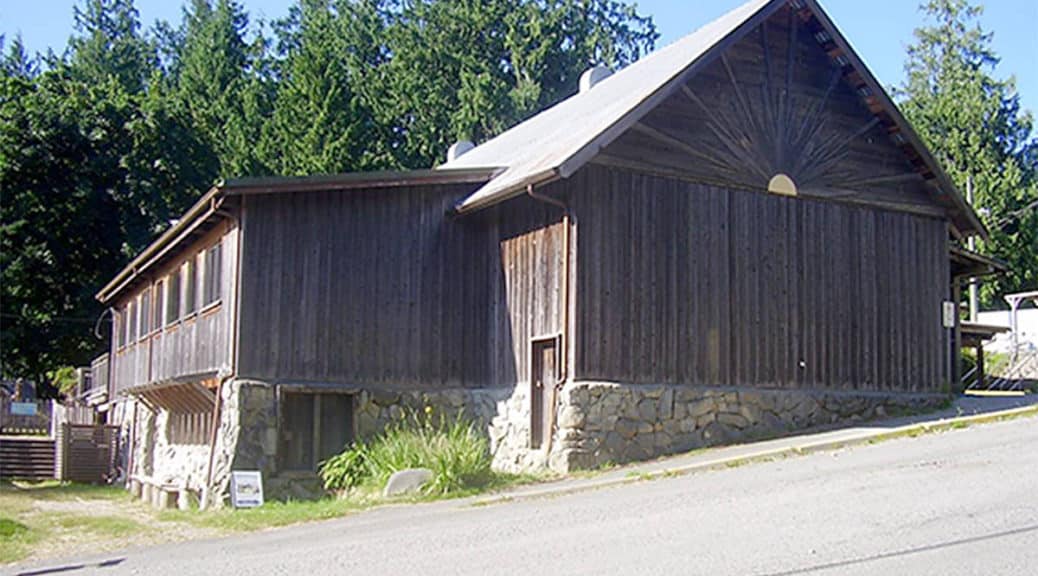
Our Community Halls Belong to Us All…
On Saturday, October 26, Cortes Islanders will finally get the opportunity to vote on an important question: Are we willing to support our Community Halls by paying for their core operating costs with a property tax service administered by the Strathcona Regional District?
During all the fire and fury over Cortes’ proposed “Hall Tax,” it occurred to me that the problem of increasing difficulty in operating and maintaining our Community Halls can hardly be unique to Cortes. Surely other communities are facing similar challenges; it would be worth finding out how (or whether) they were solving the problem. So I set out to investigate the funding basis of as many coastal community halls as possible, in communities not too different from our own: smallish, rural-ish, remote-ish.