All posts by Rochelle Baker

Rochelle Baker is a staff reporter with Canada’s National Observer, thanks thanks to a grant from the Local Journalism Initiative of the Government of Canada. She previously worked as a newspaper reporter and photographer in BC’s Lower Mainland for over 7 years.

B.C. islanders bid adieu to their Queen who reigned for nearly 60 years

National Observer, Local Journalism Initiative Reporter

Editor’s note: the 40% increase of capacity on the Campbell River-Quadra run will undoubtedly translate into more traffic using the adjoining the Quadra-Cortes Island ferry.

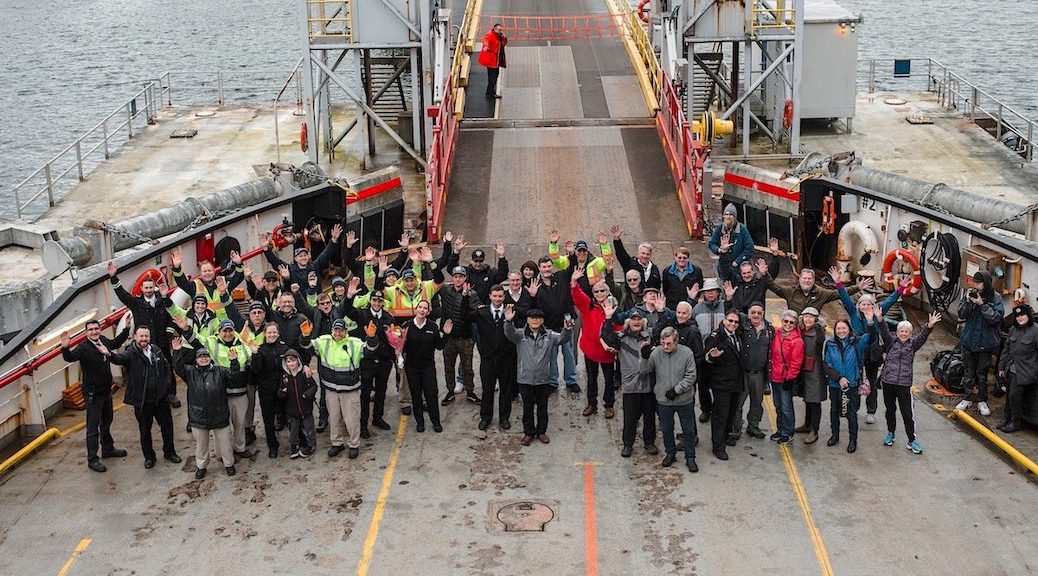
Quadra Islanders braved lashing wind and rain to bid farewell to the queen that for decades dictated many aspects of their lives and reigned over their West Coast community. 

After operating 32 years as the sole vessel serving the small ferry-dependent island — and a full 58 years with the BC Ferries fleet — the ‘Powell River Queen’ was retired from service on Jan. 17. 

Continue reading B.C. islanders bid adieu to their Queen who reigned for nearly 60 years

A dozen First Nations in B.C. funded to pursue clean energy projects

National Observer, Local Journalism Initiative Reporter

Editor’s note: Two of the dozen First Nations alluded to this story, the Uchucklesaht tribe and Kwikwasut’inuxw Haxwa’mis First Nation, are on Vancouver Island. The remainder are to the north. None of the reciupeints are in our immediate vicinity.

A dozen First Nations in B.C. are taking strides to reduce their dependence on dirty diesel fuel and secure a clean energy future for their communities for generations to come. 

The First Nations have received a total of $7.1 million to develop alternative-energy projects and improve energy efficiency through a wide range of initiatives in the first round of funding via the provincial Community Energy Diesel Reduction (CEDR) program, developed and operated in co-operation with the First Nations organizations New Relationship Trust and Coast Funds

Continue reading A dozen First Nations in B.C. funded to pursue clean energy projects

The future of rare cold-water coral garden on B.C. coast is still on the line

National Observer, Local Journalism Initiative Reporter

The fate of a rare and splendid coral garden in a remote B.C. inlet is still on the line pending a decision by the federal government to establish interim protections before the fishing season launches this spring.  

However, the First Nation and conservationists striving to protect the trove of large orange coral fans are more optimistic than they were last spring when Fisheries and Oceans Canada (DFO) failed to put a fishing moratorium in place to protect the fragile ecosystem. 

Continue reading The future of rare cold-water coral garden on B.C. coast is still on the line

Prince Rupert port set to ban cruise ships from dumping contaminated wastewater

National Observer, Local Journalism Initiative Reporter

A second port on Canada’s West Coast is proposing a ban on cruise ships dumping contaminated and acidic wastewater while docked to protect the marine environment. 

The Port of Prince Rupert on B.C.’s north coast is taking public feedback until Feb. 5 on changes slated for 2023, including forbidding the open-loop scrubber systems that cruise ships use to clean their exhaust when burning dirty fuel. 

Continue reading Prince Rupert port set to ban cruise ships from dumping contaminated wastewater

Why do oceans matter for climate change?

National Observer, Local Journalism Initiative Reporter

As the climate crisis gets worse, oceans — the planet’s greatest carbon sink — can no longer be overlooked. 

Spanning 70 per cent of the globe, oceans have absorbed nearly a third of the planet-warming greenhouse gas emissions caused by humans and 90 per cent of the excess heat those gases create. 

The heat stored in the Earth’s entire atmosphere is equal to what’s stored in the top few metres of our oceans. If that wasn’t enough, oceans produce more than 50 per cent of the planet’s oxygen and regulate our climate and weather patterns. 

Continue reading Why do oceans matter for climate change?