


The Klahoose Wilderness Resort’s second full season is over.
“We’re only open from May to the middle of October,” explained Chris Tait, the Tourism Manager.
As he reflected on this past season, one word that kept coming up is reconciliation.
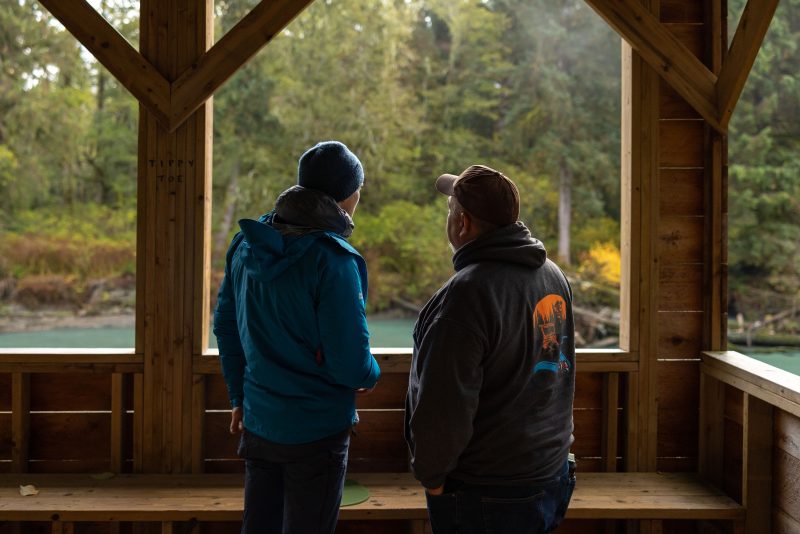
“It’s 100% owned by the Klahoose First Nation. From the beginning, as we built the resort, that was front and center. We wanted all of our experiences at the Klahoose Wilderness Resort to reflect the traditions, reflect the culture. Part of that is a reconciliation piece, bringing people into the Klahoose territory. Making sure we have Klahoose First Nation guides leading those guests, whether they’re going on a boat tour through Toba Inlet – which is my background – or sharing their culture at the Klahoose Wilderness Resort.”
“We have specific cultural sharing that we do in the evenings around a fire in the main lodge. That often starts getting into discussions about reconciliation, sometimes into subjects like residential schools and those kinds of things. We try to keep it light, but it’s part of sharing.”
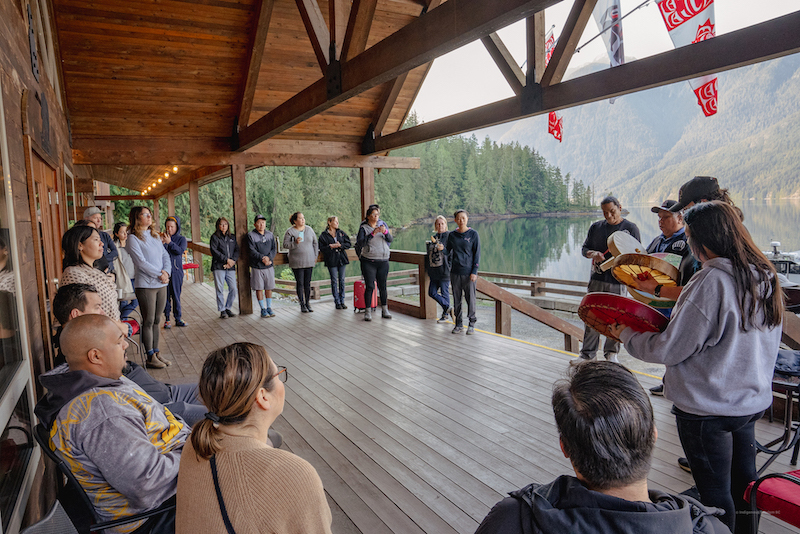
“When the guests arrive, there’s drumming and singing, reflecting the traditional protocol of arriving on shore and being welcomed into the land and the territory. It’s not by me, it’s by our Klahoose cultural interpreters.”
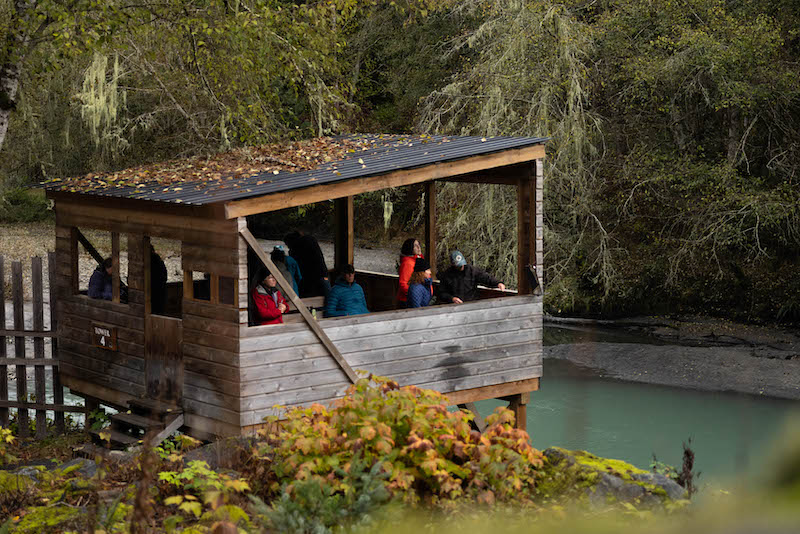
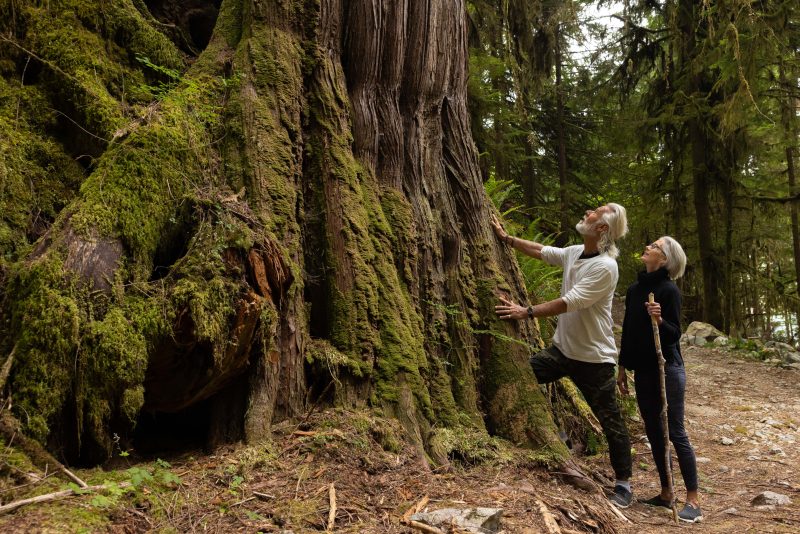
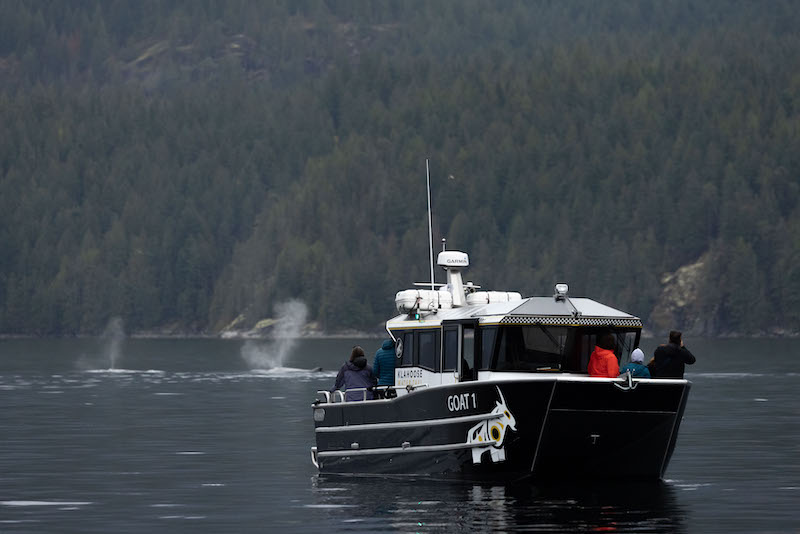
“This whole experience is part of what visitors are looking for. They’re looking to have that really unique special experience with the people that live there. Of course, we’re going to see whales and bears and they’re going to enjoy an all inclusive kind of wilderness experience with all their meals included. There’s lots to do at the resort, but it’s being led by an Indigenous person.”
“We’re working within a capitalist environment, but we’re trying to do that in a way that we can not only make money as a business, but also help support the community. Which means hiring, training, and trying to do our best to make sure we’re honouring those traditions and the culture of the people.”
“Within a tourism environment, it’s not easy. We’ve still got a lot of work to do. This is our second full season. The Klahoose First Nation doesn’t currently have a cultural department, so we work with our culture ambassadors as a connection to their community. They’ll go back to their knowledge keepers, or elders or family, and work on what cultural sharing they can do and what they can’t.”
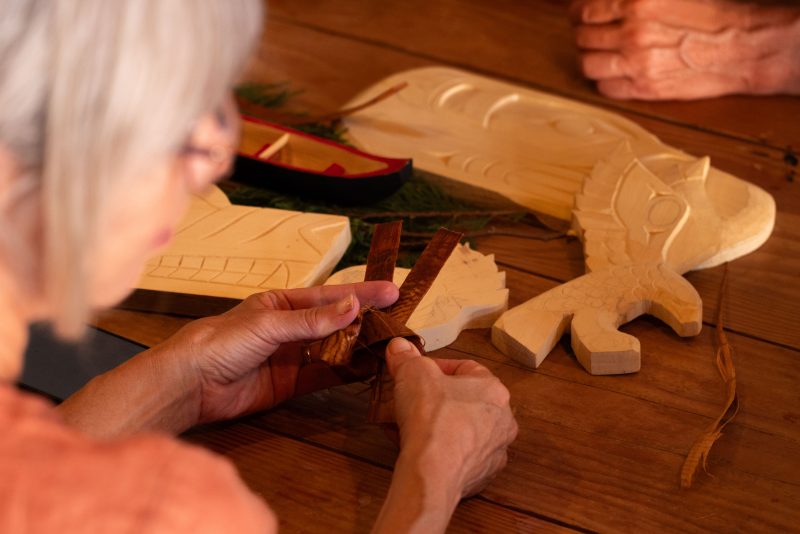
“In turn, they’re actually learning about their own culture which is really an exciting part of it. Then they come back to the resort. We have the space there for them to do that sharing. That happens with the visitors in a very organic fun and meaningful way.”
“Usually, when guests leave they know everyone’s names, have seen their artwork and often have a bit of a tear in their eye as they head out.”
“We asked our guests, ‘why did you choose the Klahoose Wilderness Resort?'”
“They say, ‘well, because you’re sustainable.’ We have a sustainable certification and sustainable power system. That’s important for guests, but sustainability also means sustainability of the people, supporting the people and we’re doing that already.”
“We have a lot more we’d like to do. It’ll take a lot of time to continue.”
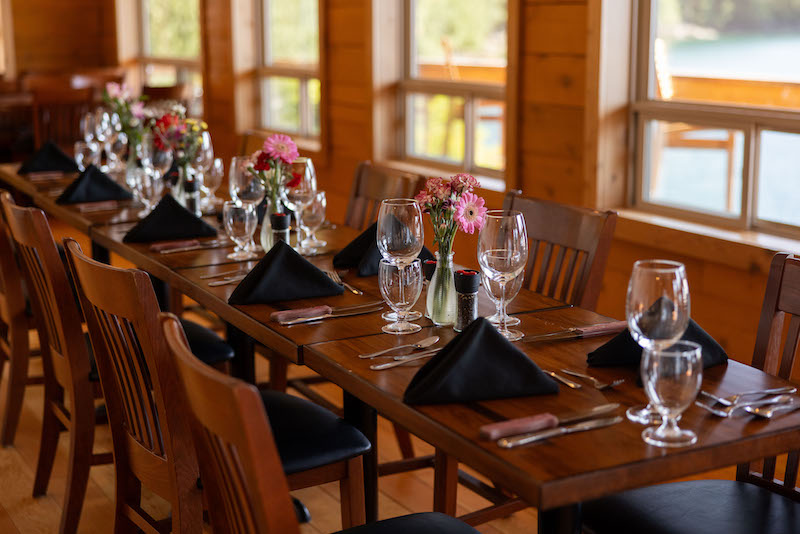
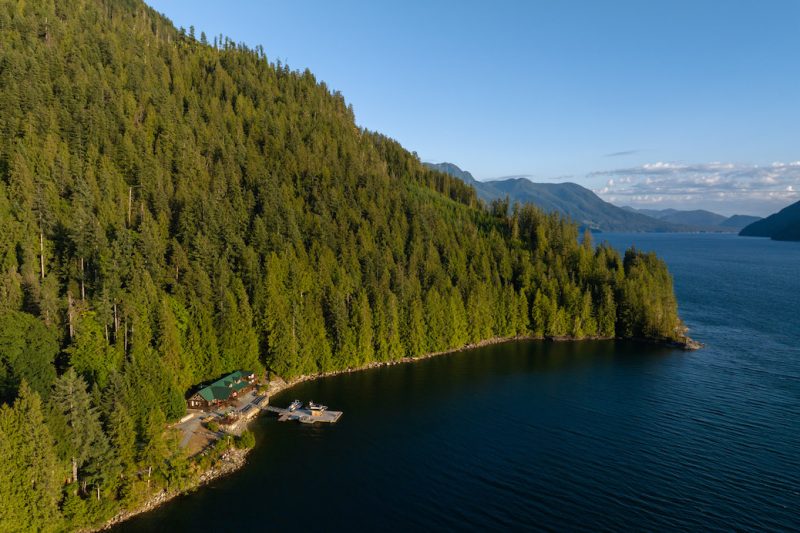
“There’s a lot of work to do as an off grid and digital resort. We only have seven rooms, but we’re not just a hotel. We operate our own tours with boats. We operate a full kitchen with chefs that are producing all the food for the guests. We have a bar with bar service.”
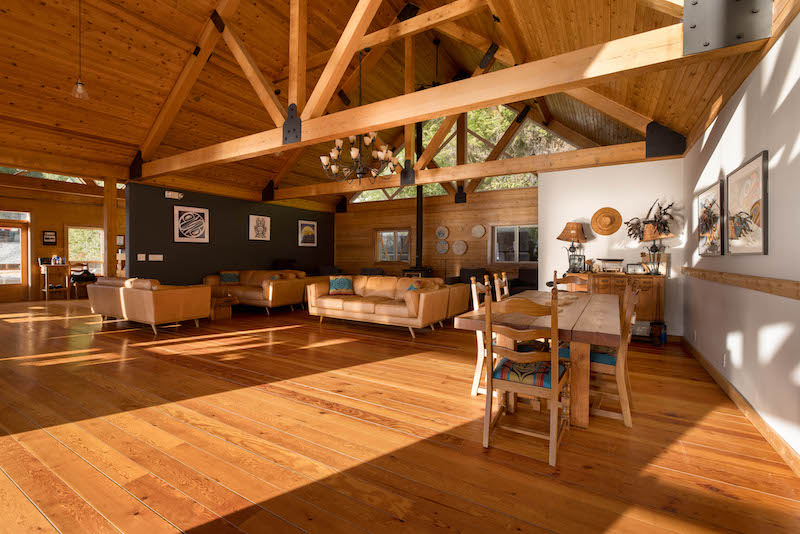
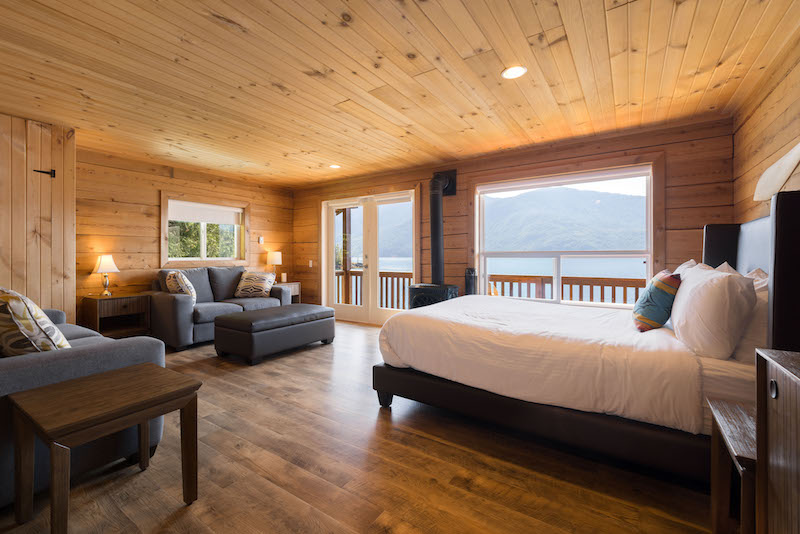
“This year we invested in renovations. We completed the renovations of all the rooms and the main lodge. That includes things like furniture and window coverings, but it also included adding Indigenous art, local Indigenous art to the walls. We added a new kitchen. The clean energy system was turned on this year and is powering the entire resort with sustainable hydropower right from the creek beside us.”
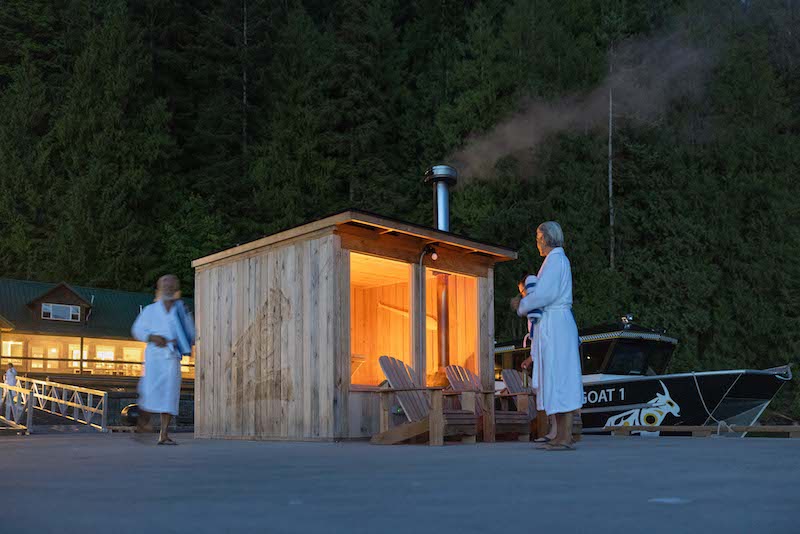
“The new dock was in place last year, but we added a brand new cedar sauna on the dock – which is amazing! That’s probably the biggest highlight. Not just for guests, our staff love it, too. It’s made from local cedar. We added a couple of cedar paddles made by Klahoose members on the wall, giving a real sense of place. Floating on the dock in the middle of this beautiful, expansive wilderness is in a hot cedar sauna. You can jump in the ocean, swim in the water, then head back into the sauna.”
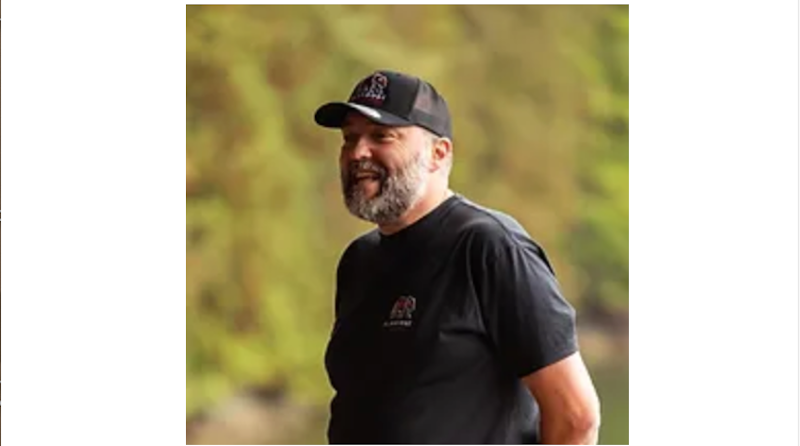
“We have a brand new manager as well, Marciej Szarecki. He’s got a lot of experience in hotel and hospitality. Marciej worked for Canadian Mountain Holidays, some hotels in Vancouver and other cities. He’s going to work on all the operations of Klahoose Wilderness Resort and work with the chefs who are buying food and hiring and training and making sure that’s all organized. But the manager, he’s behind the scenes.”
“When guests arrive, it’s those Klahoose First Nation cultural interpreters that welcome them with a drum and a song. Marciej may join in with a drum, because we’re a very small team, but the cultural part is led by the Klahoose.”
“We added a new tour that goes to Ahpokum, which is Forbes Bay, right around the corner and also part of Klahoose First Nation Territory. We travel there by boat and learn about the significance of the place as a traditional fishing village area. We experience spiritual bathing at Ahpokum, guests can actually swim in the river, and we talk about the significance of bathing in the river for the Coast Salish Nation people. Guests love that, especially in the summer when it’s nice and warm.”
“I work in the marketing side to invite the world, ‘come visit the Klahoose Wilderness Resort.’ I’m going to Germany next week with Destination Canada, and Indigenous Tourism Association of Canada. We’ll be in Berlin at the embassy. We’ll have Indigenous nations from across Canada represented, drumming, singing, food. They’re putting it out to the world that Indigenous tourism is here in Canada and Klahoose Wilderness Resort is front and centre as one of the premier places to choose for that kind of experience.”
“We had a good year, lots of guests from Canada, as usual. Indigenous tourism has become extremely of interest to people in the United States now, it wasn’t maybe five years ago. People from Germany and the UK are coming for whales and bears, but they’re actually choosing Klahoose Wilderness Resort because you’re going to have those Indigenous guides with you and have that whole wildlife viewing experience with those Indigenous guides.”
“The Klahoose Wilderness Resort has been really successful. We are recognized as one of the top 15 new hotels in the world, which is pretty significant. That was AFAR magazine. We’re not a hotel like a Fairmont, Banff Springs Hotel in Banff, but we were right up against those types of hotels.”
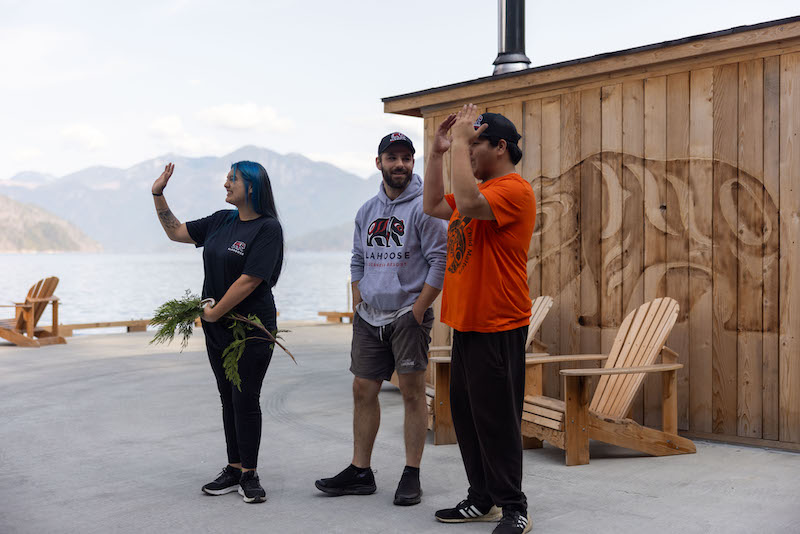
“The travel writer who came and vetted Klahoose Wilderness Resort wrote that she had all those wonderful experiences. Very specifically, she talked about the ‘cedar brushing off’ ceremony. It’s one of the last things we do at the resort. Where, wherever the guests can participate in a ‘brushing off’ ceremony. So that’s her meaningful part, AFAR Magazine recognized that and proclaimed us as one of the top hotels in the world.”
“Those are special things you can’t get anywhere in the world. It’s very specific to the Coast Salish people, Indigenous people of Canada, and in our case, the Klahoose First Nation.”
Top image credit: Guests heading out in ‘Goat 1’ – courtesy KWR
Sign-up for Cortes Currents email-out:
To receive an emailed catalogue of articles on Cortes Currents, send a (blank) email to subscribe to your desired frequency:
- Daily, (articles posted during the last 24 hours) – [email protected]
- Weekly Digest cortescurrents – [email protected]