
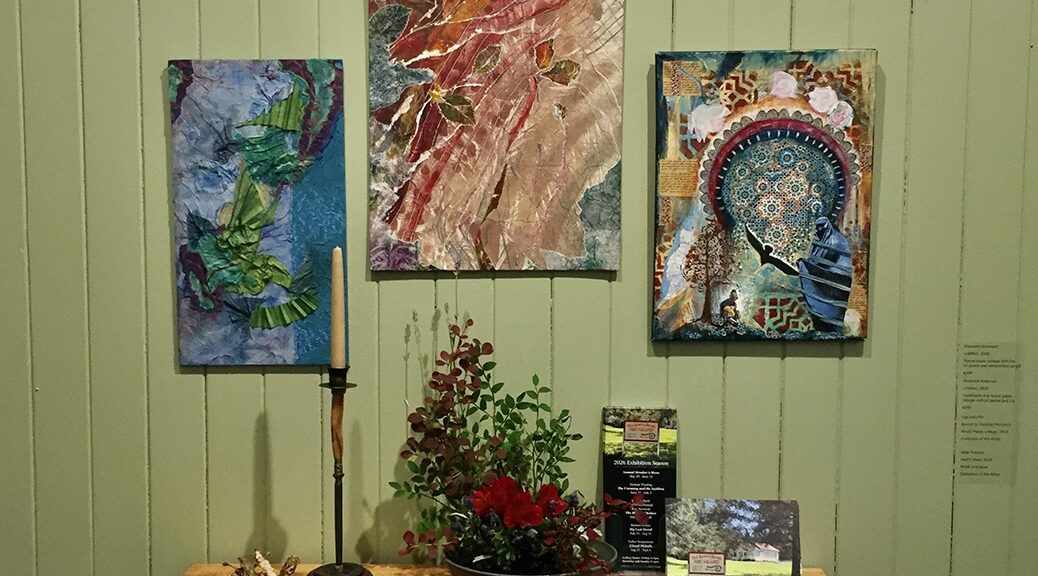
By Christann Kennedy, Old Schoolhouse Art Gallery
The Old Schoolhouse Art Gallery is special. For more than 20 years it has served as a place for artists and art enthusiasts to gather, share new work, and build bonds of community around the desire to make, think, and talk about art. The 2026 Members Show, currently on exhibit at the Gallery, is a beautiful example of this art community in action.
Welcome to the 2026 Members Show
As locals will know, the Gallery hosts an open access exhibition of artwork by its membership each year, where all submissions are accepted. When the art arrives at the Gallery, it comes as a surprise. There is no advance planning about what works will be shown, what themes will emerge, or where individual pieces will be placed. The process of arranging the exhibition unfolds in an organic way, as members of the installation committee look for visual and thematic connections between individual pieces and create groupings of works that have something to say to each other. The resulting exhibition is always eclectic and surprising, and this year’s presentation is no exception.
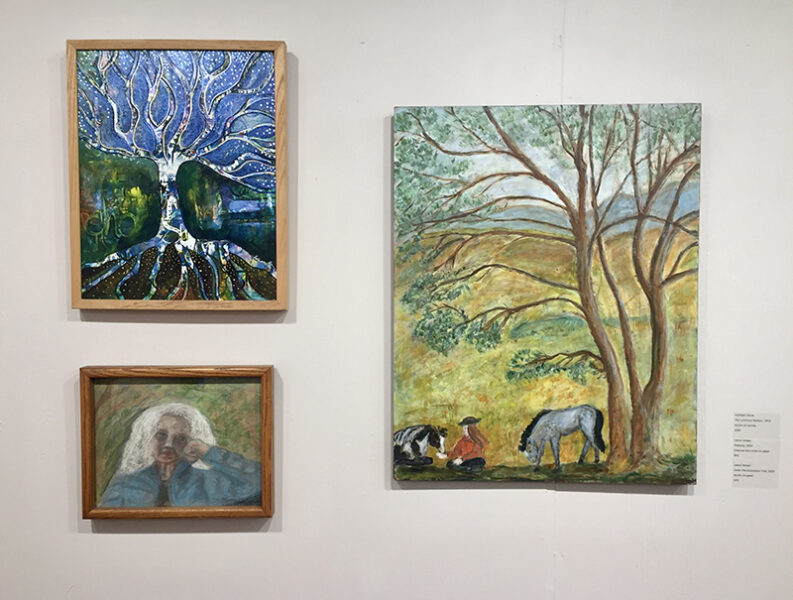
Fig. 2. The Luminous Mystery by Kathleen Horne, Relaxing by Leona Jensen and Under the Eucalyptus Tree by Leona Jensen
In keeping with the tradition set in motion by the recently-departed and much missed Kristen Scholfield-Sweet, who served on the Gallery Board for many years, we can look at the current exhibition as an opportunity to deepen our thinking about art and learn something new about technique, composition, or subject matter from the works on display.
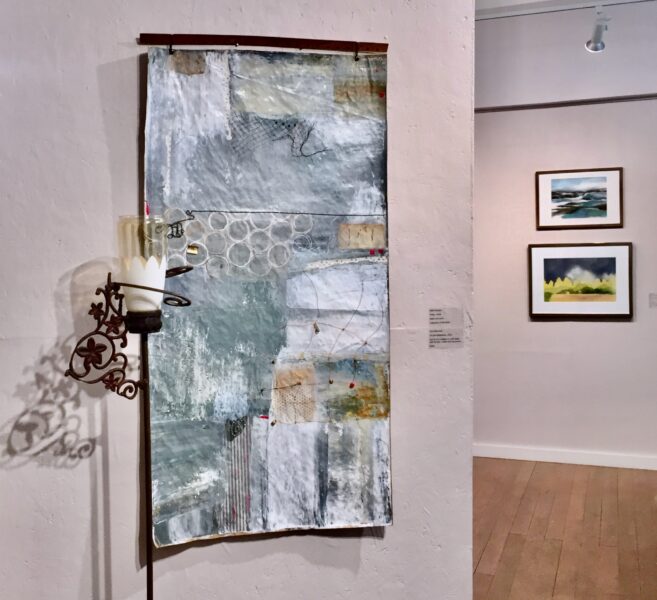
Fig 3. Frisky by Dale Thomas, we are all ephemeral by Jane Newman, Flying out of Camp/Arctic Spring and Storm Light by Brigid Weiler
As readers will recall, Kristen wrote a review to accompany each show. She approached these articles as the teacher that she was: often nudging the reader/viewer to slow down when looking at art, to really SEE, to keep an open mind and let the artwork reveal itself on its own mysterious terms. Kristen asked a lot of questions to stimulate our own thought. In honour of this legacy, let’s take a minute to ask the following questions:
1) How does scale affect the viewer of an artwork?
2) How does representation function?
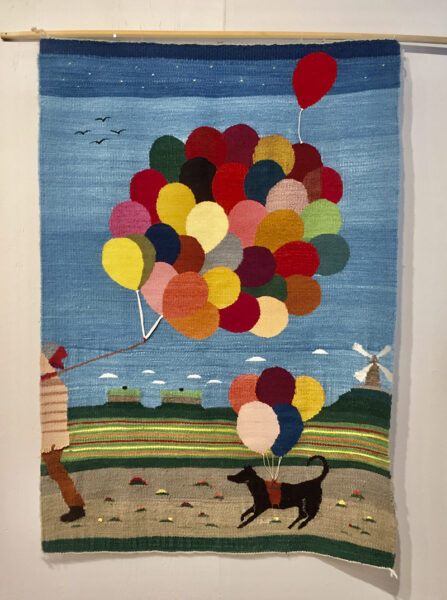
Fig 4. Woven Tapestry by Gabriel Dinim
Group show and learning
In a world where we regularly see reproductions of artworks in books and on screens, it is easy to forget that the scale of an artwork is a primary aspect of form that contributes tremendously to the creation of meaning. For example, a huge mural offers a totally different viewing experience than a tiny illustration.
Very large work addresses the viewer in an immersive way, filling up our whole frame of vision and inviting a full-body response, as if we could step right in and become part of its world. By contrast, a very small piece invites a viewer to step closer and get intimate with the art, to participate in a more private and contemplative viewing experience.
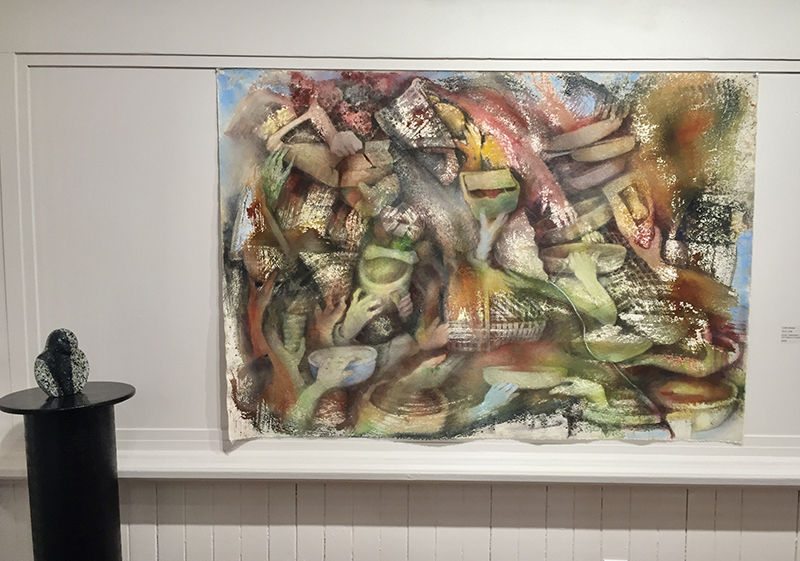
Fig 5. Picnic by Judith Williams
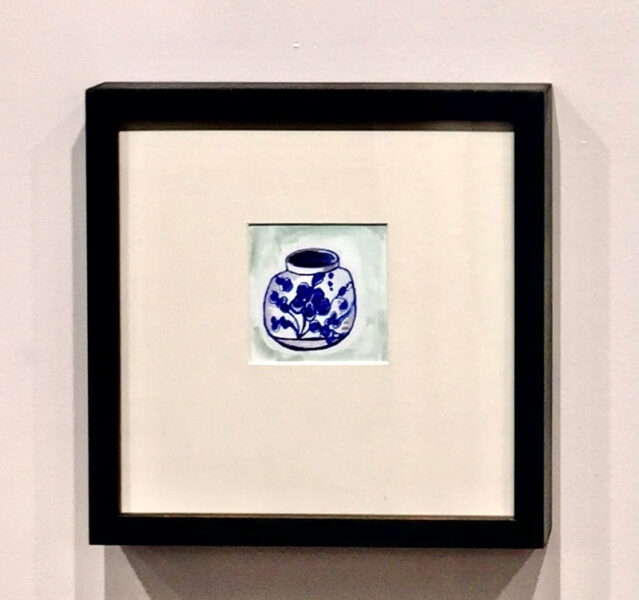
Fig 6. Study No.1 by Melanie Boyle
The Members Show also contains a selection of different approaches to representing the world. In art school, I learned that there are three main types of representation. The first is “mimetic” or “naturalistic” representation, where the artwork “looks like” the subject it refers to. Highly realistic painting is one example of naturalistic representation
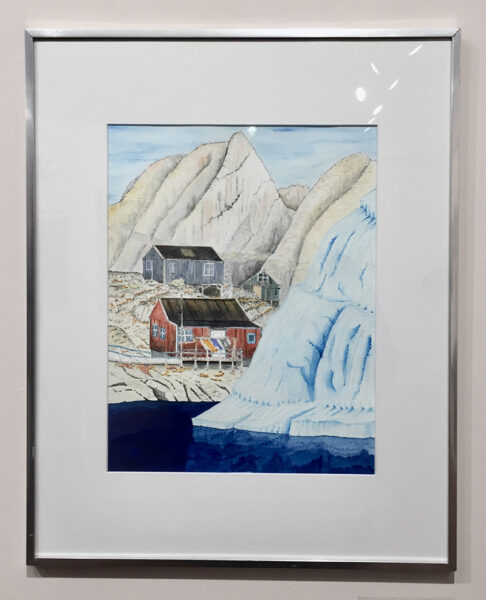
The second type of representation is known as “symbolic.” It occurs when we can recognize and name the image in the artwork, but the rendering is stylized or abstracted to some degree, departing from the literal surface appearance of its subject matter. In symbolic representation, the artist may be involved in a more idea-based or imaginative relationship with the image.
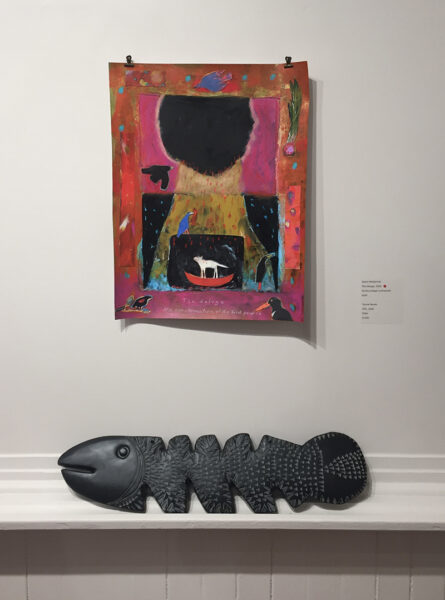
Fig 8. The Deluge: Consternation of the Bird People by Karen McDiarmid and Fish by Donna Naven
Symbolic representation is a tricky category that can include a lot of types of art, from stylized figurative illustrations to highly abstracted metaphysical diagrams, to name only two examples. In some cases, a symbolic representation can look fully abstract while offering a visual interpretation of an experience or idea that cannot be depicted in a straight-forward way.
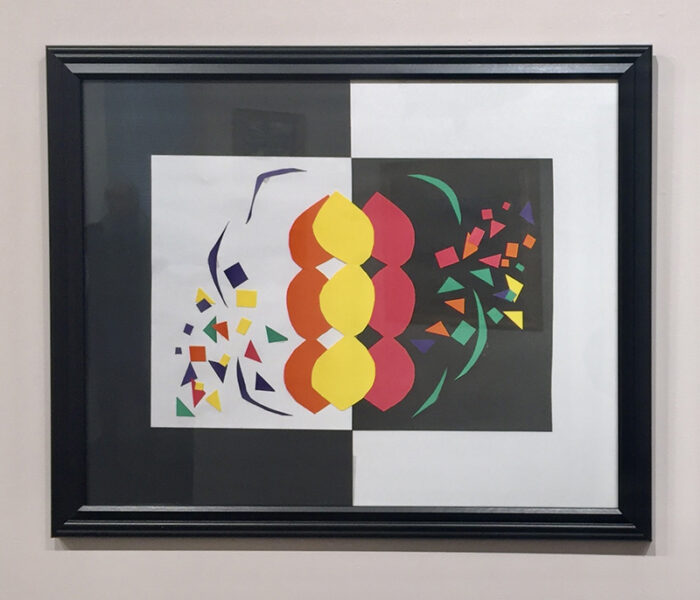
Fig 9. Light and Dark and Spark by Pamela Boles
The third type of representation is called “indexical.” The index occurs when the image has been created by the actual object being represented. For example, when you press your hand into wet sand, the impression that remains is an index. This type of image can be quite evocative, because we recognize we are only seeing the residue of something now absent. Plaster casts of children’s feet are a great example, as the impression remains long after the child has grown and moved across the country. The index inherently refers to the absence (or loss) it represents.
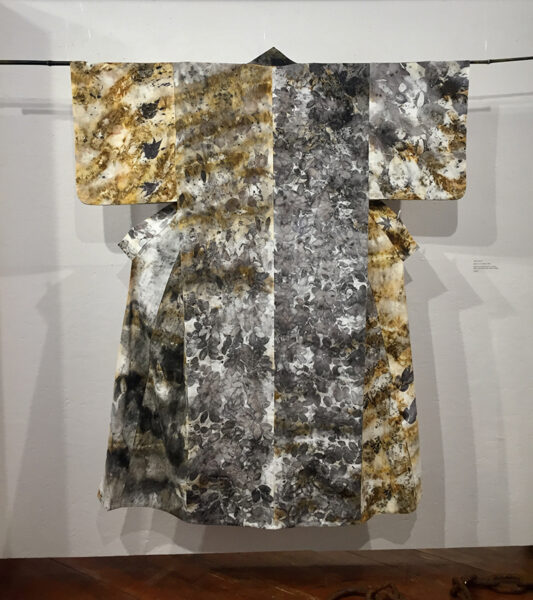
Fig 10. Memory on Yukata by Ayami Stryck
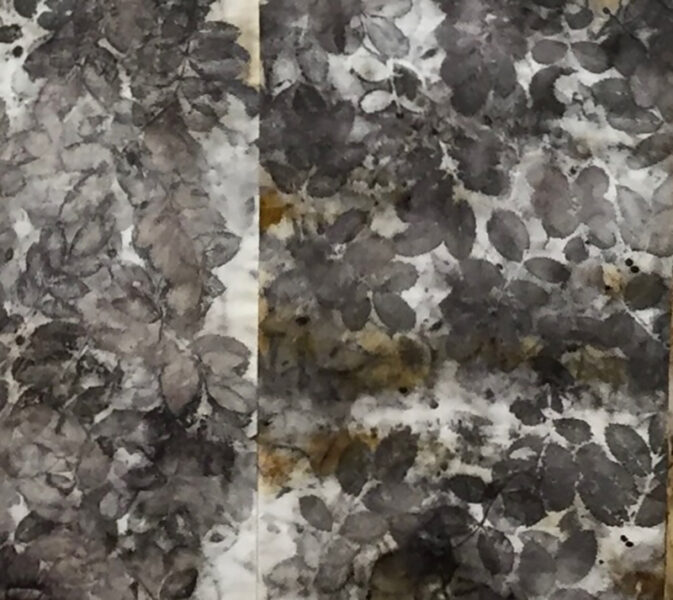
Fig 11. Memory on Yukata (detail)
For me, the most wonderful thing about a work of art is that it gives us access to an aspect of the artist’s inner life. This seems particularly compelling on this small island, where many of us are familiar to each other. We know each other from the school, or the store, or the community garden; as parents, or professionals, or volunteers. But we may know little of the daydreams, nightmares or aspirations of the people we see daily. People have a depth and interiority that is generally invisible, but the Members Show gives us a series of glimpses into this inner life, and an opportunity to know each other more deeply. I think this has tremendous value.
When you revisit the Members Show this year, ask yourself how the scale of the work affects you, and how the artist is using representation to speak about their inner life. If time allows, spend a few minutes with the booklet of Artist Statements that has been compiled for the show. I think you will find we are blessed to live in the company of some very thoughtful, sincere and creative souls here on Cortes. For all of us here at the Old Schoolhouse Art Gallery, it is an honour and a privilege to exhibit their work.
Thank you very much to the artists who contributed to the 2026 Members Show; Andi White, Ayami Stryck, Brigid Weiler, Caz Ratcliffe, Christann Kennedy, Dale Thomas, Darshan Stevens and Cove Starling, Denise Drury, Donna Naven, Elizabeth Anderson, Gabriel Dinim, Holger Schramm, Iris Steigemann, Jane Newman, John Mottishaw, Judith Williams, Karen McDiarmid, Kathleen Horne, Leona Jensen, Martha Abelson, Meinsje Vlaming, Melanie Boyle, Nick Reed, Pamela Boles, Tamlyn, Vijen Vijendren, and Zyla Schmidt.
Thank you also to everyone who has visited the Gallery and been a part of our community. We appreciate you.
Top image credit: Fig 1. Welcome to the Members Show 2026. Dad’s Steel (candlestick) by Dale Thomas, Untitled by Elizabeth Anderson and Bound by Religion/Morocco by Caz Ratcliffe