Category Archives: Energy

Regulator approves TMX plan to trench through ‘extremely sacred’ Secwépemc site

Editor’s note: Another example of the conflict between industry and First Nations Sacred sites.

By Aaron Hemens, IndigiNews, Local Journalism Initiative Reporter

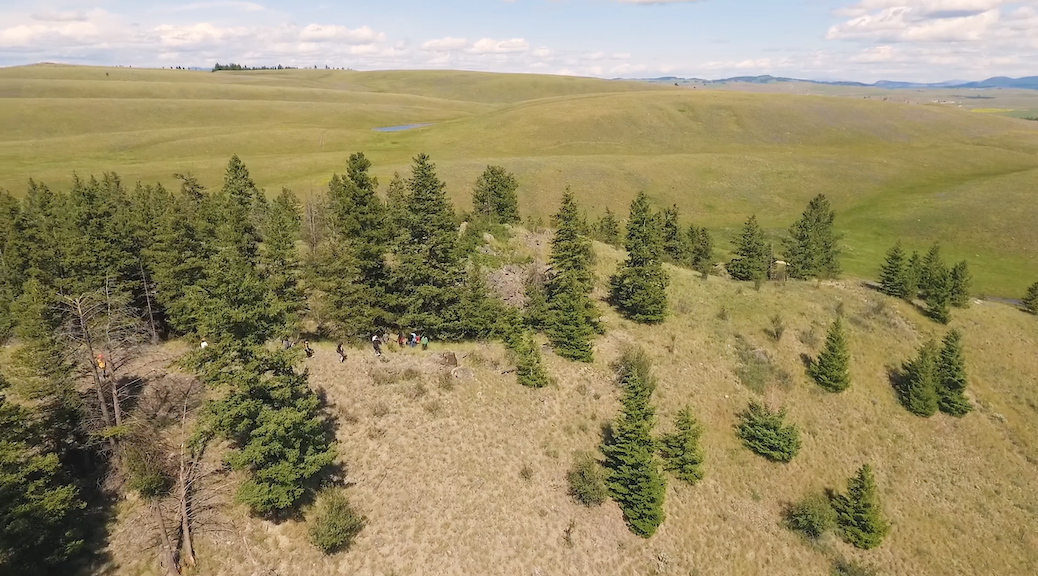
A Secwépemc knowledge-keeper is outraged after Trans Mountain was given approval from Canada’s energy regulator to trench through an important cultural site to build its pipeline expansion — calling the project colonialism personified.

“Evil is putting it lightly,” said Mike McKenzie, who is from Skeetchestn.

Continue reading Regulator approves TMX plan to trench through ‘extremely sacred’ Secwépemc site

Canada makes good on promise to end fossil fuel subsidies, with exceptions

Editor’s note: a decision that will affect all of us.

By Natasha Bulowski, Canada’s National Observer, Local Journalism Initiative Reporter

Canada now has a set of guidelines to restrict federal subsidies to the fossil fuel sector, albeit with numerous exceptions.

The long-awaited announcement delivers on the federal government’s promise to end inefficient subsidies to the fossil fuel sector by the end of 2023. In Environment and Climate Change Minister Steven Guilbeault’s words, the framework ensures funding and tax measures from federal departments only go “to projects that decarbonize the sector and result in significant greenhouse gas emission reduction.” He announced the framework Monday morning in Montreal

The new rules — if applied “with integrity” — should prevent the creation of new handouts of public money to fossil fuel companies most responsible for the climate crisis, said Julia Levin, associate director of national climate for Environmental Defence.

Continue reading Canada makes good on promise to end fossil fuel subsidies, with exceptions

Trans Mountain wants higher tolls, and they won’t cover even half its price tag

By Natasha Bulowski, Canada’s National Observer, Local Journalism Initiative Reporter

Trans Mountain wants to charge oil shippers more to use the Trans Mountain expansion pipeline (TMX), but those increased tolls wouldn’t cover even half of the project’s $30.9-billion price tag.

“There has never been an instance in any western country — that I’m aware of — where tolls have been set below the level required to cover the cost of the operation of a pipeline,” said Thomas Gunton, professor and director of the Resource and Environmental Planning Program at Simon Fraser University in B.C.

Continue reading Trans Mountain wants higher tolls, and they won’t cover even half its price tag

Kitimat: Life in a northern B.C. boomtown

By Matt Simmons, The Narwhal, Local Journalism Initiative reporter

The town of Kitimat, B.C., is folded into a forested valley, tucked back from where the ocean meets the land at the end of a roughly 100-kilometre long inlet. The hub of the community is a jumbled complex of malls with a handful of shops, restaurants and offices serving the population of around 8,000. You can’t see the ocean from here or the sprawling industrial complexes that crowd the waterfront.  

Kitimat was settled on Haisla lands in the 1950s, a planned community built on a promise of prosperity from the Aluminum Company of Canada, also known as Alcan. The town was designed to serve the company’s energy-intensive smelter, which would be powered by a dam built on the other side of a range of snow-capped mountains. Now owned by international mining giant Rio Tinto, the smelter’s smokestacks have been puffing ever since.

Continue reading Kitimat: Life in a northern B.C. boomtown

Heightened need for clean energy prompts BC Hydro to put call out for new sources

By Mina Kerr-Lazenby, North Shore News, Local Journalism Initiative Reporter

BC Hydro will be issuing a call for new sources of renewable, emission-free electricity, with applications to open in the spring of next year.

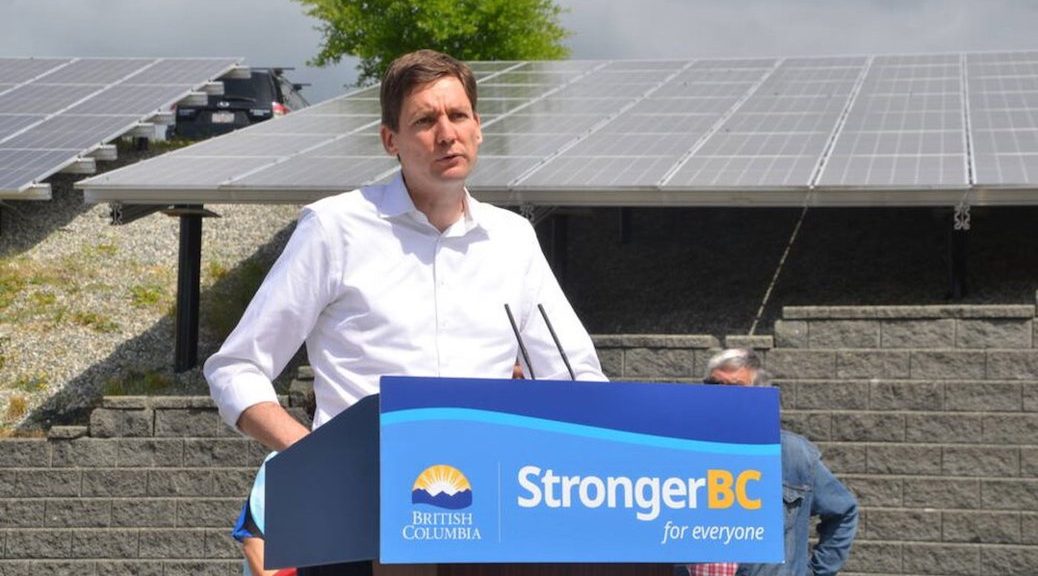
The call out, the first to come from BC Hydro in 15 years, has been prompted by an accelerated need for clean energy, said Premier David Eby on Thursday, at a media event at the Tsleil-Waututh Nation administration building in North Vancouver.

Eby said an additional 3,000 gigawatt hours per year of renewable energy, enough electricity to power 270,000 homes in B.C, is needed by 2028 – three years earlier than previously estimated.

Continue reading Heightened need for clean energy prompts BC Hydro to put call out for new sources