
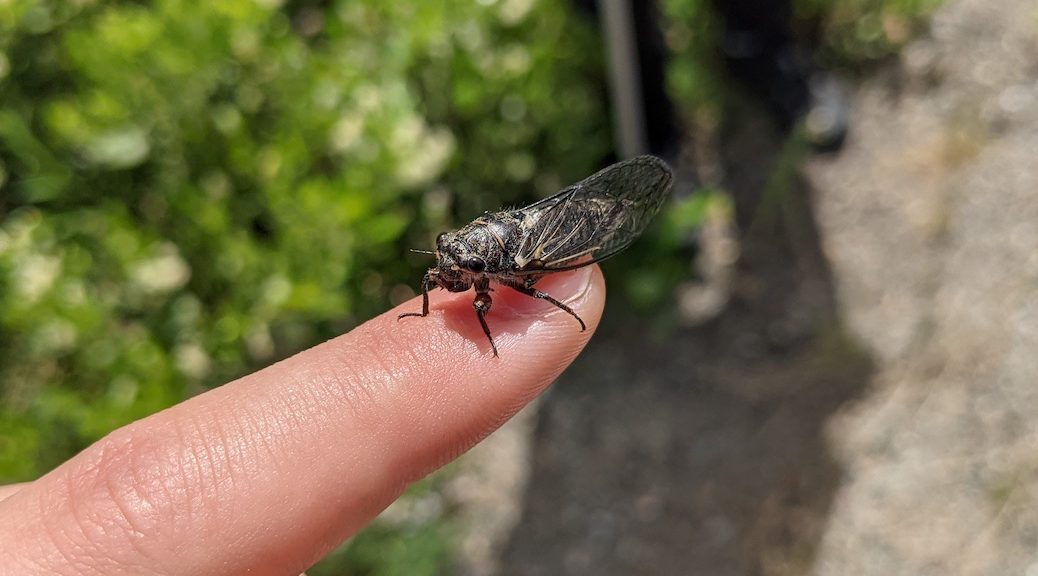

Sean Nightingale, from Wild Cortes, will be giving a presentation about insects, at the Cortes Island Regional Library from 5:30 to 7;00 tonight.
“I’ve grown up being super interested in biology. I’ve focused on restoring ecosystems. Insects play an important role. They’re one of the most numerous animals that we have on the planet. They play an important role in ecosystems when it comes to habitat creation,” he explained.
“I do a lot of talking about stuff on the seashore, the forests and talking about insects, reptiles and amphibians as well. If someone had a question, like, ‘what’s this bug?’ – I was always the one who was picking up the bugs and didn’t mind showing people.”

CC: Tell us about some interesting insects.
SN: “One of my favourites are Cicadas. They will go through these life cycles where, after the eggs have been laid, they live underground for up to 17 years as nymphs and after that period they emerge as adults. A lot of other animals, birds especially, rely on these cycles of cicadas emerging and creating a bounty of food.”
“There’s a lot of different types of mimicry within insects.”
“A couple of times someone would have this insect land on them. They think it was a wasp or a bee and get freaked out about it, but you get these cool mimics. Certain moths especially, and different flies will mimic bees and wasps. They do a great job of making themselves look very similar to another species that would be harmful to whatever’s trying to eat them and that helps them survive. I find that super fascinating.”
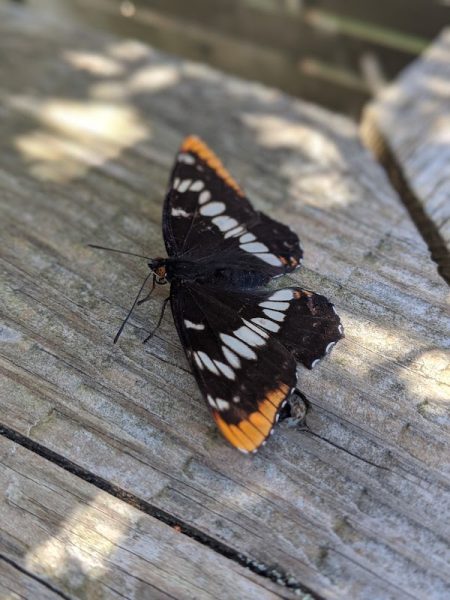
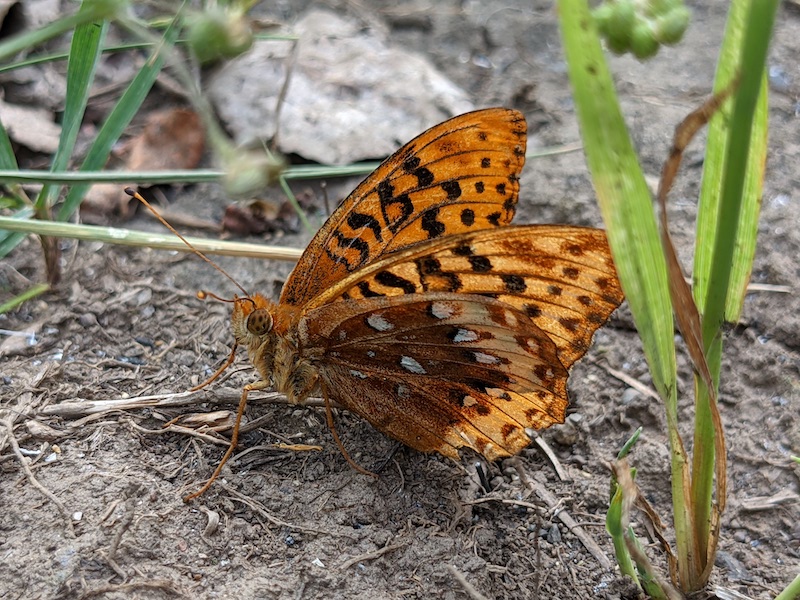
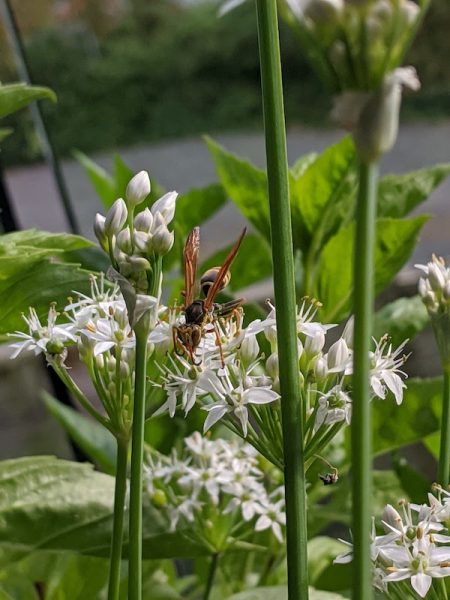
“There’s some really cool parasitism in insects, a little bit horrific at times. For example, Bot Flies parasitize usually on rabbits and hares. We’ve been seeing them parasitizing squirrels and we’ve been seeing a lot of mice with Bot Fly larvae about that big.”
CC: This is radio, how big is that big?
SN: “Maybe an inch and a half, maybe two inches. The Bot Fly lays an egg on an animal, that egg hatches and then the larva will burrow into the skin of the animal and grow to like an inch or two inches long. At that point they pupate, they emerge from the animal as the adult fly – at which point they go and restart the cycle again. It’s been neat to see the way they’ve been parasitizing different species, because the Bot Flies around here usually would only be parasitizing hares and rabbits.”
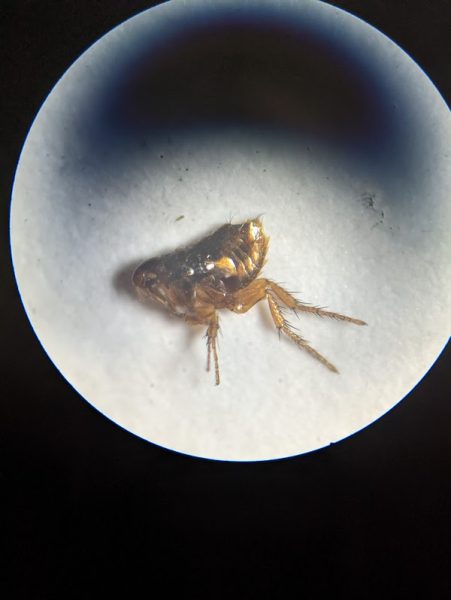
“Another cool one is wasps that parasitize spiders. There’s a bunch of different species of them and they’ll focus on different species of spiders. They’re able to use their hooked legs to hook onto a spider, sting it to paralyze it and after paralyzing it, they can then carry it over to a burrow that they create. They lay eggs on it as well. Then those eggs hatch, and burrow into the host. Because the spider’s been paralyzed, it’s still alive and stays fresh after those eggs have hatched. The larvae will consume the spider from the inside, which is terrifying but really incredible.”
CC: What avbout worms, as a species that is beneficial to the environment.
SN: “I won’t be talking much about worms because they’re not insects. They’re another example of a Detritivore. I’ll be talking about those more generally, but they do a great job of keeping our forest floors clean and breaking down a lot of plant and animal matter. Without all these Detritivores, we’d be knee deep and all kinds of stuff that we don’t want. It could potentially affect our health. So having a lot of these Detritivores species around does a big help in keeping things tidy and breaking down nutrients to recycle it back into an ecosystem. Being able to break down those nutrients and make it more available for the plants really helps rejuvenate a whole system.”
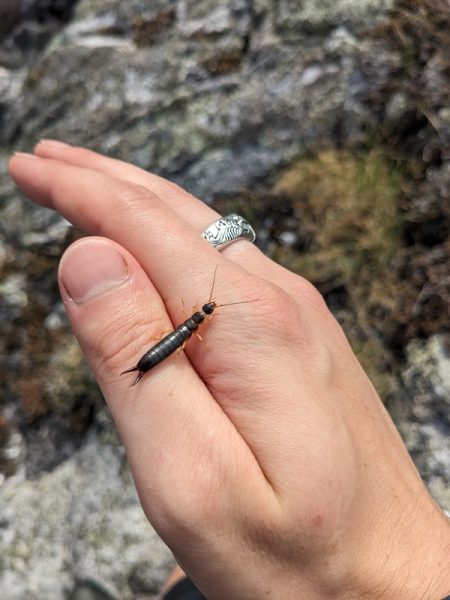
CC: Are there any species that we would recognize more easily by other names than detritivores? You just mentioned worms, are there other detritivores?
SN: “Earwigs are Detritivores; different species of beetles, not an insect, but slugs and snails also are detritivores; Springtails, Isopods, again, not an insect, but a type of Arthropod that are also Detritivores that all work to break down that organic matter.”
CC: Are there any other species or stories you want to share?
SN: “Ants and termites are shaping ecosystems as well. Ants are making these really deep burrows in the ground. They also have an interesting communal relationship with other ants. They have agriculture. A lot of these ants will collect plant matter from trees and other shrubs and herbs and take those down to the burrows. They use that to feed this mother fungus that they have. The fungus grows, then they are able to break off pieces of that to consume and keep themselves alive. I think that’s really amazing that something so small as an ant has figured out how to cultivate crops and harvest them.”
This has been Sean’s second year as a summer intern at Wild Cortes.
CC: Where is your interest in insects going? Do you hope this will lead to a career?
SN: “My interests have been very general, but I’ve tried to focus on insects, reptiles, amphibians, stuff like that.
“I’ve done some insect surveys, which is an amazing experience, getting to go out in the field , collect insects and build up that scientific knowledge that we have on them, knowing where insects are, what times of the year. I’d love to do more of that. The other thing is being involved in actual restoration work. A lot of this can be involved with government agencies, but also more kind of local stuff. Creating restoration plans that will be used to mitigate some of the effects that we’ve seen from human disturbance.”
“Creating bioswales is a great example. If there’s a large paved area that people have made and there’s lots of runoff from those areas that will have a lot of chemicals and stuff from fuel consumption, Bioswales are vegetated areas that are able to soak up a lot of those hazardous materials. Also creating actual restored environments, such as wetlands, to really help out certain species.”

CC: Is there anything you would like to add?
“Restoring environments has been such an important thing to talk about now, with all the changes we’ve been seeing. Especially this summer, we’ve seen how bad the wildfires have been getting, these droughts and dry periods that we see. Just placing a huge importance on wanting to learn more about this and actually do something to fix the issues that we’ve caused.”
“You can really tell a lot about how degraded a habitat is by studying insects. That’s one of the main reasons why I find them so interesting. If something’s not functioning properly, a lot of time the first thing you’ll see is a change in the insect community. They act as a great indicator species.”
Top image credit: A Cicada – Photo by Sean Nightingale
Sign-up for Cortes Currents email-out:
To receive an emailed catalogue of articles on Cortes Currents, send a (blank) email to subscribe to your desired frequency:
- Daily, (articles posted during the last 24 hours) – [email protected]
- Weekly Digest cortescurrents – [email protected]