

There have been thousands of scientific studies warning about global warming, but one of the most chilling is a new report advocating the adoption of a combined rooftop solar and wind turbine energy in Canadian cities. Professors You Wu and Lexuan Zhong from the University of Alberta aren’t warning anyone about climate change. They base their projections on the assumption global temperatures could rise to 2.°C above pre-industrial levels in as little as fifteen years and to 3.5°C sometime between 2070 and 2090.
Their assumptions are not unreasonable. Global carbon emissions from fossil fuels are expected to rise by another 1.1% in 2025. The environmental think tank Berkeley Earth believes if every nation on the earth fulfilled all of its conditional and unconditional promises it might be possible to keep the rise to 2.5°C. According to the latest IPCC report, if humanity continues to not address the climate crisis, global temperatures could rise by 3.3ºC to 5.7ºC by the end of this century.
Most scientists believe a 3.5°C rise above pre-industrial levels would result in ecosystem collapse, widespread species extinction, and extreme weather events will become commonplace. Vast parts of the globe would become uninhabitable for humans and millions would die, but our species would most likely survive.
Wu and Zhong wrote that urban areas are responsible for 75% of global energy consumption and 70% of global emissions.
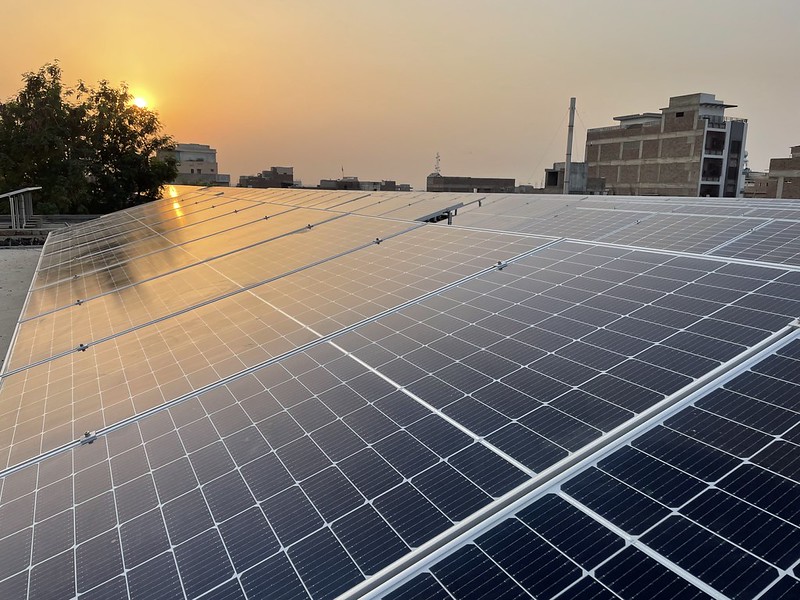
After modeling the energy future of eight Canadian cities, they concluded that as the climate heats up, a wind-solar combination could decrease energy costs by 40%.
“Furthermore, technological advancements could contribute to an additional 5%–20% cost reduction across all energy supply strategies. Hybrid supply strategies consistently offer the best balance of economic viability and resilience in current and future periods, while the optimal single-resource strategy remains highly dependent on local solar or wind resource availability.”
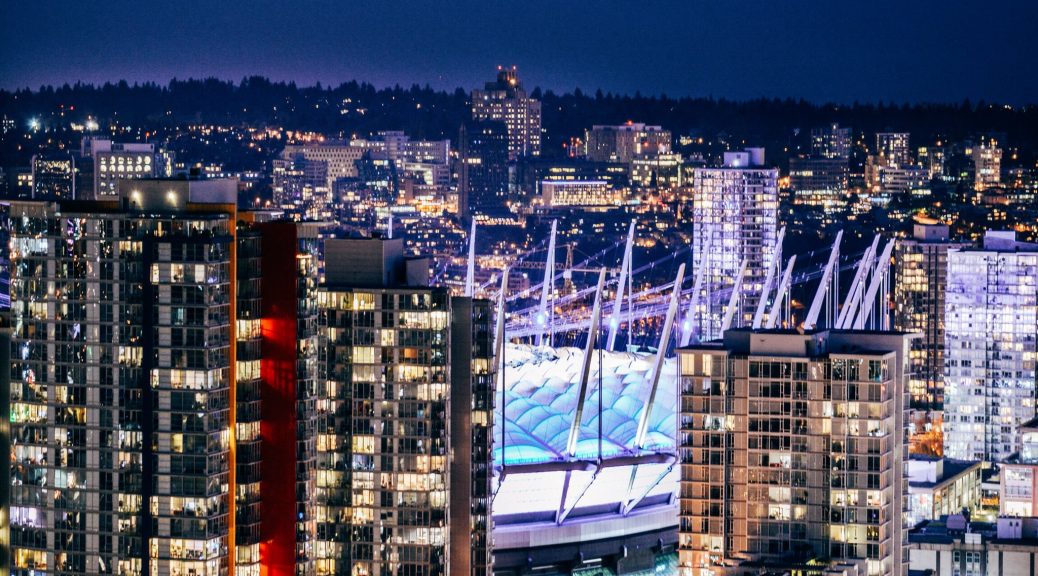
The authors also made some specific predictions for cities like Vancouver:
“Currently, average annual heating demand in Vancouver and Toronto accounts for over 50% of their total energy demands, but this proportion is projected to decline to approximately 20% in future periods. Concurrently, the share of cooling demand in these cities is anticipated to rise above 25%, eventually surpassing heating demand.”
Top image credit: Vancouver skyline – Photo by Alex Costin via Flickr (CC BY-ND 2.0)
Sign-up for Cortes Currents email-out:
To receive an emailed catalogue of articles on Cortes Currents, send a (blank) email to subscribe to your desired frequency:
- Daily, (articles posted during the last 24 hours) – [email protected]
- Weekly Digest cortescurrents – [email protected]