
Tag Archives: Drug toxicity deaths

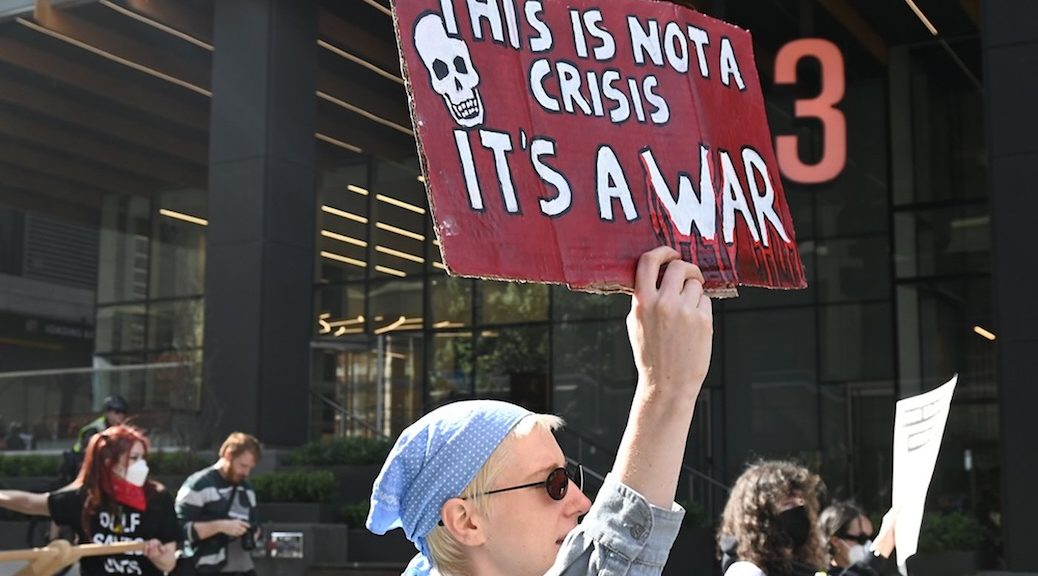
BC’s Toxic Drug Crisis Hits a Grim 10-Year Anniversary

By Michelle Gamage, The Tyee, Local Journalism Initiative Reporter

It’s been four and a half years since Jane McCormick’s son, Jeff, was killed by unregulated drugs. Were he alive, he would have just celebrated his 40th birthday with his two kids.

McCormick said that for the first three years she was filled with sadness. And then she started to get mad.

She’s mad because Jeff’s death, just like the more than 18,179 British Columbians killed by unregulated drugs since April 14, 2016, was preventable.

Continue reading BC’s Toxic Drug Crisis Hits a Grim 10-Year Anniversary

MP Aaron Gunn to host town halls; Cortes Island possible stop

Our local MP, Aaron Gunn, is holding a series of town hall meetings in the North-Island Powell River riding. He will be in Courtenay tonight (Feb 17), Campbell River on February 21, Port McNeil on March 16 and Powell River on March 19.  Gunn may also come to Cortes Island, but the dates have not been set. 

Potential Town hall in Cortes

Aaron Gunn: “ We want to come to Cortes, but if I just come to Cortes with no plan – I haven’t really accomplished anything other than a photo op. So we always try to set up some kind of coffee or meeting where people that live there know that I’m coming and if they want to come and engage, they have an opportunity to do so.”

Continue reading MP Aaron Gunn to host town halls; Cortes Island possible stop

BC’s Drug Response Isn’t Following the Evidence, Former Chief Coroner says


By Michelle Gamage, The Tyee, Local Journalism Initiative Reporter

Former chief coroner Lisa Lapointe recently criticized B.C.’s drug policies, saying the province’s approach to the ongoing toxic drug crisis is not evidence based. 

Lapointe, who was B.C.’s longest-standing chief coroner and held the position for 13 years before retiring in 2024, was speaking as part of a new, ongoing webinar series, “Perspectives on 10 Years in Crisis,” hosted by the Canadian Drug Policy Coalition. 

Continue reading BC’s Drug Response Isn’t Following the Evidence, Former Chief Coroner says

Blue Hat Memorial Project: 50,000 Flags on Tyee Spit

The Blue Hat Memorial Project opens at 10 AM this morning, Tuesday, April 14, 2025. Campbell River artist and city councillor Ron Kerr has installed 50,000 flags at Tyee Spit (ʔUxstalis), representing the number of people who have lost their lives through Canada’s ongoing opioid crisis. 

 “What I really want to do is to stimulate conversation about the gaps in men and boy’s healthcare. These deaths are generally fentanyl drug deaths. If you look at the other results of addiction, alcohol addiction, and other kinds of addiction, the numbers are far higher. I don’t think the men’s health system is doing an adequate job of addressing that,” he explained.”

Continue reading Blue Hat Memorial Project: 50,000 Flags on Tyee Spit

Canada’s billion-dollar border gamble won’t end the drug crisis

Editor’s note: Approximately 0.2% of fentany entering the UnIted States comes from Canada (10 pounds in 2024), the rest comes from Mexico. 98.5% of the US border patrol’s encounters with migrants are on the US-Mexican border – gleaned from a CNN report using US Government sources.

By Richard Young Megaphone Magazine, Local Journalism Initiative

In response to U.S. President Donald Trump’s threat of heavy tariffs, Canada has appointed former RCMP deputy commissioner Kevin Brosseau as the country’s first “fentanyl czar.” 

This role, created to address concerns over fentanyl trafficking across the northern border, aims to ease tensions and avert a potential trade war.

In a statement about the appointment, Prime Minister Justin Trudeau said Brosseau is being asked to work closely with U.S. counterparts and law enforcement agencies to “accelerate Canada’s efforts to detect, disrupt and dismantle the fentanyl trade.”

The idea that fentanyl is being manufactured on such a large scale right here in the province of B.C., considering the volume of it, is a surprise to many communities. There has been an assumption that the deadly drug was primarily coming from China and Mexico.

Continue reading Canada’s billion-dollar border gamble won’t end the drug crisis