
Tag Archives: UBC

Organ donations remain a hard sell among some groups

By Gita Abraham, New Canadian Media, Local Journalism Initiative Reporter

Religions, beliefs, culture, and even local history influence what Canadians — especially immigrants — think should happen to the body after death. These beliefs and traditions surrounding death could impact medical research opportunities. 

In Ontario, medical schools depend on donated bodies to train future medical professionals. ‘Body donation’ involves a whole body given to schools of anatomy for educational and research purposes.

Continue reading Organ donations remain a hard sell among some groups
In Remembrance of Dr Emily Ellingsen, a bursary

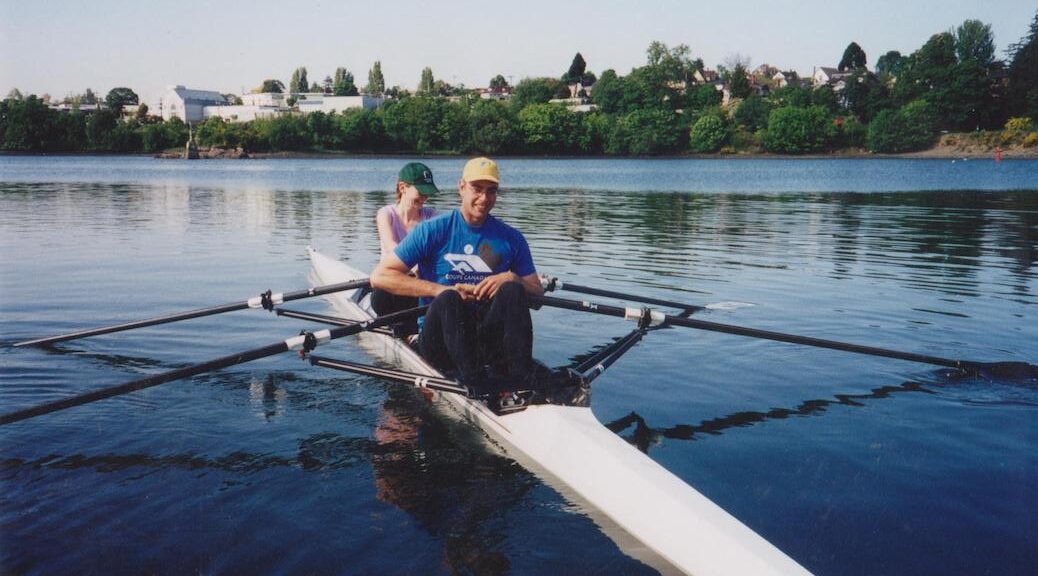
This is the 13th annual cycle for Dr. Emily Ellingsen Memorial Bursaries. She passed away on February 19, 2010 at the age of 31. Applications for two $2,000 Bursaries will be accepted until midnight on August 15, 2022.

Continue reading In Remembrance of Dr Emily Ellingsen, a bursary

Southern Resident Killer Whales are not getting enough to eat, study says

A new UBC study found that the endangered Southern Resident Killer Whale population isn’t getting enough to eat.

As lead author Fanny Couture explained, “The study goes from 1979 to 2020. We were trying to understand whether the Southern Resident Killer Whale population had enough food to eat to sustain their energy needs. So a human needs 2,000 calories a day, a killer whale will need about 170,000 calories a day. What we found is that they were in energy deficits for six of the last 40 years. Some of them are spread out throughout the study period, but three of the last years (in the study), 2018 to 2020, they were in full energy deficits. They did not have enough food in the spring, the summer and the fall.”

Continue reading Southern Resident Killer Whales are not getting enough to eat, study says

One year after the marine die-off

It has been twelve months since billions of marine animals along the West Coast of British Columbia perished during a record breaking heat wave. Temperatures of between 35°C and 40°C were recorded at the Cortes Island School during the last five days of June.

Continue reading One year after the marine die-off

Ancient fish bones may help us adapt to climate change

Editor’s note: Quadra, Cortes and the other Discovery Islands were probably settled 13,000 years ago. The oldest known site, Yeatman Bay on Quadra Island, dates back about 11,000 years.

National Observer, Local Journalism Initiative Reporter

The study of 5,000-year-old fish bones on the West Coast is revealing how Indigenous people adapted to warming oceans — information that could shape present day adaptations and fisheries management as the climate crisis advances, University of Victoria researchers say.

Continue reading Ancient fish bones may help us adapt to climate change