

A wind turbine exploded on the Campo Indian Reservation, in San Diego’s East County, around noon on December 16. Flames spread to the surrounding bush. Two bombers that responded to the emergency were hampered by high winds. The situation might have got out of control, had a helicopter not arrived. Half an acre of brush was consumed, but the flames did not reach any of the neighboring houses.
Continue reading Wind Turbine Catches Fire in CampoAll posts by Roy Hales
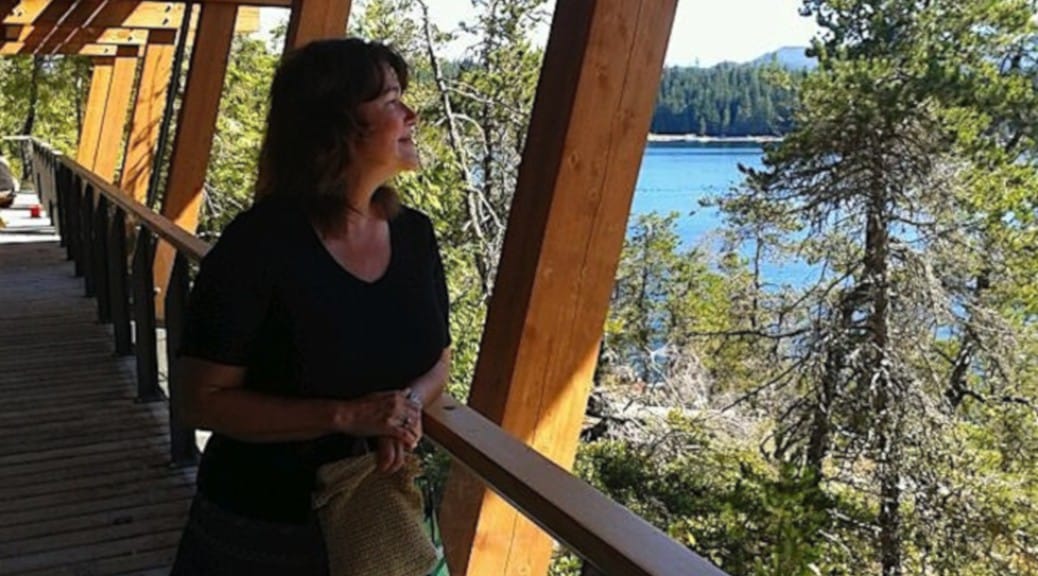
First Nation’s History Seen Through A Village Workshop

I recently took part in a “Village Workshop” at the Klahoose New Relationship Building on Cortes Island, in BC. This is a role playing exercise designed to help people see British Columbian history from a First Nations perspective.
Continue reading First Nation’s History Seen Through A Village Workshop
Boulder and the Spread of Community Choice Utilities
By Roy L Hales

Boulder Colorado’s election results are being heralded as yet another “solar victory,” in a string that stretches back to the Louisiana and Idaho Public Utilities Commissions decisions earlier this year. The relevant questions on the ballot, however, pertain to Boulder’s attempt to join more than 1,300 American communities that have formed their own utility.
Question 310 would have required voter approval before the city issued bonds to pay for Xcel’s equipment and run its own utility, was defeated by a 2:1 margin (21,100 to 9,543).

Tesla’s West Coast Supercharger Corridor Opens
By Roy L Hales
Tesla’s West Coast Supercharger Corridor is now open. Two Model S owners left the San Diego, on October 30, on a 1,500 miles trip to Vancouver BC. They utilized Tesla’s Super Charger stations, now strung out every 200 miles along the I-5, in a leisurely 5 day drive to Vancouver.
Continue reading Tesla’s West Coast Supercharger Corridor Opens
California Cruise Ships: An Environmental Report Card
The ECOreport uses Marica Keever’s 2013 Cruise Report Card to evaluate California Cruise Ships: an Environmental Report Card
By Roy L Hales
According to a report released three days ago, Cruise ships dumped more than 1 billion gallons of sewage in the ocean last year, much of it raw or poorly treated. More than 40% of the 162 ships in the 2013 Cruise Report Card“still rely on 30-year-old waste treatment technology, leaving treated sewage with levels of fecal matter, bacteria, heavy metals and other contaminants harmful to aquatic life and people.”
“It’s time for cruise ships to stop using our oceans as a toilet!” said Marcie Keever, author of the Friends of the Earth report.