All posts by Roy Hales

Coming Soon: The Library’s 90th Anniversary

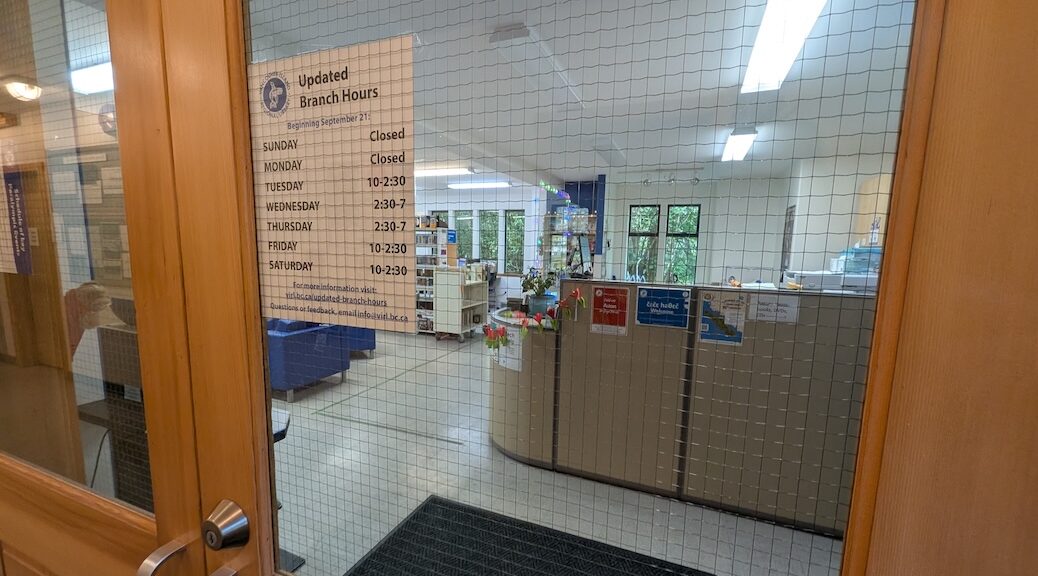
We’re coming up to the 90th anniversary of the Vancouver Island Regional Library. In this morning’s interview Beatrix Baxter, the new Circulation Supervisor at the Cortes Island branch, talks about the library, her love of books and how they are going to celebrate on Saturday, May 30th.

Beatrix Baxter:  “The Vancouver Island Regional Library was established in 1936, and it started off with six library branches, 28 sub-branches, and seven van routes. Now we’re up to 39 library branches and our online branch, which we say is open 24 hours a day, seven days a week, because you can go online anytime.”

“All 39 branches share what we call a floating collection. We all each hold part of the collection. When a library customer goes online to put a book on hold, the call goes out to all the branches that might have a copy of that book. The first one to respond sends the book off, and it goes through our system and ends up here on Cortes, or wherever the person is requesting it from.

“I don’t know how many books we have, but more than five million items are circulated annually. That’s books, magazines, video games, DVDs, TV shows, audiobooks — it’s everything that we have, which is actually quite a lot.”

Continue reading Coming Soon: The Library’s 90th Anniversary
Jennifer Lash on Mark Carney, the MOU and Canada’s low carbon future

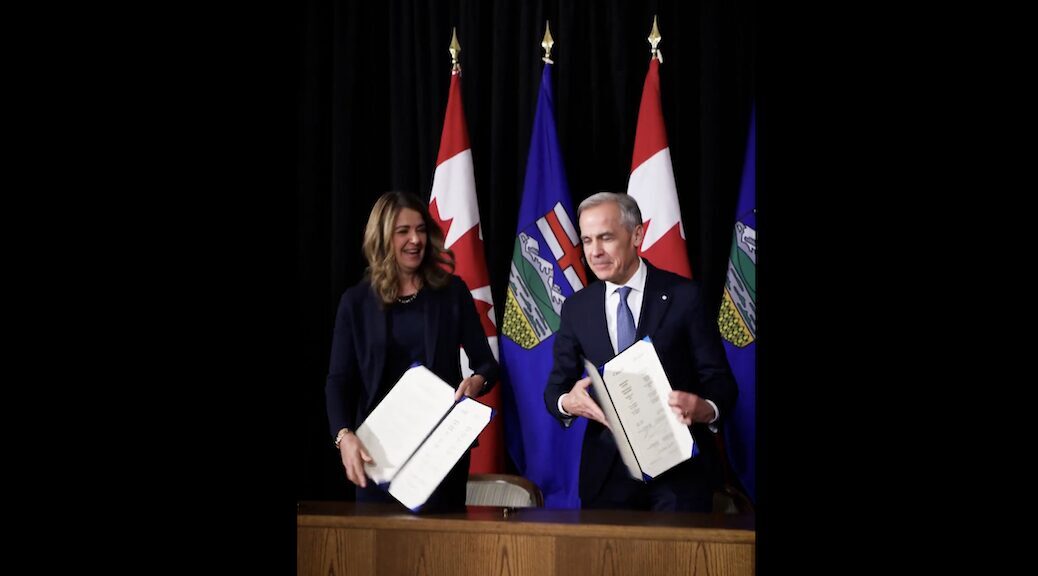
There have been a lot of concerns that the MOU with Alberta represents a step backward when it comes to reducing climate-change-causing emissions from big industry and advancing clean energy. In this morning’s interview, Jennifer Lash, who was both a senior adviser at Environment and Climate Change Canada and a Liberal candidate in the last election, shares her perspective on these issues.

Shortly after the radio version of this story first aired, Carrie Saxefrage from the Cortes Island Climate Action Network emailed, “Ten years ago, Bank of England Governor Mark Carney gave a speech in which he said the world must turn risk into opportunity by building new markets in climate transition and green finance. Last week, Prime Minister Carney just backed down before the oil industry bullies who are pushing our shared Earth further toward mass extinction. The new Mark Carney may survive to fight another day, but how much of our money will he have thrown away, or locked into climate destruction? What and who will be left to save? “

Canada needs the Mark Carney of ten years ago, the leader who is eager to use his political capital to persuade Canada that our taxes and regulations must, with deliberate speed, transition our nation toward stability and away from fossil fuels.”  

May Thaysen added, “The Cortes climate action network is here to build a home base for the people power we need to stop the pollution that is threatening our lives and livelihoods – that includes political pressure on the Prime Minister to force him to do the right things.  Reach out at [email protected].”

Jennifer Lash explained, “I went through a bit of an existential crisis when the MOU was announced. That was a hard moment for me. I’ve spent many years arguing against pipelines and arguing for carbon pricing, but I had to step out of the old way I was looking at climate. I had to step into a new way of looking at it, one that took more into consideration the current global crisis we’re in and the political situation.”

Continue reading Jennifer Lash on Mark Carney, the MOU and Canada’s low carbon future

Indigenous Peoples are more protective of forests and biodiversity, study finds

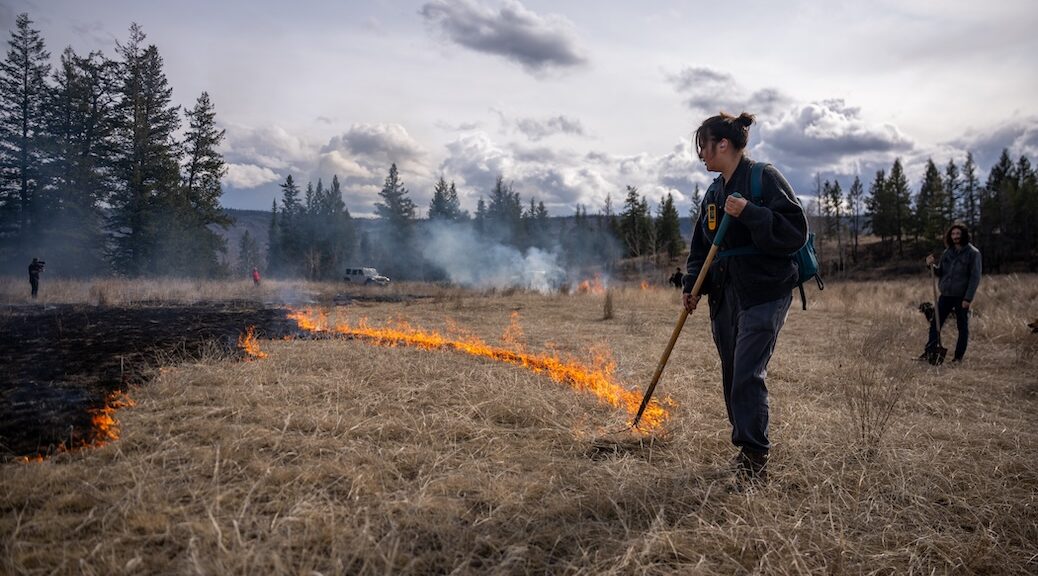
A new UBC led study of 111 peer-reviewed papers found that forests and biodiversity are better, or at least equally, protected if they are managed by Indigenous peoples. Between 2005 and 2012, vegetation loss in native areas of the Brazilian Amazon was 17 times lower. In Australia, 60% of the nation’s 1,574 threatened species were found on Indigenous lands. In the United States, Indigenous lands harbour more mature trees and higher tree volume. Close to two-thirds of the articles noted that Indigenous peoples were themselves threatened, and some offered suggestions to either provide resources or strengthen their tenure over the land. While little of the material dealt with British Columbia, lead author William Nikolakis has worked with First Nations in the Interior and was prepared to comment.   

Continue reading Indigenous Peoples are more protective of forests and biodiversity, study finds

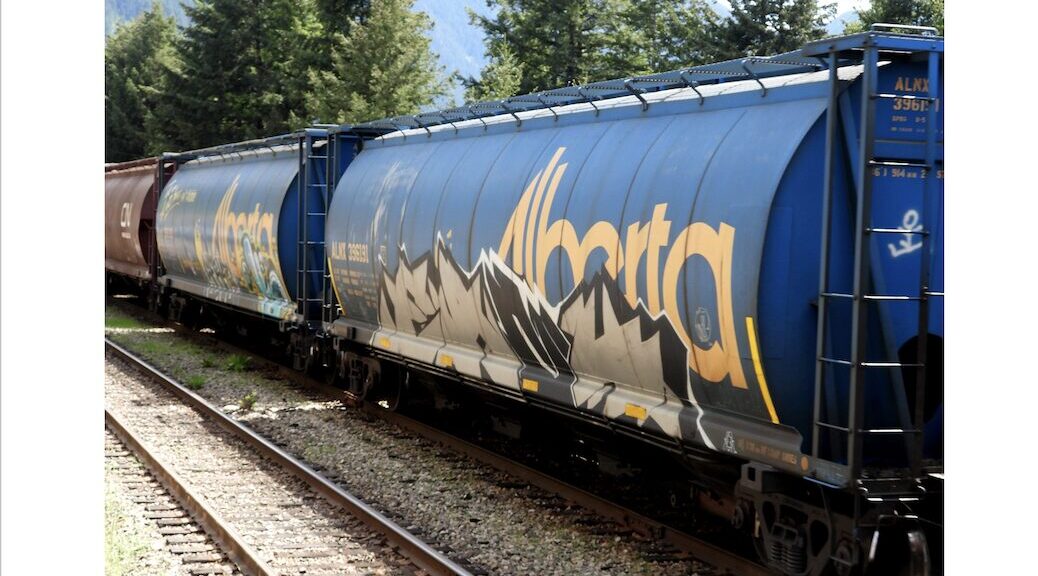
MLAs pitch strong relationships, better infrastructure and ‘awfully blurred’ borders to secure Alberta’s economic future

By George Lee, The Macleod Gazette, Local Journalism Initiative Reporter

Alberta should leverage trade, diversify industry and improve corridors to entrench the landlocked province as a pivotal economic player, the legislature heard this week.

Shane Getson, the UCP’s parliamentary secretary for economic corridor development, envisioned a near-future Alberta with strengthened ties — physical and otherwise — in all directions.

A self-described expansionist, the member for Lac Ste. Anne-Parkland painted a picture of Alberta with “awfully blurred” borders with the territories to its north.

Justin Wright, meanwhile, talked up an existing economic history with the American Midwest, saying Alberta has taken a “proactive approach to strengthening our trade relationship with the U.S.”

Continue reading MLAs pitch strong relationships, better infrastructure and ‘awfully blurred’ borders to secure Alberta’s economic future

Coming Soon: The 2026 New Forest Act Roadshow

The 2026 New Forest Act Roadshow will be coming to our area next month. The Sentinel Educational Foundation and Watershed Sentinel magazine are the sponsors of the Vancouver Island leg of its tour. Jennifer Houghton, Campaign Director of the New Forest Act Proposal, will be speaking at the Campbell River United Church at 7:00 on Thursday, June 11, and Quadra Island Community Centre at 7:00 on Saturday, June 13. 

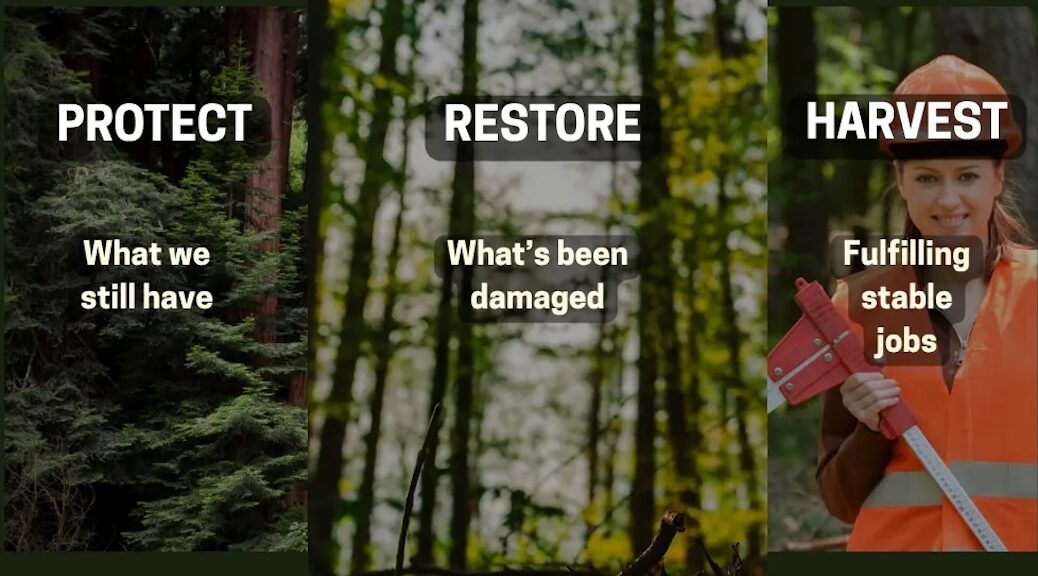
Jennifer Houghton:  ”Right now we’re seeing a decline in timber supply, mill closures, degraded lands, degraded watersheds, rising disaster costs, and less stable communities. The current system isn’t even protecting the future of forestry itself. Ecosystem decline is a serious problem across BC, and the whole structure of forestry needs to be replaced. That’s why we’ve developed a legislative proposal to restructure all forestry in BC.” 

Continue reading Coming Soon: The 2026 New Forest Act Roadshow