All posts by Rochelle Baker

Rochelle Baker is a staff reporter with Canada’s National Observer, thanks thanks to a grant from the Local Journalism Initiative of the Government of Canada. She previously worked as a newspaper reporter and photographer in BC’s Lower Mainland for over 7 years.

Nanaimo port expansion floats potential solutions for Vancouver Island supply chain woes

Editor’s note: The city of Campbell River has a goal of growing the equivalent of 10% of its food supply by 2031 and 50% by 2060. Thanks to the 2018 LEAP Report, there is more precise data for Cortes Island  – 63% of the respondents stated that 21% of their food was produced locally and close to half of these grew or sourced +51% of their food on Cortes. The percentage of people consuming local foods was highest among people with low incomes.  Surprisingly few respondents said they obtain less than 10% of their food locally.

Canada’s National Observer, Local Journalism Initiative Reporter

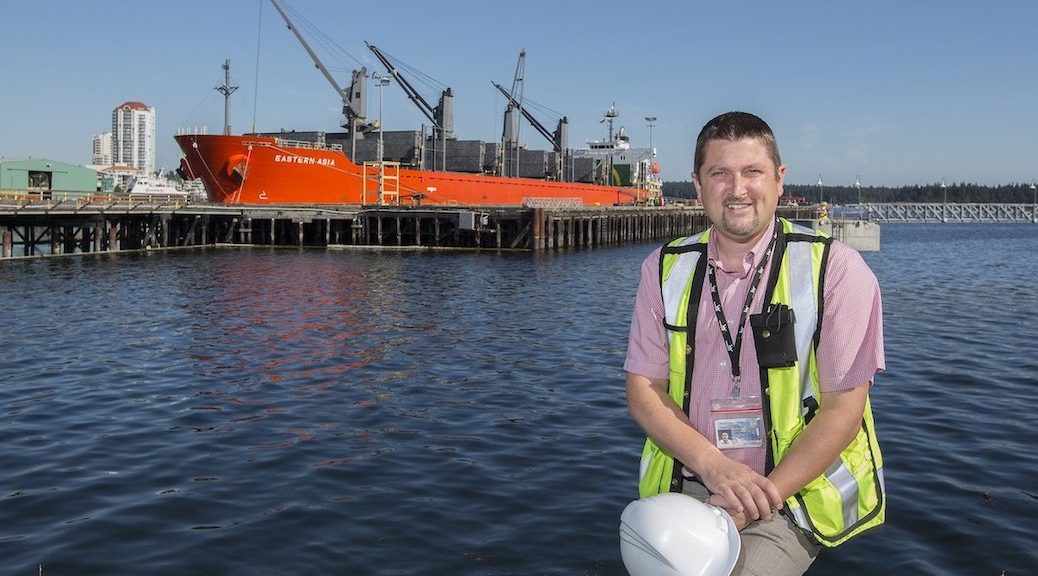
Expanding Nanaimo’s Duke Point Terminal could strengthen Vancouver Island’s vulnerable supply chain and improve the flow of food, fuel and essential goods when climate disasters or other disruptions strike, according to the Nanaimo Port Authority. 

Continue reading Nanaimo port expansion floats potential solutions for Vancouver Island supply chain woes

Eby talks transport, toxic drug crisis and short-term rentals at economic summit

Canada’s National Observer, Local Journalism Initiative Reporter

Transportation, short-term rentals and disorder related to the toxic drug crisis in city centres were the top issues raised with Premier David Eby at the State of the Island Economic Summit on Thursday. 

After addressing the crowd at Nanaimo’s conference centre, Eby fielded questions and concerns from business and industry leaders, politicians and communities on the key issues hurting economic development across Vancouver Island. 

Continue reading Eby talks transport, toxic drug crisis and short-term rentals at economic summit

Salmon SWAT teams deployed in B.C to help fish during drought

Canada’s National Observer, Local Journalism Initiative Reporter

A provincewide drought this summer dried up B.C. rivers and jeopardized the survival of already stressed salmon stocks. 

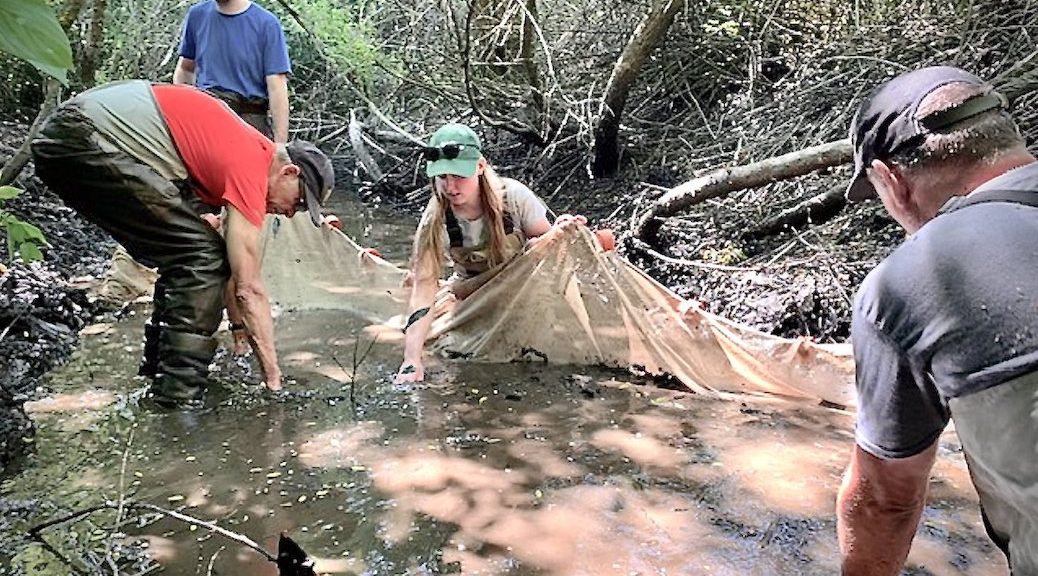
But for the first time, localized salmon SWAT teams mobilized quickly to tackle hot spots of concern on rivers across B.C. as part of a new pilot project, said Jane Pendray, manager of the Pacific Salmon Foundation’s (PSF) climate adaptation program.

Continue reading Salmon SWAT teams deployed in B.C to help fish during drought

Canada needs to curb its import-export swap to make seafood sustainable

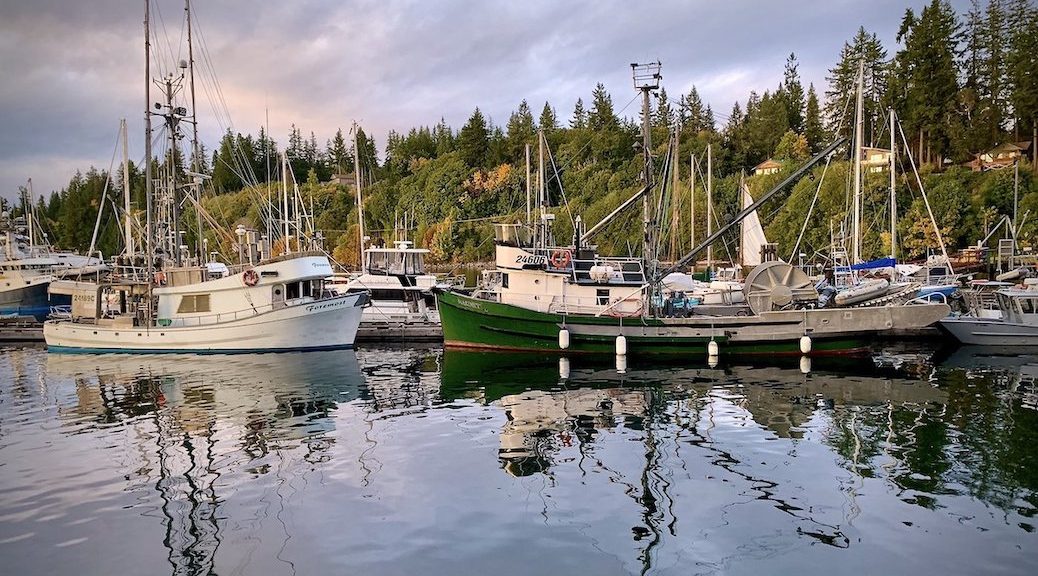
Editor’s note: While only 3 or 3 fishing boats still working out of Cortes Island, Klahoose Aquaculture employs about 20 people during the season. There are 10 or so lease holders belonging to the Bee Islets Corporation in Gorge Harbour and numerous shore leases around Cortes, Marina, Read and Quadra Islands. The photo above shows the fishing boats tied up at Quathiaski Cove on Quadra Island.

Canada’s National Observer, Local Journalism Initiative Reporter

A deep dive exploring how seafood can reach the tables of Canadian consumers and remain sustainable took place at a recent UN World Food Day event in Vancouver.  

Keeping equity and the environment top of mind while creating a new ocean or “blue” economy was a key theme for panel experts at the day-long conference

The pandemic’s disruption of the global food supply chain underscored how vital it is to develop local and regional seafood sovereignty and empower small-scale fisheries, said panel member Claire Dawson, Ocean Wise’s senior manager of its fisheries and seafood initiative.  

Continue reading Canada needs to curb its import-export swap to make seafood sustainable

Vancouver Island transportation survey highlights key connectivity gaps for communities

Canada’s National Observer, Local Journalism Initiative Reporter

A lack of affordable, convenient, frequent and reliable options for travel between many Vancouver Island and Sunshine Coast communities was the top obstacle identified in a recent regional transportation survey.

Over the summer, the B.C. government funded extensive community consultations to study passenger transportation gaps faced by Indigenous, small, rural and remote communities on Vancouver Island and parts of the coastal mainland, as well as B.C.’s north and its southern Interior.

Poor connections between coastal communities, like ferries linked to transit, insufficient public transportation options to airports or harbours, and a lack of safe, accessible or low-emission services were other roadblocks highlighted in the Island Coastal Inter-Community Transportation study.

Continue reading Vancouver Island transportation survey highlights key connectivity gaps for communities