Tag Archives: Natasha Bulowski

Plans for new coal mine show the need for water pollution probe

Editor’s note:  In terms of emissions, coal is believed to be the dirtiest form of energy on our planet. In addition a recent study in Science found that about 460,000 of the deaths in the United States, between 1999 and 2020, can be attributed to the particulate matter in coal. This is separate from emissions, but global usage of coal is increasing. According to the International Energy Agency, global coal demand reached a record high in 2022. That was passed the following year: 

“Worldwide electricity generation from coal hit record highs in 2023, while thermal coal exports surpassed 1 billion metric tons for the first time as coal’s use in power systems continues to grow despite widespread efforts to cut back on fossil fuels.” – Reuters 

Coal was an economic driver on Vancouver Island during the late 1800s. There were mines in Nanaimo, Cumberland, Union Bay and Ladysmith. Premier Christy Clark promised to open 8 new coal mines by 2015, and failed. Coal is still a major industry in British Columbia, but the last coal mine on Vancouver Island has not been operational since 2017. That was the Quinsam mine, approximately 24 km southwest of Campbell River,

By Natasha Bulowski, Canada’s National Observer, Local Journalism Initiative Reporter

A new coal mine proposed in B.C.’s Elk River Valley highlights the need for a long-overdue cross-border investigation into water quality and an end to coal mining in the region, some environmental groups argue.

Continue reading Plans for new coal mine show the need for water pollution probe

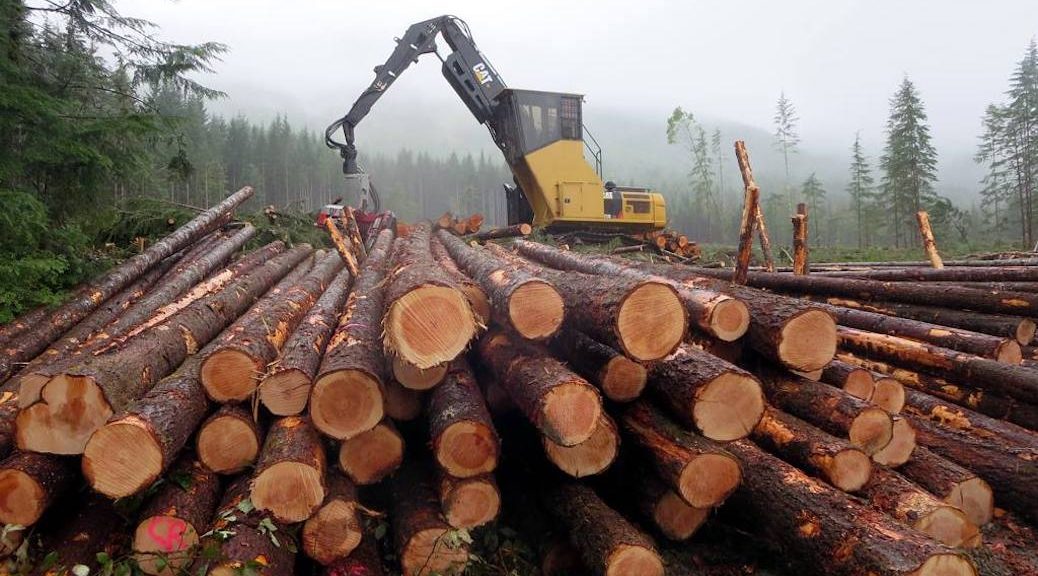
Burning trees is not a clean energy option: climate advocates

Editor’s note: According to the Strathcona Regional District Engagement Summary Report, In Electoral Areas A, B (Cortes), and C (primarily Quadra and the Outer Islands), about 50% used wood heat and 40% used electric with the remaining 10% using an alternative.

By Natasha Bulowski, Canada’s National Observer, Local Journalism Initiative Reporter

With the annual United Nations climate conference just around the corner, environmental groups are calling for an end to subsidies that support burning forest biomass to generate electricity.

In an open letter to Natural Resources and Energy Minister Jonathan Wilkinson and Environment Minister Steven Guilbeault, the groups say financial support for the industry is at odds with the federal government’s pledge to phase out subsidies that harm biodiversity. The 24 signatories urge the government to “reverse course and choose true climate solutions” instead of “simply shifting from burning fossil fuels to burning forests for fuel.”

Continue reading Burning trees is not a clean energy option: climate advocates

Trans Mountain wants higher tolls, and they won’t cover even half its price tag

By Natasha Bulowski, Canada’s National Observer, Local Journalism Initiative Reporter

Trans Mountain wants to charge oil shippers more to use the Trans Mountain expansion pipeline (TMX), but those increased tolls wouldn’t cover even half of the project’s $30.9-billion price tag.

“There has never been an instance in any western country — that I’m aware of — where tolls have been set below the level required to cover the cost of the operation of a pipeline,” said Thomas Gunton, professor and director of the Resource and Environmental Planning Program at Simon Fraser University in B.C.

Continue reading Trans Mountain wants higher tolls, and they won’t cover even half its price tag

Logging pollution is on the rise — but don’t expect to find it on the accounting books

By Natasha Bulowski, Canada’s National Observer, Local Journalism Initiative Reporter

As the world uses more and more wood over the next few decades, the planet-warming greenhouse gas emissions associated with logging will rise, new research predicts.

Yet many of these emissions are not currently attributed to the logging industry because widely used accounting methods leave the impression that wood harvests only marginally increase carbon emissions or don’t increase them at all, according to new research published in Nature.

Continue reading Logging pollution is on the rise — but don’t expect to find it on the accounting books

Canada’s eastern Rockies risk becoming a carbon bomb

By Natasha Bulowski, Canada’s National Observer, Local Journalism Initiative Reporter

Oil, gas and coal extraction projects located in Canadian protected areas could unleash a potential 2.7 billion tonnes of carbon dioxide into the atmosphere, a global analysis found.

Alberta’s iconic coal-bearing Rocky Mountains are among the nearly 800 protected areas under threat of fossil fuel development worldwide, according to the analysis by LINGO, a.k.a. the Leave It In the Ground Initiative. The Germany-based non-profit’s stated mission is to “leave fossil fuels in the ground and learn to live without them,” and accelerate the world’s transformation to 100 per cent renewable energy. The research was done in collaboration with Oil Change International.

Continue reading Canada’s eastern Rockies risk becoming a carbon bomb