
Tag Archives: Species at Risk

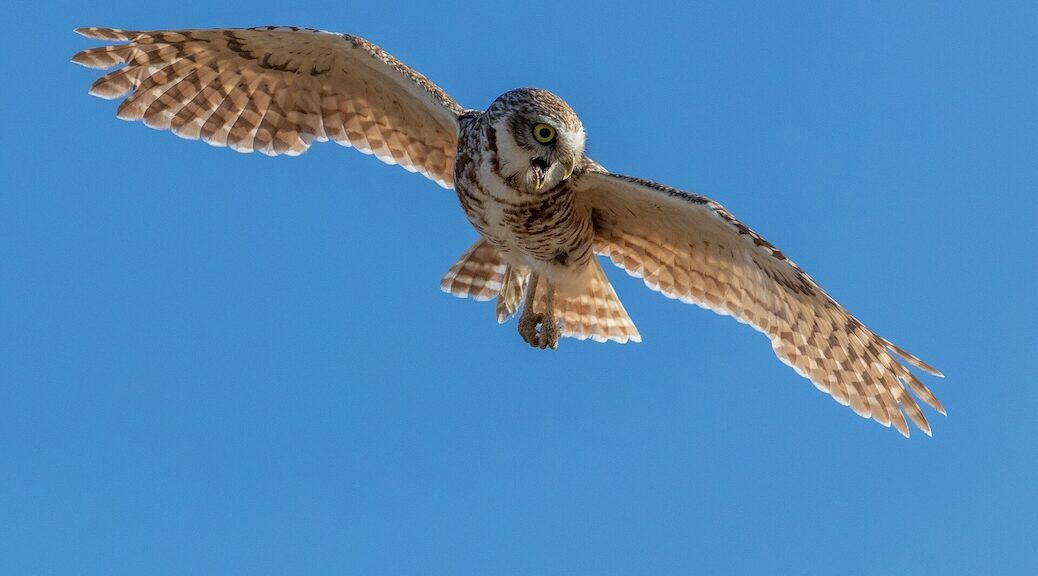
Upper Nicola program a ‘gold standard’ in effort to save B.C.’s burrowing owls

By Aaron Walker, Windspeaker, Local Journalism Initiative Reporter

A decade after the first burrowing owls were released onto its reserve lands, the Upper Nicola Band is marking what leaders and partners describe as a rare conservation success in a province where the species remains on the brink.

On April 22, community members, knowledge keepers, and conservation partners gathered on the Douglas Lake reserve to release six more captive-raised burrowing owls as part of an ongoing recovery effort that has quietly become one of the most productive breeding sites for the species in British Columbia.

Continue reading Upper Nicola program a ‘gold standard’ in effort to save B.C.’s burrowing owls
Vanishing Voices: The Global At Risk Species Crisis and Cortes Island

Originally published, as part 6 of the Cortes Island Resonance series by the Cortes Community Radio Society.

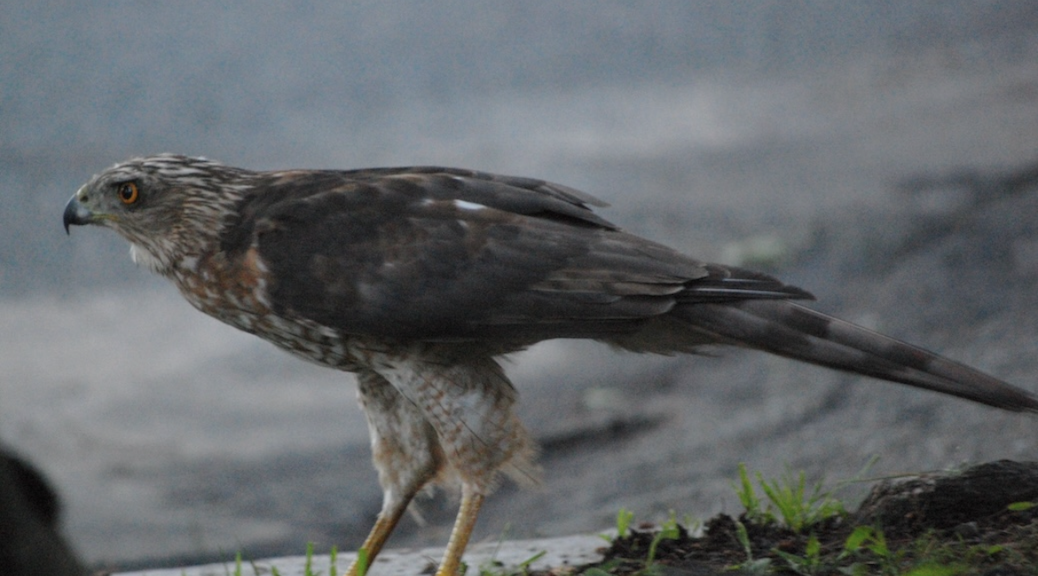
Across the globe, the accelerating loss of biodiversity is sounding alarms among scientists, conservationists, and communities that recognize nature as more than scenery—it is the living fabric of our survival. The United Nations warns we are in the midst of an extinction crisis “at least tens to hundreds of times faster than the natural process of extinctions.”

In Canada, where biodiversity is heralded as a national treasure, action is falling gravely short—and British Columbia is a prime example. Despite being the most biologically diverse province in the country, B.C. still lacks legislation specifically designed to protect species at risk. 

Continue reading Vanishing Voices: The Global At Risk Species Crisis and Cortes Island

‘No end in sight’ for systematic killing of BC wolves to save caribou

Canada’s National Observer, Local Journalism Initiative Reporter

The BC government spent a decade killing wolves to protect caribou. Now, critics warn that despite questions about its effectiveness, ethics and impact on the rest of the environment, the government is moving to make the wolf cull a permanent part of its strategy. 

Launched as a short-term emergency measure in 2015, the decade-long wolf cull is a morally outrageous tactic to divert public attention from the root cause of caribou declines — the province’s failure to significantly address habitat destruction — said Pacific Wild co-founder Ian McAllister.

“Wolves are just paying the ultimate price for total government negligence, and there’s no end in sight,” he said.  

Continue reading ‘No end in sight’ for systematic killing of BC wolves to save caribou

Q&A With NIPR’s Green Party On Some Key Environmental Questions

While the Canadian government likes to think of itself as a leader in environmental stewardship, there have been a number of concerns: 

  • A lack of urgency in addressing climate change
  • While the number of extreme weather events continues to increase in both size and magnitude, so does Canada’s production of the fossil fuel products that are the leading contributor to our emissions. In 2024, Canada’s oil production reached a record 5.7 million barrels per day, with  the oil sands accounting for approximately 57% of this output.
  • Weak enforcement and monitoring of environmental laws and regulations
  • According to COSEWIC, there are now 850 Canadian wildlife species at risk, but the government is very slow to respond to this growing crisis.

Cortes Currents emailed the Conservative, Green, Liberal, and NDP campaign headquarters in North Island Powell River (NIPR) a list of questions designed to get to the heart of this matter. So far only Mark de Bruijn, Campaign Manager for the Greens and a former Green candidate in 2019, has answered.  

Continue reading Q&A With NIPR’s Green Party On Some Key Environmental Questions

Proposed Conservation Area In The Manson Bay Forest

The Nature Trust of British Columbia wants to purchase 35.7 acres in the Manson Bay Forest for a land conservancy. They have already raised about half of the necessary funding and have until December 31 to raise the remaining $408,000. 

“One of the landowners has come forward, and they’re interested in selling the land for conservation. They’ve never developed the land, and they’d like to see it stay in the intact condition that it is right now. We are working with them to purchase the land so that we can prevent the conversion of habitat to residential use and maintain the habitat values for the species at risk that live on Cortes Island,” explained Dr Jasper Lament, CEO of the Nature Trust of British Columbia.

Continue reading Proposed Conservation Area In The Manson Bay Forest