Category Archives: Indigenous Nations History

Spill to Sustenance

Six years on from the fuel spill that devastated Heiltsuk waters and clam gardens, the nation is pulling together to proactively build food sovereignty

Originally published on the Watershed Sentinel

by Jamie-Leigh Gonzales

The central coast rainforest, with its horizons of emerald islands roamed by wolves, orcas, and bears, is a source of life and wellbeing for all peoples who live there. The Heiltsuk Nation have lived off their land since time immemorial, and their culture is deeply rooted in the land and marine ecosystems. They continue to protect their relationship with the land against extractive industry and ongoing colonial practices that seek to eradicate Indigenous land stewardship.

In 2016, the Nathan E. Stewart tug ran aground, spilling over 110,000 litres of diesel oil in Heiltsuk waters of Gale Creek Pass. The devastating impacts on marine life and the surrounding ecosystem continue today, nearly six years after the spill. A healthy clam beach has yet to return, and the site remains a danger to the marine life, such as herring, salmon, and kelp, that once thrived there.

Continue reading Spill to Sustenance
The History of Residential and Day Schools

By Chadd Cawson, The Columbia Valley Pioneer, Local Journalism Initiative Reporter

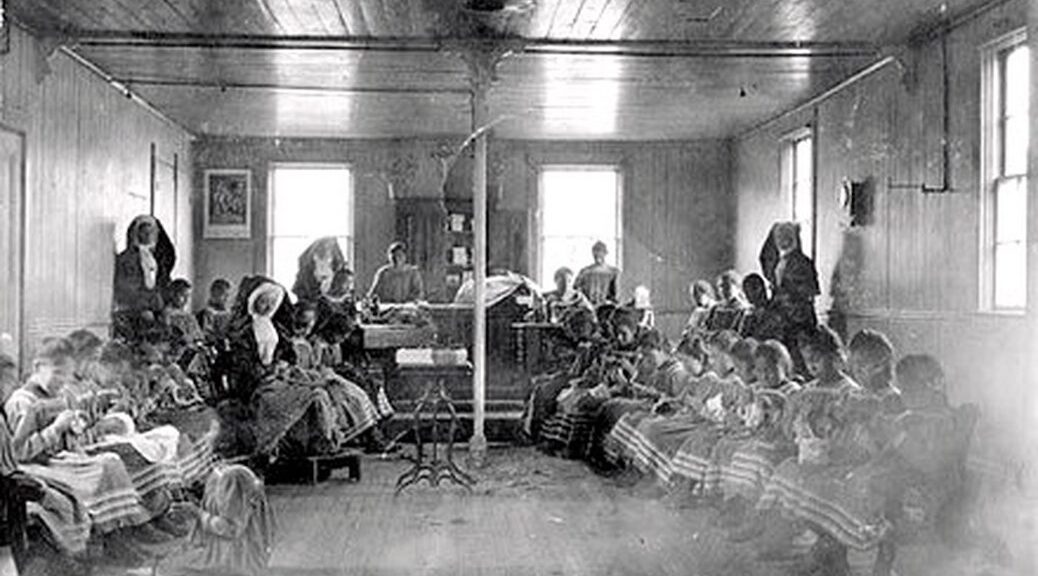
Many people have heard about residential schools but are uneducated about them. And too many have known about the horrors and injustices that happened within the walls of them, but for too long their voices were never heard. First Nations, Inuit, and Métis children were taken from their families, communities, and culture for over 150 years. During this period, over 150,000 children attended what were then called Indian Residential Schools. Many never returned home to their families.

Continue reading The History of Residential and Day Schools

Manitoba: Westman ride to honour residential school survivors

By Miranda Leybourne, Brandon Sun, Local Journalism Initiative Reporter

Next week residents of Waywayseecappo, Birdtail Sioux and Canupawakpa First Nations as well as Sioux Valley Dakota Nation are embarking on a ride — whether that’s on horseback, bicycle or by foot — to spread awareness of the former residential school system in Canada.

Participants will convene in Waywayseecappo on Sunday to begin the journey with a breakfast at 10 a.m., followed by a blessing at 11. From there, they will travel to the site of the former residential school in Birtle, located 142 kilometres northwest of Brandon, at noon.

Continue reading Manitoba: Westman ride to honour residential school survivors

Experiencing Bioluminescence with Cortes Kayaks

Cortes Kayaks bioluminescence tours have been setting out from Mansons Lagoon every Friday and Saturday for the past month.

There were about a dozen people in our group, which was mostly composed of off islanders from Vancouver, Victoria or the Cowichan Valley.  The only experienced kayakers were our guides, Jolaine Boucher and Maria Francis. However most of the group had some experience and the only rookie was me. 

Continue reading Experiencing Bioluminescence with Cortes Kayaks

Beyond Beads

qathet Living, Local Journalism Initiative Reporter

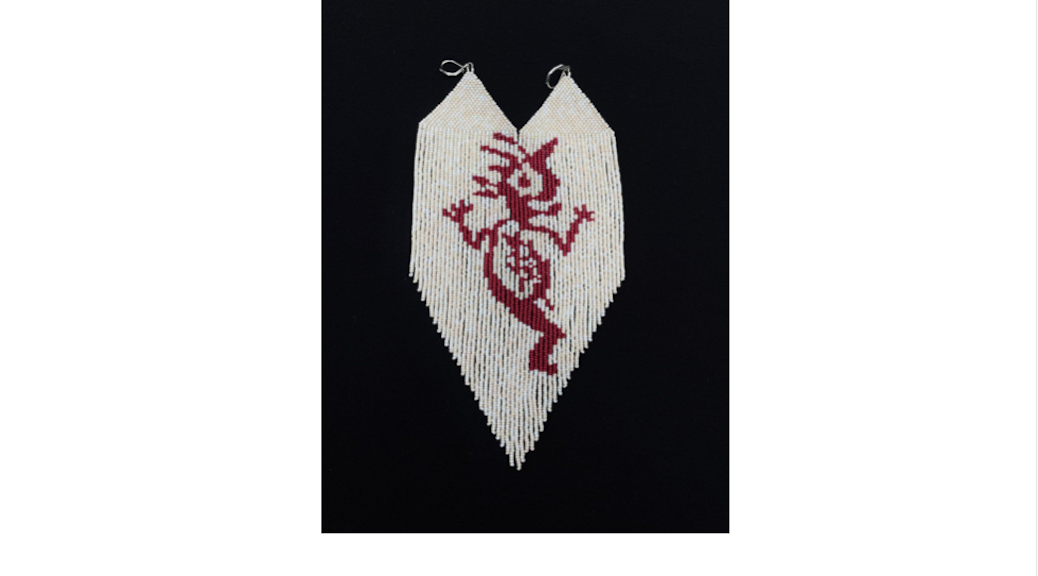
Beading helps share knowledge, good laughs, and support for each other through hard times. That’s why beading is important to me, as both an art, and community-centred experience.”

So explains Klahoose and Tla’amin Nation member Emily White, who’s contemporary beading designs are pushing the boundaries of the traditional art form (see left). The 24-year-old Tla’amin Nation intergovernmental policy and fiscal analyst learned to bead in 2018 from the Elders in Residence at the University of Victoria – over many lunchtimes as she was completing her degree in Indigenous Studies and ethics. She especially credits Métis Elder Barb Hulme.

Continue reading Beyond Beads