


With all the current hype about the Declaration on the Rights of Indigenous Peoples Act (DRIPA), Cortes Currents reached out to two rural politicians to ask how they see this legislation working at the local level. Mark Vonesch is the Regional Director for Area B (Cortes Island) and Robyn Mawhinney is the Regional Director for Area C, which includes Quadra and most of the other Discovery Islands. They both sit on the board of the Strathcona Regional District (SRD).
Robyn Mawhinney: “The SRD has created a set of strategic priorities, and one of those specifically mentioned a priority to continue to build relationships with First Nations communities and provide opportunities to explore areas of shared focus and interest. We also, as a board, listed as one of our values, promoting reconciliation with First Nations communities and actively stewarding our natural environment.”
Mark Vonesch: “O ne of the things that we have at the Strathcona Regional District is a First Nations Relations Committee. This is a committee that we’ve set up specifically to work through First Nations issues and to move forward with truth and reconciliation. I’m proud to be on that committee. I’m proud that we’ve taken those steps and there’s a lot of work to be done.”
Robyn Mawhinney: “The Strathcona Regional District Board has supported and funded work on a First Nations reconciliation framework. This was recommended by the SRD First Nations Relations Committee to support more meaningful collaboration between the SRD and First Nations.”
“Phase one of the reconciliation framework include an assessment of the organization’s readiness, and that’s been completed. Unfortunately, due to a staff departure and a consultant departure, there’s been a few setbacks to the process of the framework. However, I believe the board is still committed to the work, and I know I am.”
“The goal of the framework project is to co-develop it with First Nations. And ensure that the SRD has the capacity and tools to implement the framework and action plan, and that it is co-developed to ensure that we can advance meaningful reconciliation and strengthen ties with our local First Nations communities.”
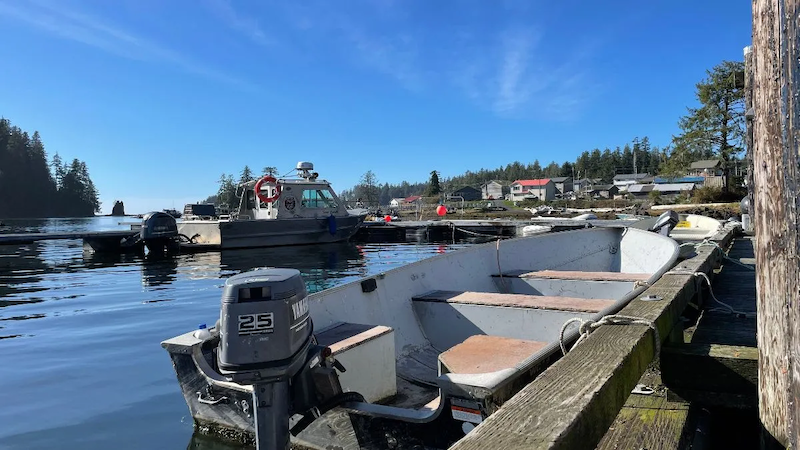
Cortes Currents: There are 11 First Nations in the SRD, but only 1 of them has a seat at the table. How do you explain that?
Robyn Mawhinney: “The reason that the Ka:’yu:’k’t’h’/Che:k’tles7et’h’ Nation has a seat at the table is because they are a modern treaty nation and as part of their treaty, they were given a certain number of years to take a seat at our table. This happened before my time at the board, but I believe that there was an observer member from the Ka:’yu:’k’t’h’/Che:k’tles7et’h’ Nation that sat in on the board meetings and could contribute to discussions, but their vote wouldn’t be included. However, now that they are a full Treaty Nation, they are at the board.”
Mark Vonesch: “Once a First Nation signs a treaty, they get a seat at the board table. Right now at the Strathcona Regional District, we have one First Nation that’s signed a treaty, the Ka:’yu:’k’t’h’/Che:k’tles7et’h’ Nation, and they have a seat at the board table.”
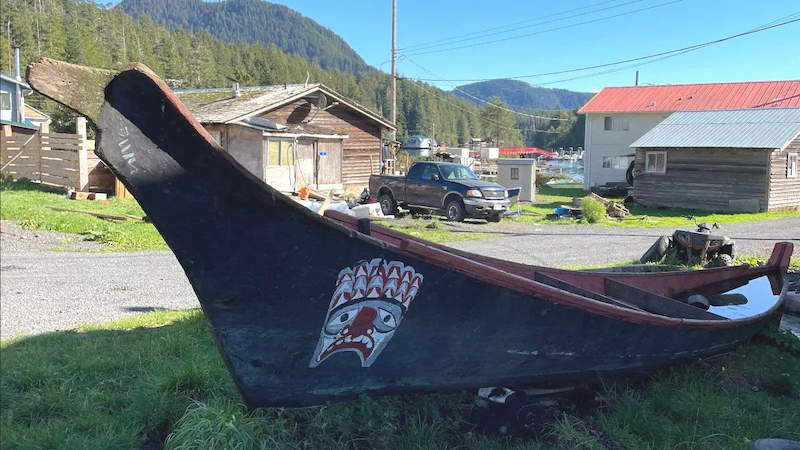
“There are lots of other nations in the North Island that are in the process of treaty negotiations. One of the things I would like to see happen is that if a First Nations in late stages of treaty negotiation, they get a seat at the table. I think that would be an amazing step forward that shows a willingness to move forward in a bold way and recognizes the value of the input and the rights of First Nations to be at the decision making table.”
“What is the future for North Island? What are capital investment projects that can happen? How can partnerships happen? What are some examples of what could be done?”
“A lot of people don’t know that there’s a $600 million capital investment being made into the North Island right now, into the Yə̓yus Energy Project. This is a wind farm project that’s going to produce power for 56,000 homes and is done in partnership with the Wei Wai Kum First Nation. This is an amazing example of what future economic partnership looks like and investment into the North Island that includes First Nations at the table and provides good outcomes for everybody that lives here.”
“We’ve got a lot of opportunity in the North Island for green energy. We’ve got a lot of opportunity in the North Island for tourism. We’ve got a lot of opportunity for local forestry.”

Cortes Currents: Do you see collaboration in your areas?
Mark Vonesch: “There are examples already that are leading the way. The partnership between the Klahoose First Nation and the Cortes Forestry Co-op is a great example of First Nations and non-First Nations working together to create a business that is good for local people and provides jobs. The Klahoose Wilderness Resort is another great example of First Nations taking leadership in the tourism industry. Klahoose purchasing the Gorge, another example of an investment into the tourism industry in this area.”
Robyn Mawhinney: “I really thought about your question in terms of how we could maybe see that playing out in Area C. One example would be the planned divestiture of the Port Neville Wharf to Tlowitsis First Nation. As you may recall, during consideration of a wharf service the community spoke to the fact that the Port Neville Wharf didn’t seem like it was serving a significant community need. However, the Port Neville Wharf is in the core territory of Tlowitsis First Nation, and the board moved to explore if there was interest from the nation in the Wharf asset. The board has now signed an MOU with the nation. We are fulfilling the wharf works that are funded by the federal government, and then the wharf will be passed to Tlowitsis First Nation as well.”
“The Quathiaski Cove sewer system is in need of significant work. In 2024 the board supported a motion that a thoughtful inquiry be submitted to the We Wai Kai Nation Chief and Council regarding potential opportunities for collaboration on sewer and or water infrastructure. Since then, talks have been ongoing between SRD staff and the We Wai Kai Nation exploring the potential for collaboration on sewer plant.”
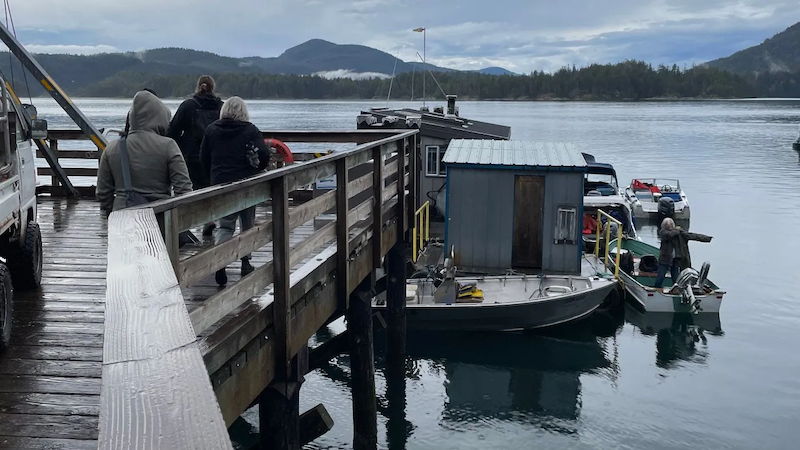
“When it comes to relationship billing, which I believe is a really important piece of reconciliation, the folks on Read Island are doing tremendous work. They’ve been really building some super connections with the Homalco First Nation – sharing meals and creating plans together, including for a potential youth education center on the island.”
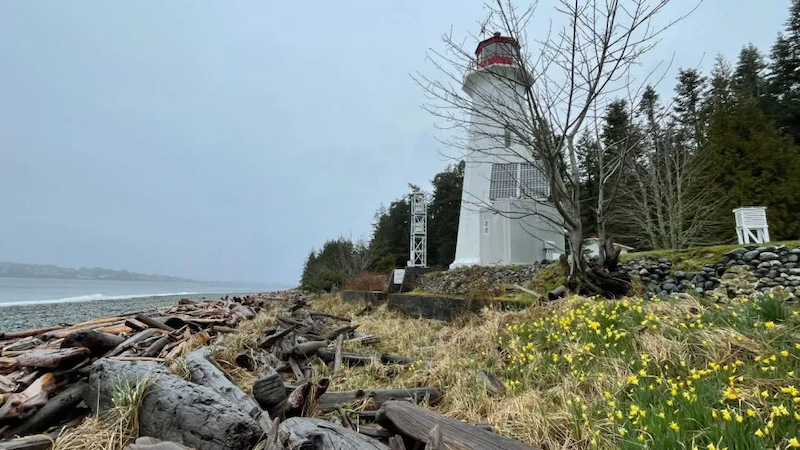
“I would point you at the recent economic diversification plan, which was worked on in collaboration between the Discovery Island Chamber of Commerce, We Wai Kai Nation and Quadra Island Foundation, who all worked together on receiving the funding, doing the work. There were multiple meetings including meetings that were held at the Cape Mudge Village Community Hall. That’s a really recent example of collaboration which is working. The results of that report really speak for themselves.”

(Courtesy ICAN Water Security Team)
Cortes Currents: What about the collaboration on water issues?
Robyn Mawhinney: “That’s another great example, the We Wai Kai Nation and their land guardians working with the water security team here on a multi-year project to observe and record and gather data to more completely understand the aquifers that we all depend on here on Quadra Island. That’s another really great example of collaboration, building relationships and working together at the local level on projects which are of interest to everyone.”
Cortes Currents: Do you see a role for the Regional District or yourself to educate the public to prevent misinformation on some of the stuff that’s been going on?
Robyn Mawhinney: “That’s a really challenging question and especially because so many of us are living in information silos, which we think are universal when the reality is that the silos are crafted by algorithms just for us.”
“I recently shared with constituents the words of my local government colleague, Will Cole-Hamilton. He wrote a letter to the Vancouver Sun where he explained that repealing DRIPA would not undo the Cowichan tribe’s decision because that decision is based on the Constitution. So yes, I am attempting to share information. However, it’s a really challenging news environment that we’re living in at the moment.”
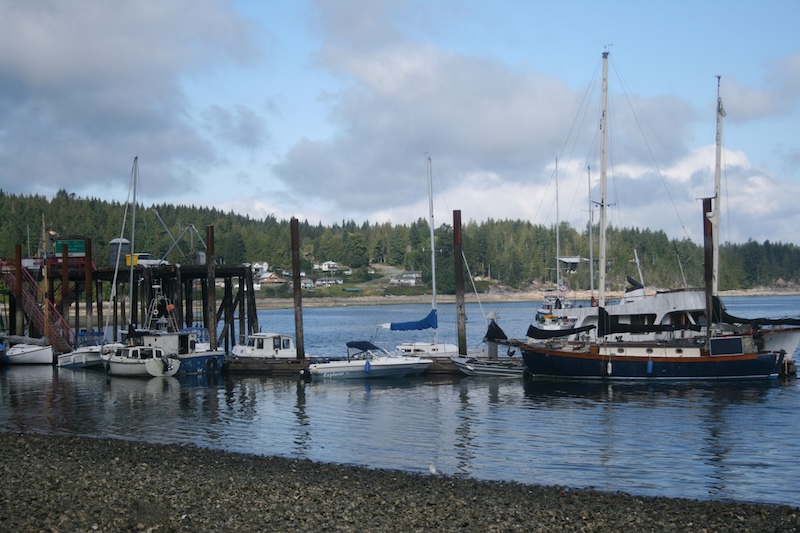
Mark Vonesch: “The important thing to remember around Truth and Reconciliation is that there’s no simple solution. It’s a long and complex process that isn’t going to be solved by one piece of legislation or one piece of rhetoric or fear-based click baiting. It’s something that we have to work on every day, in all aspects of government. The results are good for everybody.”
Links of Interest:
- Declaration on the Rights of Indigenous Peoples Act (DRIPA)
- The Battle over DRIPA and Land Claims – Cortes Currents
- Articles about, or mentioning, DRIPA
- Articles about, or mentioning, the Director of Area B (Cortes Island)
- Articles about, or mentioning, the Director of Area C (Discovery Islands & Mainland Inlets)
Top image credit: Sunset in traditional territory of the We Wai Kai First Nation – Robyn Mawhinney photo
Sign-up for Cortes Currents email-out:
To receive an emailed catalogue of articles on Cortes Currents, send a (blank) email to subscribe to your desired frequency:
- Daily, (articles posted during the last 24 hours) – [email protected]
- Weekly Digest cortescurrents – [email protected]