Category Archives: Disaster

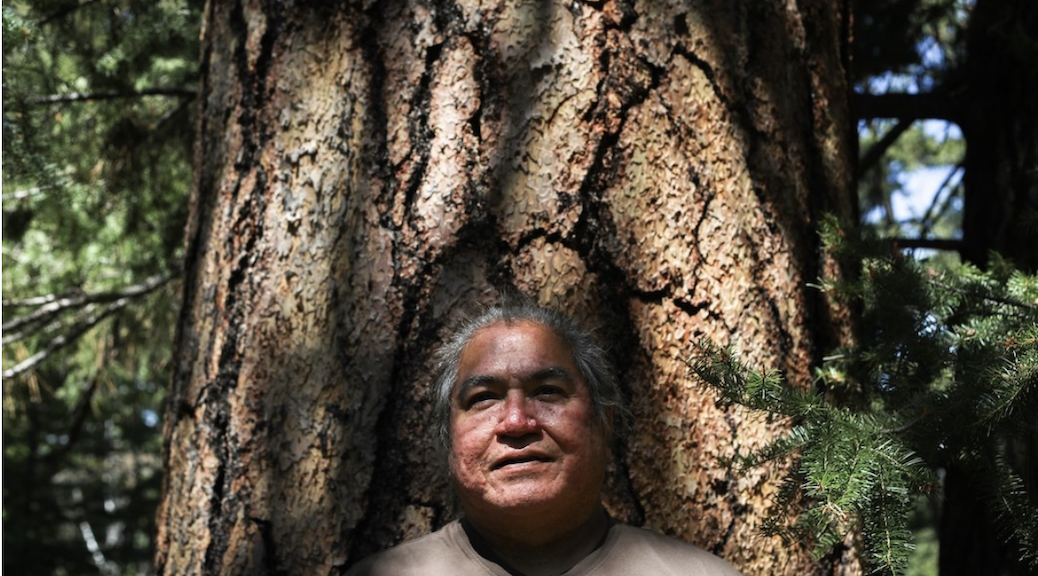
Amid climate impacts, leading Secwépemc firekeeper shares ‘a better way of looking after the land’

By Aaron Hemens, IndigiNews, Local Journalism Initiative Reporter

Growing up in Nlakaʼpamux and syilx territories in the 1970s, Joe Gilchrist can’t remember a single summer when wildfire smoke ever trapped him indoors. 

The Merritt, B.C., region’s semi-arid landscape still saw scorching summer temperatures back then, he recalled, but not the record-breaking fire seasons of recent years. 

“That was thanks to our work that the Indigenous ancestors did on the land,” said Gilchrist, a Secwépemc Nation member who now lives on Skeetchsn Indian Band’s reserve with his daughter.

“Then, everything was still fairly spaced out; the fires were easier to handle.”

Although settlers’ wildfire suppression efforts had become the dominant form of land stewardship when he was young, Indigenous communities in the Nicola Valley were still using fire to “cleanse” the land, Gilchrist said.

Continue reading Amid climate impacts, leading Secwépemc firekeeper shares ‘a better way of looking after the land’

Canada’s 2023 Wildfire Season Linked to 82,000 Deaths Worldwide

By Michelle Gamage, The Tyee, Local Journalism Initiative Reporter

Researchers have crunched data on excess deaths and calculated that Canada’s 2023 wildfire season shortened the lives of 82,000 people worldwide.

The smokiest days caused about 5,400 acute extra deaths across North America alone, according to the research published Wednesday in the journal Nature.

That means wildfire smoke is about as deadly as prostate cancer, Michael Brauer told The Tyee.

Continue reading Canada’s 2023 Wildfire Season Linked to 82,000 Deaths Worldwide

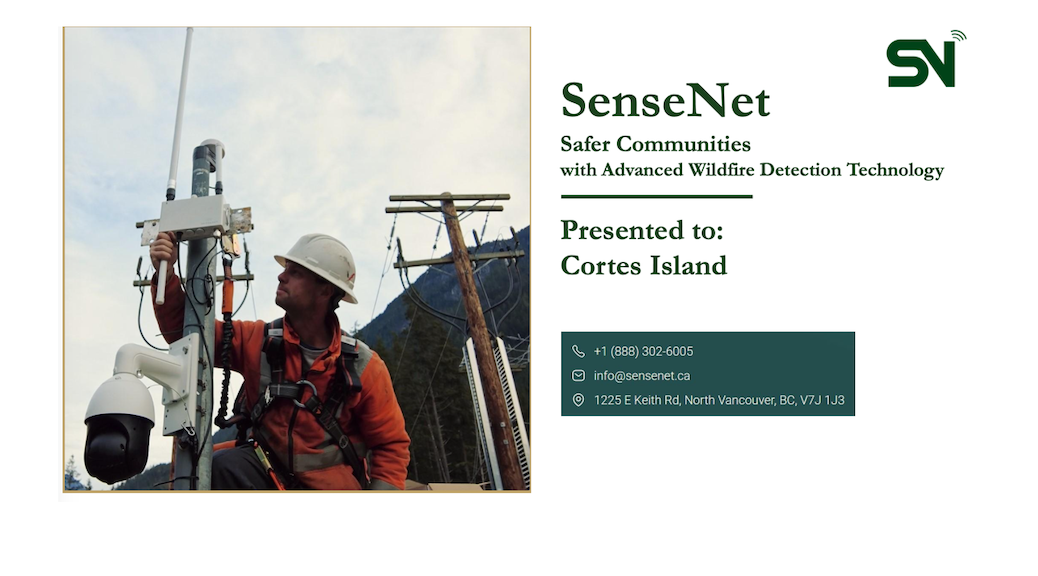
Purchasing an Early Wildfire Detection System for Cortes Island

Cortes Island is close to raising the funds for a wildfire detection system that identifies fires within minutes of their inception. In today’s interview Claudia van der Vorm explains what SenseNet is and Cortes Island Fire Chief Eli McKenty says why he thinks we need it. 

 Claudia van der Vorm: “SenseNet is a Canadian company based out of Vancouver. They work on very early wildfire detection, in most cases under the minute, they can detect a fire when it’s still in smouldering stages. So when we don’t smell it, we don’t see it, in areas hard to access. They have a combination of sensors, camera, satellite, and a platform that allows that early detection, prevention and mitigation.”

Continue reading Purchasing an Early Wildfire Detection System for Cortes Island

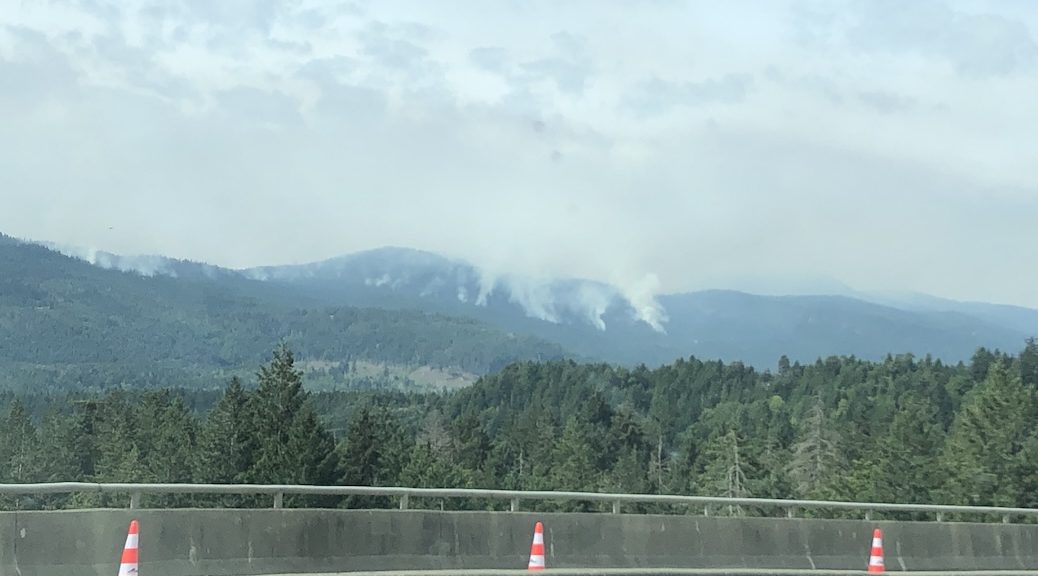
Driving through Canadian Wildfires: A Cross-Country Journey Amid the Smoke

As of August 7, the Canadian Interagency Forest Fire Centre reported that wildfires have consumed more than 7.1 million hectares. There is a broad belt of fires stretching from Northern Alberta to Western Ontario (image below). 

Driving across Canada in mid to late May, we played tag with the smoke and its acrid scent all the way from the Saskatchewan border to Newfoundland. It wasn’t as bad as the news sometimes made it sound. There were days of bright, clear skies, as well as others when a fog-like haze settled across the landscape. The flames may have come within three kilometres of the Trans-Canada Highway west of Kenora, but we didn’t see them. The road remained open, although several side roads were blocked. The smoke, however, spread much farther. We saw a pink sun as far east as Corner Brook, Newfoundland, on May 28.

Continue reading Driving through Canadian Wildfires: A Cross-Country Journey Amid the Smoke

In a world on fire, making the case for burning more

Matt Simmons – The Narwhal, Local Journalism Initiative reporter

A cold spring rain spatters the deck outside a small coffee shop in Smithers, B.C., as Kevin Kriese explains why he believes people need to change how they think about wildfire. 

A former assistant deputy minister with the provincial government and recently retired chair of the B.C. Forest Practices Board, Kriese is now a senior wildfire analyst with the POLIS wildfire resilience project. He’s tall and athletic (an avid skier) and a passionate advocate for land-based solutions to ecological challenges. He speaks with the confidence of someone who has spent his entire career navigating seemingly intractable problems — but admits getting people on board with the idea of living with more fire on the land is no easy task.

Continue reading In a world on fire, making the case for burning more