For the first time ever, in April renewable energy produced more US electricity than coal. This trend is expected to continue through May and Trump’s U.S. Energy Information Administration (EIA) “sees renewable generation topping coal-fired output sporadically this year, and again in 2020.” While the transition is only in the early stages, renewables are replacing coal in America.
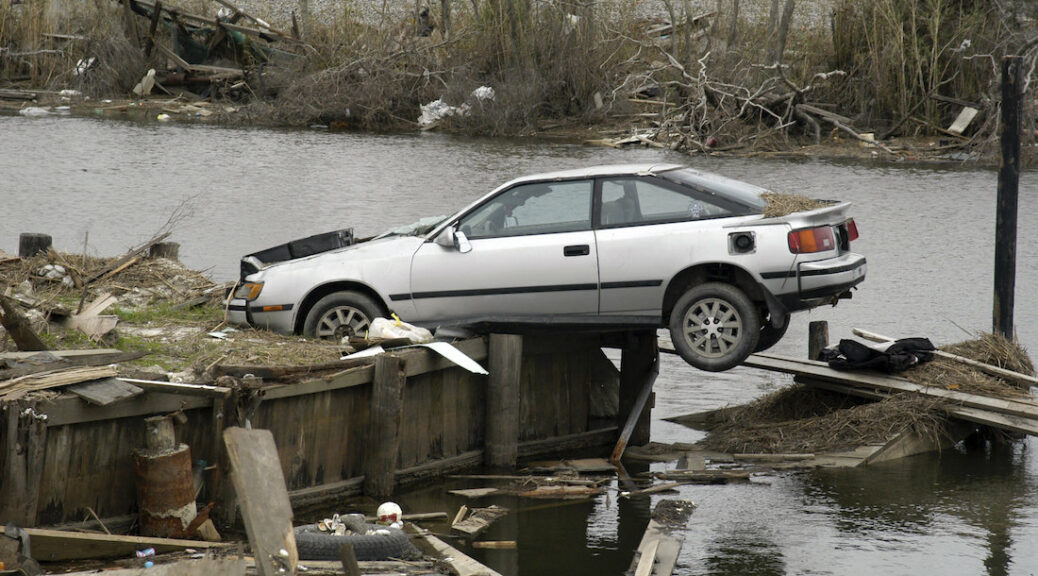
Sea levels are already rising. One tends to think of this as a third world development but, between 1969 and 2010, Prince Edward Island lost 20 square kilometers. According to Dr. Adam Fenech, Director of the Climate Lab at the University of Prince Edward Island, close to a thousand PEI homes, 17 lighthouses (one of which is already half in the water) and a number of wind turbines could be lost by 2100. A new webinar from the Science Media Centre of Canada discussed an important factor not included in this calculation. The changing climate makes sea levels rise.
Rex Wyler spoke of a wolf pack that found a valley full of deer. Initially, they flourished and grew plentiful. Only they were too successful. They eventually ate all the deer and there was no food left for the wolves. Humanity is in a similar situation, overshooting our planet’s resources.
After two days of sometimes heated meetings behind closed door, Canada’s first ministers emerged with an agreement as to their overall goals for a low-carbon and climate-resilient economy. The contentious issues, like carbon pricing mechanisms, emissions caps and oil pipelines, have been left for another First Ministers meeting in the fall. So How far has the Vancouver Declaration taken us?
The Canadian Environmental Assessment Agency’s (CEAA) draft report on Petrona’s proposed Lelu island terminal, at the mouth of BC’s Skeena river, states that, ” … if the Project were to proceed, it would be amongst the largest single point sources of greenhouse gas emissions in the country.” Lelu Island will more than double Canada’s LNG emissions.