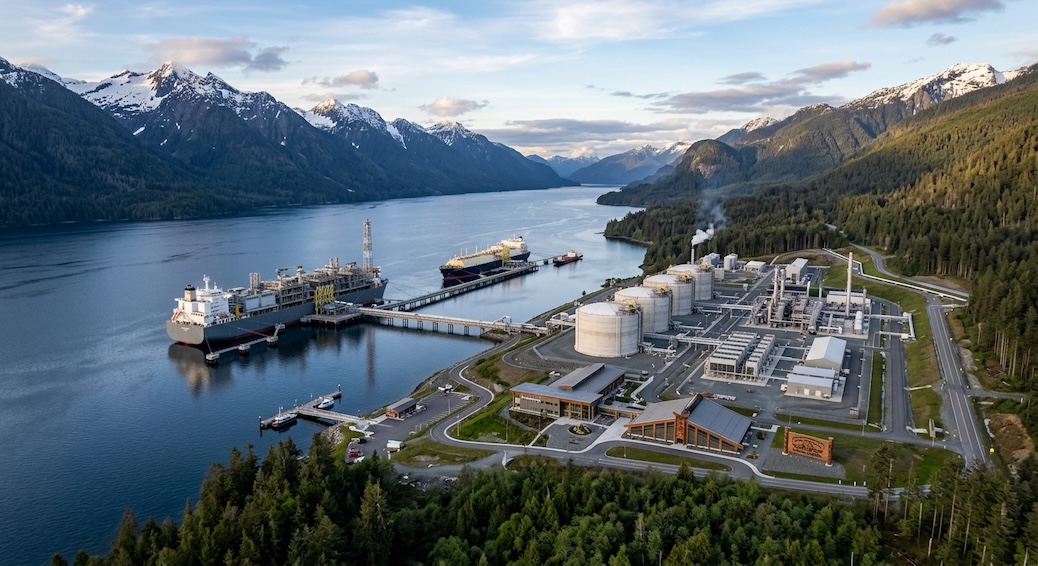
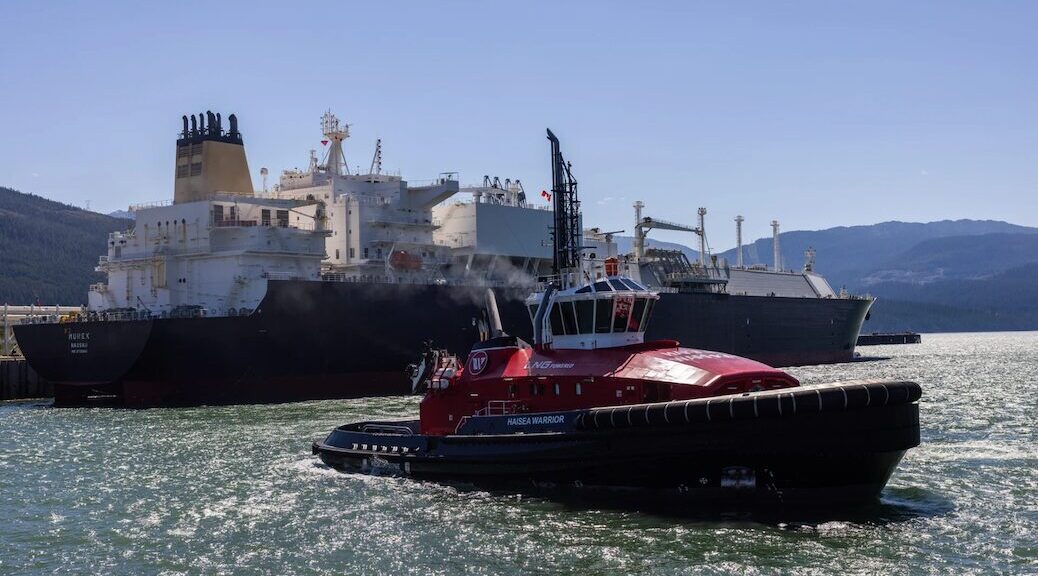
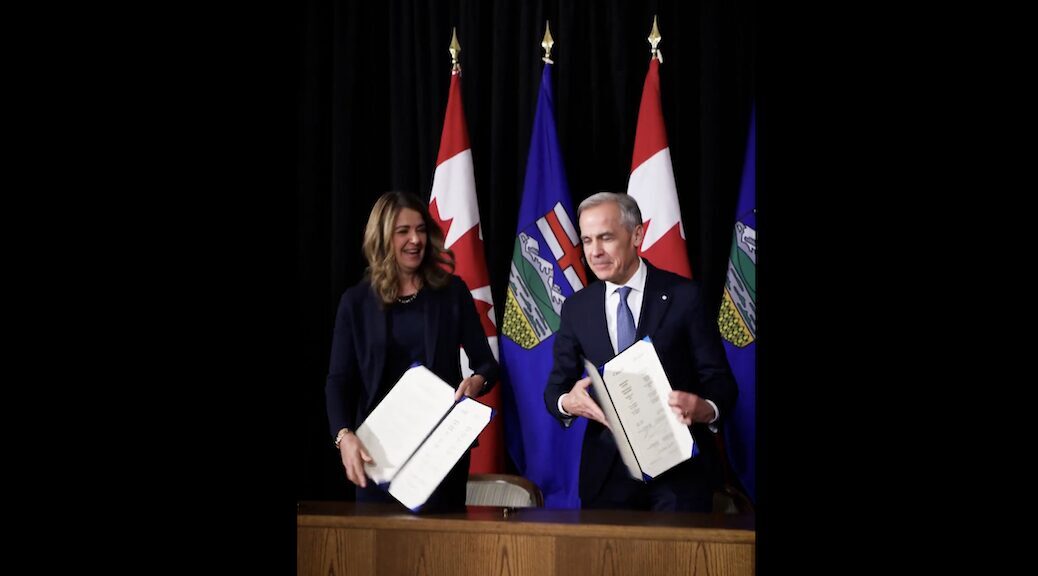
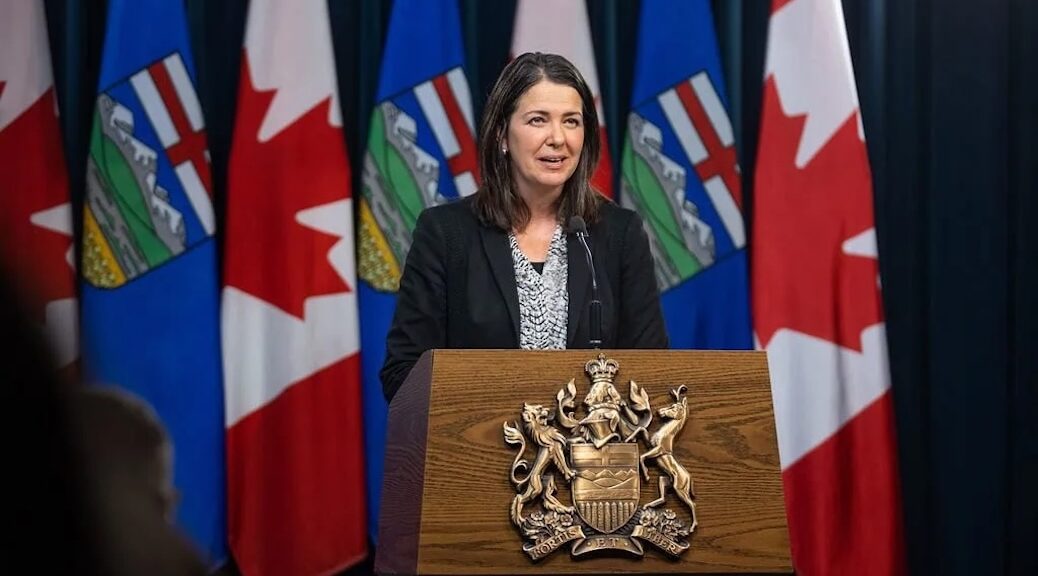
There have been a lot of concerns that the MOU with Alberta represents a step backward when it comes to reducing climate-change-causing emissions from big industry and advancing clean energy. In this morning’s interview, Jennifer Lash, who was both a senior adviser at Environment and Climate Change Canada and a Liberal candidate in the last election, shares her perspective on these issues.
Shortly after the radio version of this story first aired, Carrie Saxefrage from the Cortes Island Climate Action Network emailed, “Ten years ago, Bank of England Governor Mark Carney gave a speech in which he said the world must turn risk into opportunity by building new markets in climate transition and green finance. Last week, Prime Minister Carney just backed down before the oil industry bullies who are pushing our shared Earth further toward mass extinction. The new Mark Carney may survive to fight another day, but how much of our money will he have thrown away, or locked into climate destruction? What and who will be left to save? “
“Canada needs the Mark Carney of ten years ago, the leader who is eager to use his political capital to persuade Canada that our taxes and regulations must, with deliberate speed, transition our nation toward stability and away from fossil fuels.”
May Thaysen added, “The Cortes climate action network is here to build a home base for the people power we need to stop the pollution that is threatening our lives and livelihoods – that includes political pressure on the Prime Minister to force him to do the right things. Reach out at [email protected].”
Jennifer Lash explained, “I went through a bit of an existential crisis when the MOU was announced. That was a hard moment for me. I’ve spent many years arguing against pipelines and arguing for carbon pricing, but I had to step out of the old way I was looking at climate. I had to step into a new way of looking at it, one that took more into consideration the current global crisis we’re in and the political situation.”
Continue reading Jennifer Lash on Mark Carney, the MOU and Canada’s low carbon future →