Across the globe, the accelerating loss of biodiversity is sounding alarms among scientists, conservationists, and communities that recognize nature as more than scenery—it is the living fabric of our survival. The United Nations warns we are in the midst of an extinction crisis “at least tens to hundreds of times faster than the natural process of extinctions.”
In Canada, where biodiversity is heralded as a national treasure, action is falling gravely short—and British Columbia is a prime example. Despite being the most biologically diverse province in the country, B.C. still lacks legislation specifically designed to protect species at risk.
According to the United Nations, global diversity loss is one of the world’s most pressing emergencies. “Intense human activities, such as land-use change, overexploitation, climate change, pollution and the introduction of invasive species, is causing an extinction acceleration that is at least tens to hundreds of times faster than the natural process of extinctions.” More than 400 vertebrate species have been lost over the past 100 years. The populations of close to half the species listed by the Convention on the Conservation of Migratory Species of Wild Animals ‘are showing population declines’ and 97% of the fish species are ‘threatened with extinction.’
In the foreword, Briony Penn wrote, “If you’ve picked up this book, chances are that you’ve fallen in love with the islands in the Salish Sea. You might have wondered how the heck they’ve retained their natural beauty against the hostile tsunami of contemporary clear-cuts, cookie cutter suburbs, and mindless malls that are encroaching elsewhere.”
Briony talks about the collective efforts of thousands of people over generations that have actually been working to maintain the beauty of the islands.
Sheila’s book documents the last 30 years of people (voices in the islands) who have been working at conservation. She includes a chapter on Cortes, so we’re in there with the best of them! I encourage everybody to pick her book up and have a read to see what the island community of conservationists have been doing.
Map of the Children’s Forest
The most exciting conservation story on Cortes today is definitely the Children’s Forest! This is the 624 acres of forest lands that stretch all the way from the Carrington Bay Road trailhead, east across Carrington Lagoon to Goat Mountain, just on the northern shore of Blue Jay Lake. These are lands owned by Island Timberlands. It’s part of their privately managed forest land base on Cortes Island.
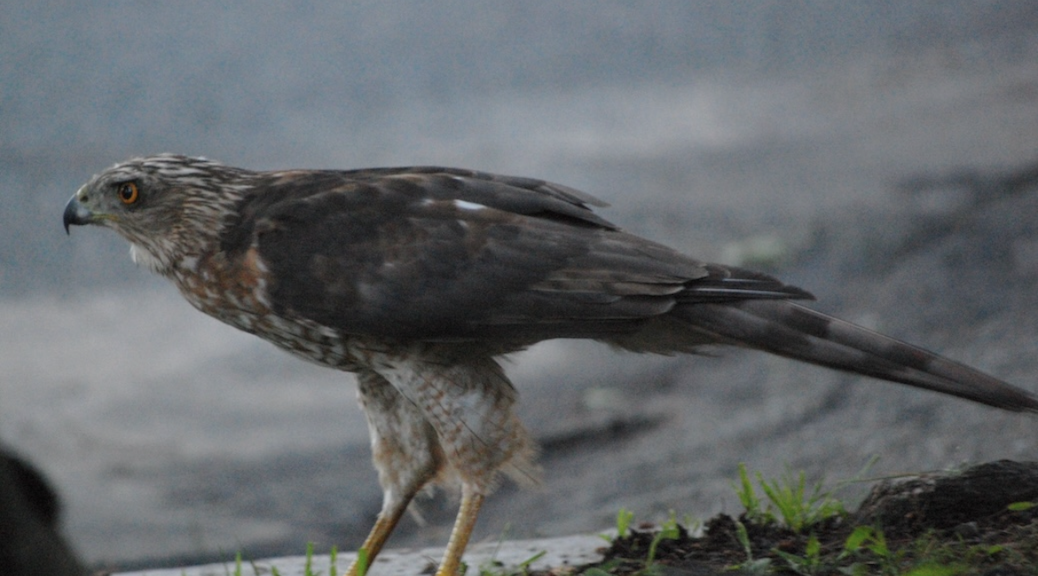
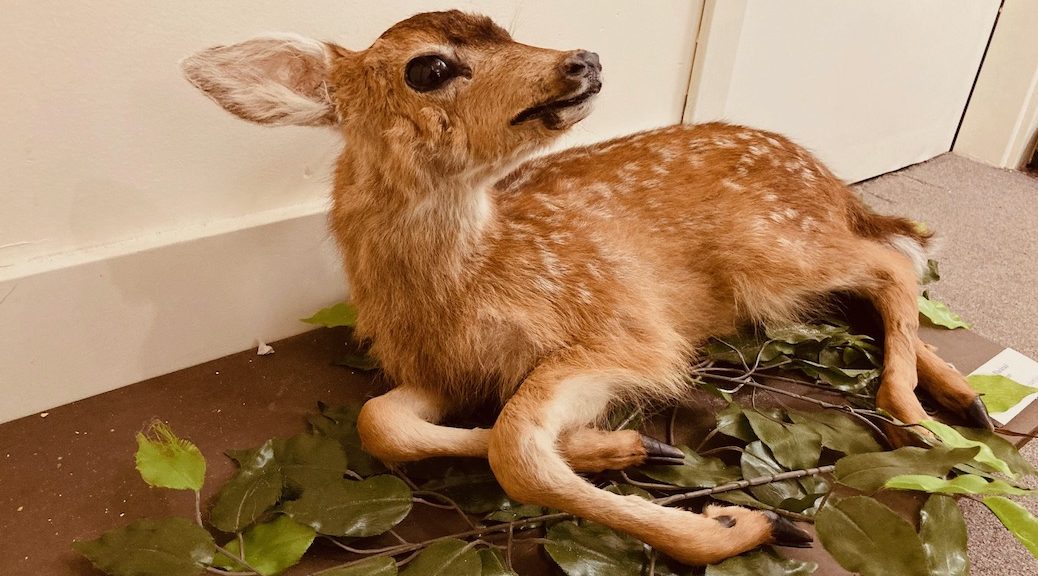
Laurel Bohart has volunteered her time to mount or prepare the study skins of 100 birds, fish and mammals for the Cortes Island Museum. She is a member of the Board and one of the co-curators of Wild Cortes in the Linnaea Farm Education Centre. Bohart is also a professional taxidermist, whose interest can be traced back to her parent’s missionary years in Nigeria during the mid 1960s.
The first words she used to describe taxidermy were, “It’s fun.”
To which she added, “It’s a form of sculpture when you mount a bird or a mammal. It’s better than a photograph, which is two dimensional. These are three dimensional.”