The algae blooms that began appearing in Hague and Gunflint Lakes in 2014 signaled a looming ecological crisis on Cortes Island. Fueled by excessive nutrient runoff—particularly phosphorus from septic systems, runoff from gardens, farms, and soils and sediments from eroding ditches—these blooms posed a serious threat to water quality and lake life. Recognizing the urgency, the Friends of Cortes Island (FOCI) launched a lake-monitoring program and, through years of data collection and expert analysis, identified wetland restoration as a key solution. That’s where the Dillon Creek Wetland Restoration Project began.
In the foreword, Briony Penn wrote, “If you’ve picked up this book, chances are that you’ve fallen in love with the islands in the Salish Sea. You might have wondered how the heck they’ve retained their natural beauty against the hostile tsunami of contemporary clear-cuts, cookie cutter suburbs, and mindless malls that are encroaching elsewhere.”
Briony talks about the collective efforts of thousands of people over generations that have actually been working to maintain the beauty of the islands.
Sheila’s book documents the last 30 years of people (voices in the islands) who have been working at conservation. She includes a chapter on Cortes, so we’re in there with the best of them! I encourage everybody to pick her book up and have a read to see what the island community of conservationists have been doing.
Map of the Children’s Forest
The most exciting conservation story on Cortes today is definitely the Children’s Forest! This is the 624 acres of forest lands that stretch all the way from the Carrington Bay Road trailhead, east across Carrington Lagoon to Goat Mountain, just on the northern shore of Blue Jay Lake. These are lands owned by Island Timberlands. It’s part of their privately managed forest land base on Cortes Island.
We are writing to express our deep concerns regarding the improvement of an airstrip on Cortes Island. This development is likely to lead to the increased use of private aircraft, which are significant emitters of CO2 and other pollutants. At a time when global emissions need to be drastically reduced, encouraging luxury emissions like private air travel is detrimental to our planet. Limiting these unnecessary emissions is crucial for supporting the billions of living creatures – human and otherwise – affected by climate change and preventing further environmental degradation.
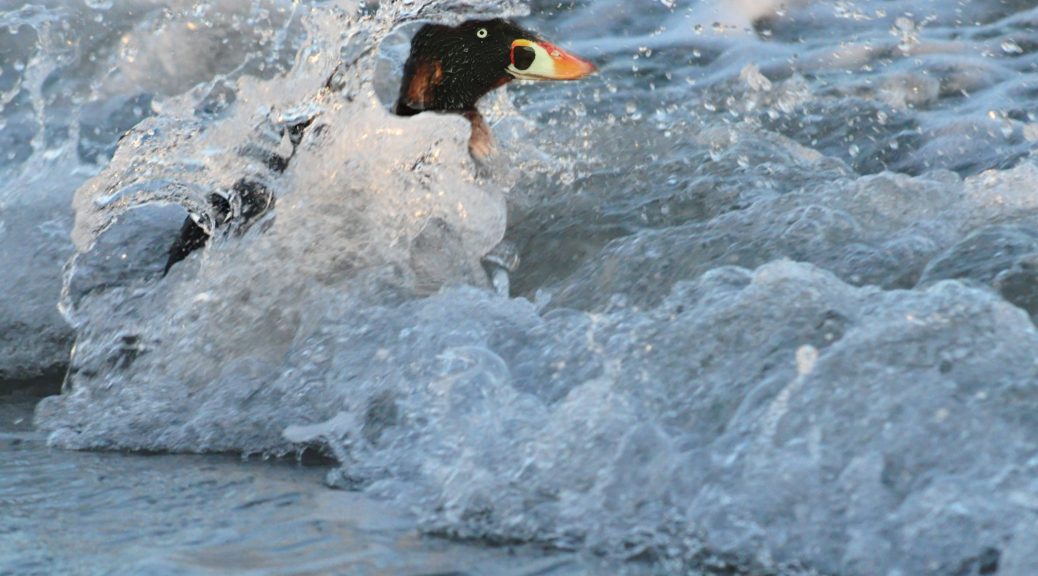
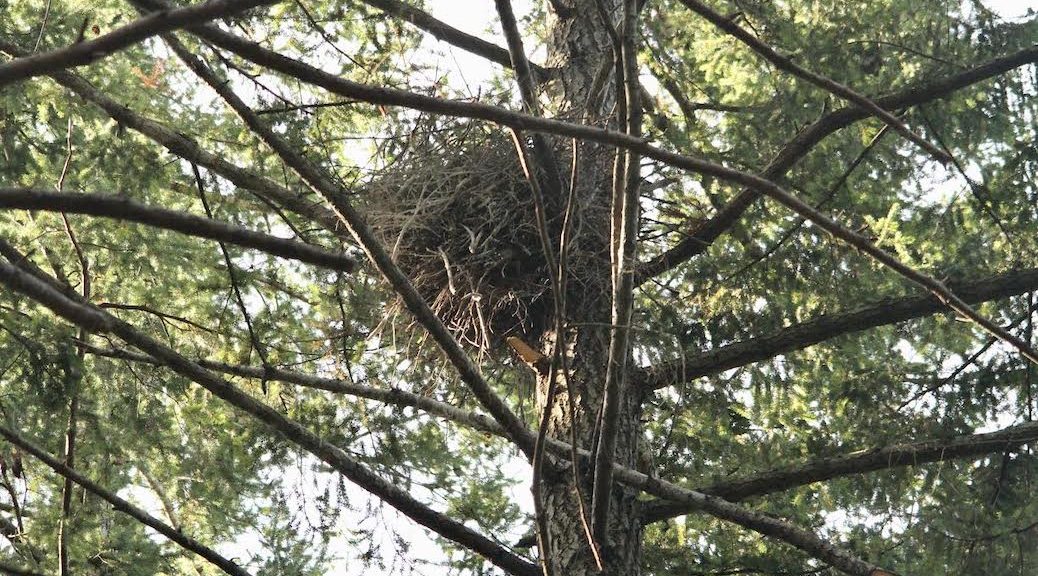
The Cortes Island Museum has been sponsoring two birding events every year for the past two decades.* 2,873 birds were seen during the 2023 Christmas Bird Count, but this number would have been much higher if there were more participants.
“We can only go to a certain number of places where we know there will be birds, and that’s mostly along the coastline,” explained Laurel Bohart, a keen birder as well as co-curator of Wild Cortes.
“FOCI has been interested in Species at Risk here on Cortes since we started. We have a section on our website about Species at Risk. You can go look them up. We love to engage the community. Each year, we put a spotlight on some Species at Risk to highlight them and bring awareness to the community. said Manuel Perdisa, Summer Intern with FOCI.