All posts by Roy Hales

Tl’emtl’ems Left Squirrel Cove

By Roy L Hales

Its almost 550 km from Squirrel Cove, on Cortes Island, to Puyallup, Washington by car, but centuries by canoe. In 1884 the Canadian Government joined in a conspiracy to destroy the canoe traffic that had been plying coastal waters, from Alaska to California, since the beginnings of oral tradition.  First Nations people were restricted to their reserves and had had to obtain permission to leave. The reawakening started almost 30 years ago, in what has since become an annual event.  A different nation hosts the gathering every year and this summer the gathering is at Puyallup. The Klahoose canoe Tl’emtl’ems left Squirrel Cove at 10 AM this morning. 

Continue reading Tl’emtl’ems Left Squirrel Cove

Stop Recreational Boaters From Polluting Cortes Islands Protected Areas

There are good reasons that boaters are not allowed to dump chemicals, sewage and other debris in Carrington Bay, Cortes Bay, Gorge Harbour, Squirrel Cove, or Manson’s Landing. “[Cortes Island] has the best oysters in the area, [possibly] because it is supposed to have such pristine clean water,” says Julia Rendall, President of the 13 member Bee Islets Growers Corporation. She explained that violations “could close us down and if we are closed down I think we have to have three tests, three weeks in a row, clear. So it could, in theory, close you down for about a month.” Cortes Island’s unique environmental features resulted in the creation of  several marine parks. Contamination is a concern for all islanders, whether they are shellfish harvesters or not. These areas are currently designated as “No Discharge Zones” under federal regulations. Never-the-less, violations periodically do occur and a recent incident illustrates the difficulties of trying to stop recreational boaters from polluting Cortes Islands protected areas.

Continue reading Stop Recreational Boaters From Polluting Cortes Islands Protected Areas

The Trail From Pre-contact Toba Inlet

Originally published on Cortes Radio.ca, as part of the Deep Roots Initiative, Season Two.

Toba Inlet is a remote fjord roughly 180 kilometres north of Vancouver. It is geographically closer to Campbell River, though the trip is an hour and 45 minutes by water taxi. A recently discovered arborglyph, believed to be a trail marker, suggests this area was not so isolated in pre-colonial days. Deep Roots story producer Roy L Hales interviews Michelle Robinson and Ken Hanuse, from the Klahoose First Nation, and local historian Judith Williams about a trail connecting pre-contact Toba Inlet to the rest of British Columbia.

Continue reading The Trail From Pre-contact Toba Inlet

Meinsje: Living Between Two Worlds

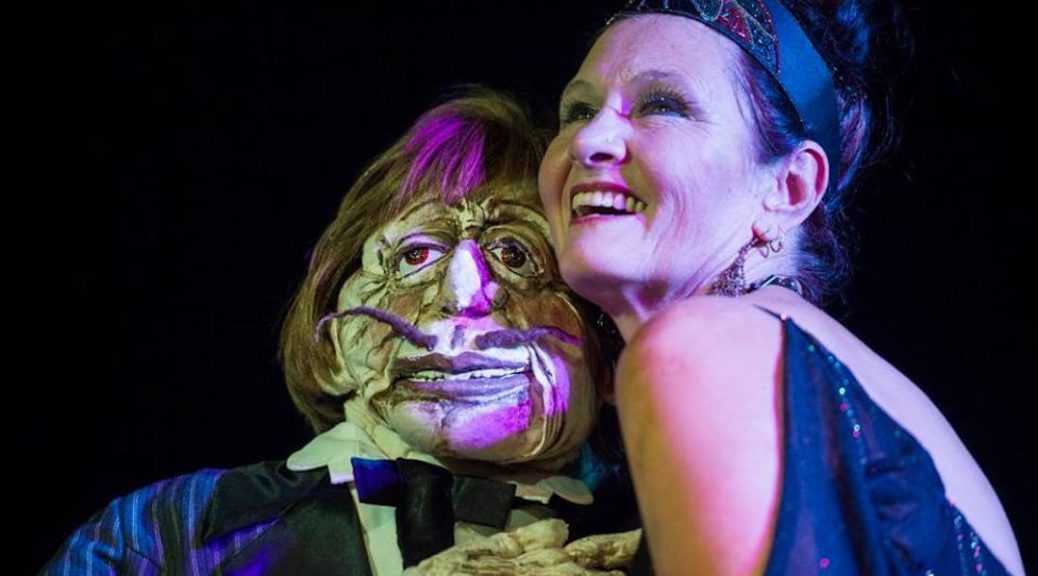
From the beginning, Meinsje was been a prominent voice in Cortes Island’s artistic community. She taught art at the Linnaea school for fifteen years and is a director of the Old School House Art Gallery. Meinsje’s “Dream Caravan” dance troop, her performances at Cortes Island Lip Syncs and Cabarets, puppetry and paintings continue to captivate viewers. In this morning’s interview, Meinsje describes what it was like living between two worlds.

Continue reading Meinsje: Living Between Two Worlds

Awaken the Canoes

Originally published on Cortes Radio,ca, as part of the Deep Roots Initiative, Season Two.

What was the role of the canoe in pre-contact indigenous culture? What caused its decline? And how are canoe journeys helping the Klahoose and her sister nations rediscover their past? In this episode, producer Roy Hales asks how they awaken the canoes.

Continue reading Awaken the Canoes