Tag Archives: Klahoose History

The origins of Cortes Island’s Shellfish Industry

In the most recent of her interviews about Cortes History, Lynne Jordan, former President of the Cortes Island Museum, traces one of the Island’s foremost industries from its pre-contact beginnings up until recent times.  

Lynne Jordan: “ The First Nations cultivated clam gardens on this coast for 3,000 to 5,000 years, maybe even longer. One on Quadra Island was recently dated at being around 3,500 years old.”

Continue reading The origins of Cortes Island’s Shellfish Industry
Birth of Whaletown as a community abt. 1885-1914

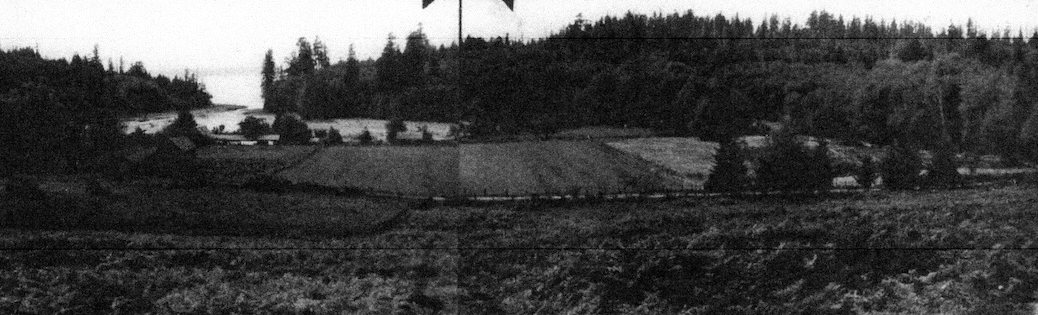
Whaletown may get its name from an old whaling station, but Europeans really did not settle in the area for another 15 years or so. In today’s program Lynne Jordan, former President of the Cortes Island Museum, traces the modern community back to a logger named Moses Ireland.

First Nations people were using Whaletown Bay before that and a fish trap is believed to have once stretched across the entrance of the lagoon.

The whalers came for 18 months, in 1869 and 70.

“It wasn’t very many years after the whaling station left, in the mid 1880s,  that Moses Ireland moved into the area as a logger and set up camp where the whaling station had been,” explained Jordan.

Continue reading Birth of Whaletown as a community abt. 1885-1914

Precolonial Forest Gardens and Orchards

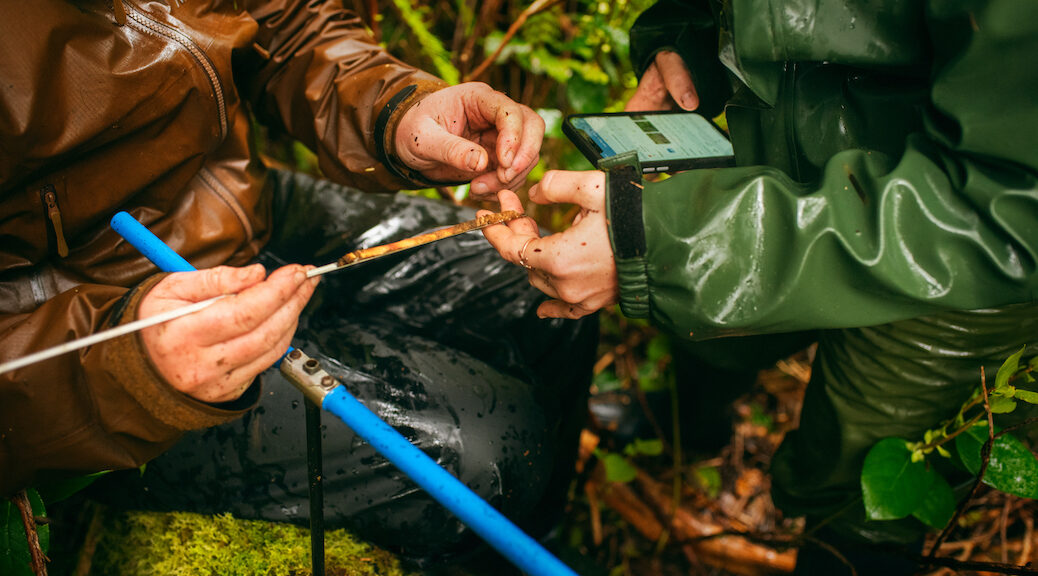
Dr Chelsey Geralda Armstrong is an associate professor from SFU and the lead author of a paper, about the ancient forest gardens in Nuu-chah-nulth territory, published in the Journal of Archaeological Science. While individual species do grow in the wild, forest gardens and orchards exhibit a sophisticated understanding of cultivation and are found adjacent to ancient village sites. In a related study, Armstrong and her colleagues wrote that forest gardens largely disappeared around the time of the smallpox epidemic that swept through B.C’s Indigenous communities more than 150 years ago.

Continue reading Precolonial Forest Gardens and Orchards

Bringing Klahoose ancestors home

Canada’s National Observer, Local Journalism Initiative Reporter

The Klahoose Nation’s traditional winter village lies at the head of Toba Inlet on B.C.’s west coast along the southernmost flank of the Great Bear Rainforest.

Nearby, alongside the Tahumming River, is an old cemetery sparsely covered with wooden or stone markers, mainly active while the Klahoose still lived in the Toba.

But some markers sit at the head of holed out graves, fenced off with care despite being empty.

Continue reading Bringing Klahoose ancestors home

The Arborglyph That Survived

Originally published on Cortes Radio.ca, as part of the Deep Roots Initiative, Season Two

British Columbia is known for its totem poles. Examples of a less known artwork have surfaced in more recent years. Aborglyphs are carved into living trees. One was discovered a few years ago, two hundred kilometres north of Vancouver in the midst of a clearcut in Toba Inlet. The Klahoose Arborglyh has been moved to the band’s multipurpose building in Squirrel Cove, Cortes Island. Deep Roots story producer Roy L Hales interviewed Michelle Robinson and Ken Hanuse, from the Klahoose First Nation, and local historian Judith Williams about the arborglyph that survived into modern times.

Continue reading The Arborglyph That Survived